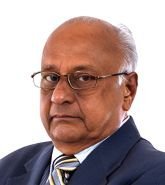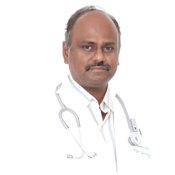
 Apollo Hospitals, Greams Road, Chennai – India

About Dr. P. Rajkumar
Dr. P. Rajkumar Poovananathan is a highly esteemed Surgical Oncologist with over 26 years of comprehensive medical experience, including more than 18 years dedicated exclusively to surgical oncology. He specializes in the surgical management of breast, gastrointestinal, gynecological, and geriatric cancers, with a strong focus on function-preserving procedures such as sphincter-sparing surgeries. A double gold medalist in his surgical training, he is recognized for his patient-centric approach, integrating advanced oncological techniques with compassionate, individualized care tailored to each patient’s unique physiological needs.
Qualifications & Credentials
- MBBS, Coimbatore Medical College (1998)
- MS in General Surgery, Coimbatore Medical College (2002)
- MCh in Surgical Oncology, The Tamil Nadu Dr. M.G.R. Medical University (2006)
- DNB in General Surgery, National Board of Examinations
- DNB in Surgical Oncology, National Board of Examinations
- Specialized Training in Geriatric Oncology and Function-Preserving Cancer Surgeries
- Board Certified in Surgical Oncology
- EACCME Certification for Neuroendocrine Tumours
- Registered Member, Indian Medical Association (IMA)
Areas of Expertise
- Breast Cancer
- Gastrointestinal Cancers (Stomach, Colon, Rectum, Liver, Pancreas)
- Gynaecological Cancers (Ovarian, Uterine, Cervical)
- Geriatric Cancers (Oncology for patients aged 65+)
- Head and Neck Tumours
- Neuroendocrine Tumours
- Comprehensive Cancer Resection Surgery
- Sphincter-Sparing Surgery for Rectal Cancer
- Breast-Conserving Surgery
- Parotid Surgery
- Splenectomy
- Advanced Minimally Invasive Oncological Procedures
List of Disease and Treatment for which Dr. P. Rajkumar can be consulted
Professional Experience
Senior Consultant Surgical Oncologist, Integrated Cancer Care Group (ICCG), Chennai
Consultant Surgical Oncologist, Apollo Cancer Centre, Teynampet, Chennai
Consultant Surgical Oncologist, Dr. Kamakshi Memorial Hospital, Pallikaranai, Chennai
Consultant Surgical Oncologist & Head of Geriatric Oncology, GeriCare Hospitals, Chennai
Past Experience- Consultant Surgical Oncologist, Various Tertiary Care Hospitals, Chennai (2007–Present)
- Assistant Professor of Surgical Oncology, Cancer Institute (WIA), Adyar, Chennai (2006–2007)
- Assistant Professor, Department of Surgery, PSG College of Medical Sciences (2002–2003)
- Medical Officer, Department of Emergency, KG Hospitals, Coimbatore (1998–1999)
Academic & Research Contributions
- Thirunavukkarasu, K., Rajkumar, P., Selvaraj, S., Suganya, R., Kesavan, M., Gunasekaran, S., & Kumaresan, S. (2018). Vibrational (FT-IR and FT-Raman), electronic (UV–Vis), NMR (1H and 13C) spectra and molecular docking analyses of anticancer molecule 4-hydroxy-3-methoxycinnamaldehyde. Journal of Molecular Structure, 1173, 57-68.
- Poovananathan, R. (2016). Impact of sphincter-sparing surgery for rectal cancer on bowel function and quality of life. Proceedings of the National Conference of Indian Association of Surgical Oncology (NATCON).
Awards & Recognitions
- Prof Snekalatha Gold Medal for the Best Outgoing Student in MCh – Surgical Oncology, The Tamil Nadu Dr. M.G.R. Medical University.
- Prof KRK Gold Medal for the Best Outgoing Student in the Department of Surgery, Coimbatore Medical College (2002).
- Founding Member of the Integrated Cancer Care Group (ICCG).
Frequently Asked Questions
- What is sphincter-sparing surgery for rectal cancer? Sphincter-sparing surgery is an advanced oncological procedure designed to remove rectal tumors while preserving the anal sphincter. This allows patients to maintain normal bowel function and avoid a permanent colostomy bag, significantly improving their post-operative quality of life.
- Am I a candidate for breast-conserving surgery? Breast-conserving surgery (lumpectomy) is often recommended for early-stage breast cancers where the tumor is relatively small compared to the breast size. The goal is to remove the cancer with clear margins while preserving the natural appearance of the breast. A thorough clinical evaluation and imaging are required to determine your eligibility.
- How is geriatric oncology different from standard cancer care? Geriatric oncology focuses specifically on treating cancer in older adults (typically 65 and above). It takes into account age-related physiological changes, pre-existing medical conditions, and the patient's overall frailty to tailor a treatment plan that maximizes efficacy while minimizing harsh side effects and preserving independence.
- What should I expect during my recovery from major gastrointestinal cancer surgery? Recovery depends on the specific procedure but generally involves a hospital stay of several days to monitor bowel function and manage pain. You will gradually transition from a liquid to a solid diet. Long-term management includes regular follow-up scans, nutritional counseling, and a phased return to normal physical activities.
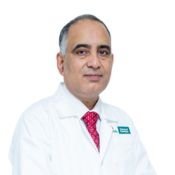
 Apollo Cancer Hospital, Chennai - India