Best Lymphoma Treatment Doctors in India

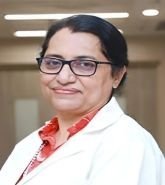
Dr. Nalini Rao

Dr. Bhawana Saddy Awasthy


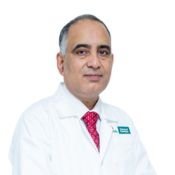
Dr. Gurdeep S. Sethi

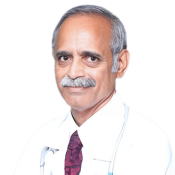
Dr. A N Vaidhyswaran

Dr. Santanu Chaudhuri

Dr. S. M. Shuaib Zaidi

Dr. S. Jayalakshmi


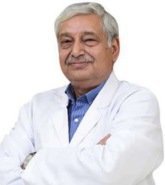
Dr. Dinesh Kumar Mangal

Dr. Indu Bansal Aggarwal

Dr. Ganesh K Jadhav

Dr. Manish Singhal

Dr Subir Gangopadhyay

Dr. Ramandeep Singh Arora

Dr. Mahadev P

Dr. (Prof) Bellarmine Vincent Lawrence


Dr. Raghuram C. P.

Dr. M S Belliappa
What Patients with Lymphoma Worry About Most
Lymphoma covers many subtypes with very different outlooks, and patients often arrive confused after their first oncologist visit. The biggest questions are whether the lymphoma is Hodgkin or non-Hodgkin, whether it is aggressive or indolent, whether a stem cell transplant will be needed, and whether chimeric antigen receptor T-cell therapy is an option for relapsed disease. Fertility, heart and lung side effects, and the risk of secondary cancers from chemotherapy and radiation are also constant concerns, especially in young patients.
How Lymphoma Is Diagnosed
An excisional lymph node biopsy is preferred over needle biopsy because architecture matters for subtyping. Immunohistochemistry, flow cytometry, and molecular studies identify the exact subtype: diffuse large B-cell lymphoma, follicular lymphoma, mantle cell lymphoma, marginal zone lymphoma, peripheral T-cell lymphoma, and many others. Staging uses positron emission tomography combined with computed tomography, bone marrow biopsy in selected cases, and lumbar puncture for high-risk subtypes. Echocardiogram and pulmonary function tests are done before anthracycline or bleomycin-based treatment.
Treatment Options for Lymphoma in India
Diffuse large B-cell lymphoma is treated with rituximab combined with cyclophosphamide, doxorubicin, vincristine, and prednisolone (R-CHOP) for six cycles, curing around sixty to seventy percent of patients. Follicular lymphoma is treated with rituximab plus chemotherapy or rituximab maintenance for indolent disease. Mantle cell lymphoma needs more intensive regimens with cytarabine and often autologous stem cell transplant. Hodgkin lymphoma uses doxorubicin, bleomycin, vinblastine, and dacarbazine (ABVD) with high cure rates. Relapsed disease may need salvage chemotherapy followed by autologous stem cell transplant, and chimeric antigen receptor T-cell therapy is now available for relapsed or refractory diffuse large B-cell lymphoma at select Indian centres. Brentuximab vedotin and checkpoint inhibitors like nivolumab and pembrolizumab are used in Hodgkin and selected non-Hodgkin lymphomas. Fortis Memorial Research Institute, Medanta, BLK-Max, Apollo, Tata Memorial, and Manipal run high-volume lymphoma programmes.
Recovery, Success Rates, and Follow-Up
Hodgkin lymphoma cure rates exceed eighty-five percent for early-stage and seventy percent for advanced-stage disease. Diffuse large B-cell lymphoma cures sixty to seventy percent overall, with chimeric antigen receptor T-cell therapy salvaging another thirty to forty percent of relapses. Follicular and other indolent lymphomas are often managed as chronic diseases over many years. Each chemotherapy cycle is a day-care or short admission every three weeks. Autologous stem cell transplant needs three to four weeks in hospital. Follow-up runs for at least five years.
How to Choose the Right Doctor
Look for a hemato-oncologist with focused lymphoma practice and access to autologous stem cell transplant and chimeric antigen receptor T-cell therapy. Ask how many lymphoma cases the doctor treats yearly, whether positron emission tomography is used for staging and response assessment, whether the centre has a lymphoma tumour board, and whether targeted agents like brentuximab vedotin, ibrutinib, venetoclax, and immune checkpoint inhibitors are available.
Support for International Patients
Lymphoma treatment in India costs a fraction of what it costs in the United Kingdom, United States, or Middle East, including autologous stem cell transplant and chimeric antigen receptor T-cell therapy. Cancer Rounds arranges the medical visa invitation letter, airport pickup, accommodation near the treatment hospital, multilingual support in eleven plus languages, and full coordination with the lymphoma unit. Patients from Nigeria, Bangladesh, Oman, Kuwait, Qatar, Kenya, Uganda, Tanzania, Ghana, Ethiopia, Cameroon, Mauritius, Mozambique, Senegal, Zimbabwe, Zambia, Guinea, Liberia, Madagascar, South Sudan, Qatar, Chad, Sierra Leone, Congo, Iraq & Uzbekistan, and other countries travel to India regularly for lymphoma care.
Frequently Asked Questions
Is lymphoma curable?
Yes, for most aggressive subtypes. Hodgkin lymphoma cure rates exceed eighty-five percent. Diffuse large B-cell lymphoma cures sixty to seventy percent with first-line treatment. Indolent lymphomas are usually controlled long term rather than cured.
What is chimeric antigen receptor T-cell therapy?
It is a personalised immunotherapy where the patient’s own T-cells are engineered to attack lymphoma cells. It is used for relapsed or refractory diffuse large B-cell lymphoma and selected other subtypes, and is now available at major Indian centres.
Will I lose fertility?
Many chemotherapy regimens carry fertility risk, especially in young patients. Sperm banking, oocyte cryopreservation, and ovarian tissue preservation should be discussed before treatment. Some regimens like ABVD have a relatively lower impact on fertility.
Do all lymphomas need a transplant?
No. Most patients are cured with chemotherapy alone. Autologous stem cell transplant is used for relapsed aggressive lymphomas, mantle cell lymphoma in first remission, and selected high-risk cases.
What is positron emission tomography used for?
Positron emission tomography combined with computed tomography is the standard for staging lymphoma and for checking response after treatment. A negative scan at the end of treatment is a strong predictor of long-term cure.
Can lymphoma return after cure?
Yes, but the risk drops sharply after two years and is small after five years of remission. Follow-up scans and blood tests catch any recurrence early when salvage treatment is still effective.