Best Soft Tissue Sarcoma Treatment Doctors in India

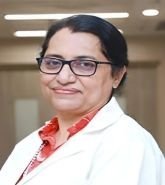
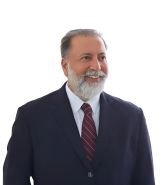
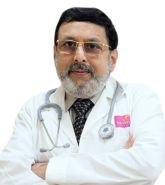
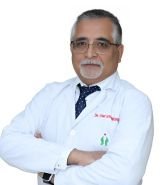
Dr. Prabhat Gupta

Dr. Rudra Prasad Acharya


Dr. Bhawana Saddy Awasthy

Dr. Gurdeep S. Sethi

Dr. A N Vaidhyswaran

Dr. Ravi Kant Arora

Dr. Santanu Chaudhuri

Dr. S. Jayalakshmi

Dr. Dinesh Kumar Mangal

Dr. Indu Bansal Aggarwal


Dr. Ganesh K Jadhav

Dr. Manish Singhal

Dr. Samir Grover

Dr. Ravikant Arora

Dr Subir Gangopadhyay

Dr. Ramandeep Singh Arora

Dr. Mahadev P

Dr. (Prof) Bellarmine Vincent Lawrence
What Patients with Soft Tissue Sarcoma Worry About Most
A diagnosis of soft tissue sarcoma raises hard questions in the first week. Patients ask whether the limb can be saved, whether surgery alone is enough, whether radiation will affect day-to-day movement, and whether the cancer will come back in the lung or somewhere else. Sarcomas are rare and aggressive, and outcomes depend heavily on where the patient is treated. A high-volume sarcoma centre with a multidisciplinary tumour board makes a real difference in both survival and limb preservation.
How Soft Tissue Sarcoma Is Diagnosed
Diagnosis begins with magnetic resonance imaging of the primary site to assess tumour size, depth, and relationship to nerves and vessels. A core needle biopsy is preferred over excisional biopsy because it preserves surgical planning. Histopathology identifies the subtype (liposarcoma, leiomyosarcoma, synovial sarcoma, undifferentiated pleomorphic sarcoma, gastrointestinal stromal tumour, and others) and grade. Staging includes computed tomography of the chest, since the lungs are the most common site of metastasis. Specific subtypes may need additional molecular testing.
Treatment Options for Soft Tissue Sarcoma in India
Wide local excision with negative margins is the cornerstone of treatment. For extremity sarcomas, limb-sparing surgery is now standard, with amputation reserved for cases where critical structures cannot be preserved. Pre-operative or post-operative radiation reduces local recurrence for high-grade tumours larger than five centimetres. Chemotherapy with doxorubicin and ifosfamide is used for high-risk or metastatic disease. Gastrointestinal stromal tumour responds to targeted therapy with imatinib and sunitinib. Pazopanib and trabectedin are options for advanced soft tissue sarcoma after first-line chemotherapy. Tata Memorial, Fortis Memorial Research Institute, Apollo, Medanta, BLK-Max, and Manipal run dedicated sarcoma units with orthopaedic oncology, surgical oncology, medical oncology, radiation oncology, and reconstructive surgery on the same team.
Recovery, Success Rates, and Follow-Up
Five-year survival ranges from seventy to eighty percent for localised low-grade tumours, fifty to sixty percent for high-grade localised disease, and fifteen to twenty percent for metastatic disease. Limb-sparing surgery preserves function in over ninety percent of extremity cases at experienced centres. Hospital stay for primary surgery is one to two weeks. Radiation runs for five to six weeks. Chemotherapy when indicated runs for four to six cycles. Follow-up includes physical examination, magnetic resonance imaging of the primary site, and computed tomography of the chest every three to four months for two years, then every six months until year five.
How to Choose the Right Doctor
Look for a surgical oncologist or orthopaedic oncologist running a dedicated sarcoma practice with at least one hundred sarcoma surgeries per year. Ask whether the centre has a sarcoma-specific multidisciplinary tumour board, how often limb-sparing surgery is achieved, whether the radiation oncology team uses intensity-modulated radiation therapy or proton therapy, and whether the medical oncology team offers targeted therapy and clinical trials for advanced disease.
Support for International Patients
Soft tissue sarcoma treatment in India costs a fraction of what it costs in the United Kingdom, United States, or Middle East. Cancer Rounds arranges the medical visa invitation letter, airport pickup, accommodation near the treatment hospital, multilingual support in eleven plus languages, and full coordination with the sarcoma unit. Patients from Nigeria, Bangladesh, Oman, Kuwait, Qatar, Kenya, Uganda, Tanzania, Ghana, Ethiopia, Cameroon, Mauritius, Mozambique, Senegal, Zimbabwe, Zambia, Guinea, Liberia, Madagascar, South Sudan, Qatar, Chad, Sierra Leone, Congo, Iraq & Uzbekistan, and other countries travel to India regularly for limb-sparing surgery and full sarcoma care.
Frequently Asked Questions
Will I lose my limb?
In over ninety percent of extremity sarcoma cases treated at experienced Indian centres, the limb is preserved through wide excision with reconstruction. Amputation is reserved for cases where major nerves and vessels cannot be saved.
Is chemotherapy always needed?
No. Low-grade and small high-grade sarcomas often need only surgery, sometimes with radiation. Chemotherapy is used for large high-grade tumours, chemosensitive subtypes, and metastatic disease.
What is the role of radiation?
Radiation reduces local recurrence by sixty to seventy percent for high-grade and large soft tissue sarcomas. It can be given before or after surgery, and modern intensity-modulated radiation therapy keeps side effects manageable.
How is gastrointestinal stromal tumour different?
Gastrointestinal stromal tumour is a distinct soft tissue sarcoma of the digestive tract that responds well to targeted therapy with imatinib and sunitinib. It is treated by surgical oncologists with input from medical oncology, and many patients live long lives on tablet therapy alone.
Where does sarcoma recur?
Most recurrences are in the lungs, followed by local recurrence at the surgical site. Regular computed tomography of the chest and magnetic resonance imaging of the primary site for at least five years catches recurrence early when treatment is still effective.
Can I travel home between cycles?
Yes, in most cases. After the main surgery and recovery, international patients often return home and come back for radiation or chemotherapy cycles. Cancer Rounds coordinates the travel and treatment schedule.