Hodgkin’s Lymphoma Treatment in India
Hodgkin’s lymphoma is a cancer of the lymphatic system, the network of nodes, vessels, and organs that help your body fight infection. Although the diagnosis can feel overwhelming, the good news is that Hodgkin’s lymphoma is one of the most treatable forms of cancer when caught early. Even in advanced stages, modern treatment gives most patients a real chance at lasting remission. India’s top cancer hospitals offer world-class Hodgkin’s lymphoma treatment, chemotherapy, immunotherapy, and stem cell transplantation at a fraction of Western costs. Every patient receives a personalised plan reviewed by a specialist team. That’s where Cancer Rounds comes in to make your Hodgkin’s lymphoma treatment in India simpler. We connect you with the right hospital, provide a free case review, transparent cost estimates, and handle visa and travel support, guiding you from first inquiry to full recovery.
Cause of Hodgkin’s Lymphoma
Although the exact cause is still unknown, researchers suggest that DNA damage plays a role to a great extent. Some of the other possible causes of Hodgkin’s lymphoma include:
- Epstein-Barr Virus (EBV): A history of glandular fever caused by EBV is one of the strongest known triggers linked to Hodgkin’s lymphoma.
- Weakened Immune System: People with long-term immunosuppressive health issues face a significantly higher risk.
- Family History: Having a sibling with Hodgkin’s lymphoma increases your risk, pointing to a possible genetic factor.
- Age and Gender: Most commonly affects young adults aged 15–35 and is slightly more prevalent in men.
- Genetic Mutation: The disease starts when a lymphocyte develops DNA mutations, preventing it from dying and causing it to multiply abnormally.
Symptoms of Hodgkin’s Lymphoma
- Swollen lymph nodes: Painless lumps in the neck, armpits, or groin are often the first sign.
- Persistent fatigue: Unusual tiredness that does not improve with rest.
- Itchy skin: Generalised itching with no obvious cause or rash.
- Breathlessness: Swollen lymph nodes in the chest can press on the airways, causing a dry cough or difficulty breathing.
Diagnosis of Hodgkin’s Lymphoma
- Physical examination: The doctor checks for swollen lymph nodes in the neck, armpits, and groin, along with signs of an enlarged spleen or liver.
- Blood tests: A complete blood count, and liver and kidney function tests help assess overall health and detect signs of disease activity.
- Lymph node biopsy: A small tissue sample is taken from a swollen lymph node and examined under a microscope to confirm the presence of Reed-Sternberg cells, which are the hallmark of Hodgkin’s lymphoma.
- PET-CT scan: Maps the full extent of the disease throughout the body, showing exactly where active cancer is present and helping to determine the stage.
- Bone marrow biopsy: In advanced cases, a small sample of bone marrow is tested to check whether the cancer has spread beyond the lymphatic system.
Early diagnosis is key; the sooner Hodgkin’s lymphoma is confirmed, the better your chances of a full recovery.
Doctors For Hodgkin Lymphoma

Dr. Rahul Bhargava
Hemato-Oncologist, Stem Cell and BMT Specialist
20+ years of experiencePrincipal Director & Chief
 Fortis Hospital Gurgaon - India
Fortis Hospital Noida – Leading Cancer Care Hospital in Delhi NCR - India


Dr. Vinod Raina
Medical Oncology, Hematology, Bone Marrow & Stem Cell Transplant
40+ years of experienceChairperson, OncoSciences; Executive Director & Head, Medical Oncology & Hematology
Fortis Hospital Gurgaon - India
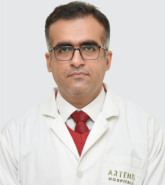
Dr. Gaurav Dixit
Haemato-Oncologist
15+ years of experienceUnit Head, Haemato-Oncology
Artemis Hospital, Gurgaon - India
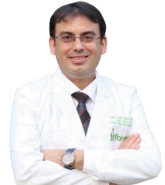
Dr. Vikas Dua
Pediatric Hemato-Oncologist & BMT Specialist
15+ years of experiencePrincipal Director
Fortis Hospital Gurgaon - India

Dr. Satya Prakash Yadav
Pediatric Hematologist
31+ years of experienceDirector
Medanta – The Medicity Hospital, Gurugram - India

Dr. TPR Bharadwaj
Hematologist
52+ years of experienceConsultant
Apollo Hospitals, Greams Road, Chennai - India

Dr. Chezhian Subash
Hematologist
29+ years of experienceHead, Department of Haematology, Haemato‑Oncology & BMT
MIOT International Hospital, Chennai - India
Need More Recommendations ?

Treatment Protocol & Management
Stepwise Management of Hodgkin’s Lymphoma
Each patient’s journey is guided by a structured, evidence-based process. Here is how treatment typically unfolds at a leading Indian cancer centre:
- Initial Haematology-Oncology Consultation: A specialist reviews your symptoms, medical history, and any prior test results. This consultation sets the foundation for your entire treatment pathway.
- Comprehensive Diagnostic Workup: Includes a complete blood count, LDH levels, ESR, liver and kidney function tests, and a detailed physical examination to assess lymph node involvement.
- Staging with PET-CT and Biopsy Review: A PET-CT scan maps the extent of disease throughout the body. A lymph node biopsy confirms the diagnosis and helps distinguish between classical Hodgkin’s lymphoma and other subtypes.
- Molecular and Immunophenotyping Analysis: Pathologists assess the specific cell markers on the cancer cells (including CD30 and CD15) to confirm the subtype and guide the choice of targeted therapy.
- Personalised Treatment Planning by Tumour Board: A multidisciplinary team, including oncologists, radiologists, pathologists, and radiation specialists, reviews your case together and agrees on the most appropriate protocol.
- Active Treatment Phase: Most patients receive the ABVD chemotherapy regimen (Doxorubicin, Bleomycin, Vinblastine, Dacarbazine) as first-line therapy. Advanced or high-risk cases may receive escalated BEACOPP or be started on brentuximab vedotin-based regimens. Radiation therapy is added when indicated. Other treatment options are advised based on the medical evaluation.
- Monitoring and Response Assessment: An interim PET-CT scan is performed after 2 cycles of chemotherapy to measure how well the cancer is responding. Treatment is adjusted based on these results — this is called response-adapted RA therapy.
- Rehabilitation and Follow-up Care: After active treatment ends, patients enter a structured survivorship programme that includes regular monitoring, health checks, and support for returning to normal life.
Latest Treatment Technique for Hodgkin’s Lymphoma
Here are the most commonly used and latest treatment techniques available in India for Hodgkin’s Lymphoma.
Chemotherapy
Anti-cancer drugs like the ABVD regimen are the cornerstone of Hodgkin’s Lymphoma treatment in India. Administered in cycles every 2–3 weeks over 3–6 months, patients benefit from convenient day-care centres supported by oncologists, nurses, nutritionists, and counsellors.
Radiation Therapy
Used alongside chemotherapy, Radiation Therapy directs high-energy beams at affected lymph nodes to destroy remaining cancer cells. India’s top hospitals offer advanced techniques like IMRT, 3D-CRT, and Proton Therapy, significantly reducing the risk of damage to surrounding healthy tissues and organs.
Targeted Therapy & Monoclonal Antibodies
For patients who relapse or don’t respond to standard treatment, India offers targeted therapies like Brentuximab Vedotin and checkpoint inhibitors such as Nivolumab or Pembrolizumab. These drugs empower the immune system to recognise and attack cancer cells, available at leading hospitals in Delhi, Mumbai, Chennai, and Bangalore.
Stem Cell Transplant
When Hodgkin’s Lymphoma returns after initial treatment, an autologous stem cell transplant is recommended. The patient’s healthy stem cells are harvested, high-dose chemotherapy destroys remaining cancer, and the stem cells are reintroduced to rebuild bone marrow. India offers this procedure at world-class facilities with high success rates and affordable costs.
Ideal Candidates & Expected Benefits
The table below outlines common clinical scenarios and staging of Hodgkin’s Lymphoma, and what patients can realistically expect from treatment in India:
| Clinical Scenario | Ideal Candidate Profile | Expected Outcome |
| Early-Stage Hodgkin’s Lymphoma (Stage I–II) | Newly diagnosed patients with limited disease, no bulky nodes, and no B symptoms | High cure rate (85–95%) with 2–4 cycles of ABVD, with or without Radiation. Shorter treatment duration. |
| Advanced-Stage Hodgkin’s Lymphoma (Stage III–IV) | Patients with widespread lymph node involvement or extralymphatic disease | CuRAtive intent is achievable with 6 cycles of ABVD. Response-adapted theRApy guided by an interim PET scan. |
| Relapsed or Refractory Hodgkin’s Lymphoma | Patients who relapsed after first-line chemotherapy or did not respond | Salvage chemotheRApy (ICE, DHAP) followed by high-dose theRApy and autologous stem cell tRAnsplant. |
| Post-TRAnsplant Relapse | Patients who relapsed after an autologous stem cell transplant | Checkpoint inhibitors (nivolumab, pembrolizumab) or brentuximab vedotin. An allogeneic transplant may be considered. |
| Elderly Patients or Those with Comorbidities | Patients with reduced fitness, heart disease, or intolerance to standard chemotherapy | Modified ABVD or CHOP-based regimens with close toxicity monitoring. Bleomycin may be omitted to protect lung function. |
Rehabilitation & Follow-up Care
Completing treatment is a major milestone, but care does not stop there. India’s leading cancer centres provide structured survivorship programmes designed to monitor your long-term health and catch any issues early. Follow-up typically includes:
- Surveillance imaging (PET-CT or CT scans) every 3–6 months in the first two years, then annually
- Regular blood tests to monitor blood counts and organ function
- Long-term toxicity screening, including heart function (ECHO), lung capacity, and thyroid levels, particularly for patients who received Radiation to the chest
- Fertility counselling and, where applicable, referral to fertility preservation specialists before treatment begins
- Psychological support and survivorship counselling to help patients and families adjust after treatment
- Nutrition and lifestyle guidance to support immune recovery and overall well-being.
5 easy Steps to Get Treated in India

Share Case Details

Get Expert Opinion and Hospital Quotes

Get Visa Invitation & Hotel Recommendations

Get Received At Airport and Start Your Treatment

Travel Back and Get Followups Through Us
Success Rates & Treatment Outcomes
Hodgkin’s lymphoma has one of the highest treatment success rates of any cancer. India’s top oncology centres achieve outcomes that are consistent with global standards:
- Early-stage patients (Stage I & II) treated with ABVD achieve cure rates of 85–95%, making it one of the most successfully managed cancers in clinical oncology.
- Advanced-stage patients (Stage III & IV) have long-term remission rates of 70–80% with modern multi-cycle chemotherapy regimens.
- Response-adapted therapy, adjusting treatment based on mid-treatment PET-CT results, has improved outcomes while reducing unnecessary toxicity.
- Patients treated with brentuximab vedotin-based regimens for relapsed disease have shown significantly improved progression-free survival in recent clinical studies.
- Autologous stem cell transplant for eligible relapsed patients achieves long-term disease control in approximately 50–60% of cases.
Contraindications & Potential Side Effects
While Hodgkin’s lymphoma treatment is highly effective, it is not suitable for everyone in its standard form. Your oncologist will assess your overall health before recommending a treatment plan.
When Treatment May Need to Be Modified
- Severe heart disease – Doxorubicin (part of ABVD) can affect heart function. Cardiac evaluation is required before starting treatment.
- Pre-existing lung conditions -Bleomycin carries a risk of lung toxicity. It may be omitted in patients with reduced lung capacity or who are elderly.
- Pregnancy – Chemotherapy during pregnancy requires specialist input. Treatment may be deferred, modified or in some cases safely administered after the first trimester.
- Severely reduced kidney or liver function -Dose adjustments are necessary to prevent dangerous toxicity build-up.
Common Side Effects of Treatment
- Fatigue and weakness – The most commonly reported side effect during and after chemotherapy
- Nausea and loss of appetite – Usually managed effectively with anti-nausea medications
- Hair loss – Temporary during ABVD chemotherapy; hair typically regrows after treatment ends
- Increased infection risk – Due to low white blood cell counts during chemotherapy cycles
- Peripheral neuropathy – Tingling or numbness in hands and feet, particularly with vinblastine
- Long-term risks – including second cancers, heart disease, and lung or thyroid problems in patients who received chest radiation. Regular long-term follow-up is essential.
Indicative Cost of Hodgkin’s Lymphoma Treatment in India
One of the most significant reasons international patients choose India is the dramatic cost difference compared to Western countries. Hodgkin’s lymphoma treatment in India ranges from INR 3,54,000 to INR 22,12,000 (USD 4,210–26,330) depending on disease stage and whether stem cell transplantation is required. Treatment in India typically costs 60–80% less than equivalent care in Europe or the US. A complete ABVD chemotherapy course costs INR 2,65,000–6,20,000 (USD 3,150–7,380) compared to EUR 40,000 or more in Germany or the UK, with no compromise in clinical quality.
| Treatment Component | Estimated Cost (INR) | Estimated Cost (USD) |
| Initial oncology consultation | ₹4,500 – ₹11,000 | $55 – $130 |
| Diagnostic workup (blood tests, biopsy, pathology) | ₹35,000 – ₹70,000 | $420 – $840 |
| PET-CT scan | ₹26,000 – ₹53,000 | $315 – $630 |
| Chemotherapy (per cycle,ABVD) | ₹44,000 – ₹1,06,000 | $530 – $1,270 |
| Full ABVD course (6 cycles) | ₹2,65,000 – ₹6,20,000 | $3,150 – $7,380 |
| Radiation therapy (if required) | ₹1,77,000 – ₹3,98,000 | $2,100 – $4,730 |
| Autologous stem cell transplant (if required) | ₹10,62,000 – ₹15,93,000 | $12,650 – $18,970 |
Top Hospitals for Hodgkin’s Lymphoma Treatment in India
India’s top cancer hospitals combine academic excellence, experienced oncology teams, and access to the latest treatment technologies. Here are some of the most trusted centres for Hodgkin’s lymphoma treatment:
- Fortis Memorial Research Institute, Gurgaon
- Max Super Speciality Hospital, Saket, New Delhi
- Apollo Proton Cancer Centre, Chennai
- Medanta – The Medicity, Gurgaon
- MIOT International, Chennai
- Nanavati Super Speciality Hospital, Mumbai
- HCG Cancer Centre, Bangalore
Why International Patients Choose India for Cancer Treatment
India has established itself as one of the world’s top medical tourism destinations for cancer care and for good reason. Here is what sets Indian oncology apart:
- Advanced medical infrastructure: India’s top cancer hospitals are equipped with PET-CT scanners, linear accelerators, IMRT Radiation systems, and fully operational bone marrow transplant units that meet international benchmarks.
- Multidisciplinary tumour boards: Every complex case is reviewed by a team of specialists, oncologists, radiologists, surgeons, pathologists, and radiation experts working together to agree on the best possible treatment plan.
- Access to novel therapies: Targeted agents such as brentuximab vedotin and checkpoint inhibitors, including nivolumab and pembrolizumab, are available at leading Indian centres, often at significantly lower cost than in Europe or the US.
- Strict quality accreditation: Hospitals accredited by NABH (National Accreditation Board for Hospitals) and JCI (Joint Commission International) follow rigorous safety and quality standards equivalent to global benchmarks.
- Integrated oncology programmes: From diagnosis and treatment through to survivorship care, India’s cancer centres provide end-to-end management under one roof — minimising disruption for international patients.
- Cost advantage without quality compromise: Treatment costs in India are 60–80% lower than in Western countries, making world-class care accessible to patients who face prohibitive costs at home.
- English-speaking clinical teams: Most senior oncologists at top Indian hospitals are trained internationally and communicate fluently in English, removing a major barrier for international patients.
How Cancer Rounds Support International Patients
Navigating cancer treatment in a foreign country can feel daunting. We are here to make the process straightforward, transparent, and stress-free from the moment you first reach out to us through the entire course of your treatment and beyond.
- Free case review: Share your medical reports, scan results, and pathology findings with us. Our team will review your case and connect you with the right specialist at the right hospital.
- Transparent cost estimates: We provide a detailed, itemised cost estimate before you commit to anything, so there are no surprises.
- Hospital and doctor selection: Based on your diagnosis, budget, and preferences, we recommend the most appropriate hospital and oncologist for your case.
- Visa and travel support: We assist with medical visa applications, airport transfers, and accommodation close to your treatment centre.
- Appointment scheduling and logistics: We coordinate all your consultations, tests, and treatment sessions to keep your schedule efficient and minimise waiting time.
- Post-treatment coordination: After you return home, we help facilitate follow-up communication between you and your treatment team, and can arrange remote consultations as needed.
Frequently Asked Questions
Q1. What is Hodgkin’s lymphoma?
Hodgkin’s lymphoma is a cancer of the lymphatic system, identified by the presence of abnormal Reed-Sternberg cells. It most commonly affects young adults aged 15–35 and is one of the most treatable cancers, with cure rates exceeding 90% when caught early.
Q2. What are the main treatment options for Hodgkin Lymphoma?
Most patients begin with ABVD chemotherapy, sometimes followed by radiation therapy. For relapsed or resistant cases, targeted drugs like brentuximab vedotin or immunotherapy such as nivolumab are used, occasionally followed by a stem cell transplant.
Q3. What is the survival rate with Hodgkin Lymphoma?
Stage I and II patients have 5-year survival rates of 90–95%. Even in Stage III and IV, long-term remission is achieved in approximately 70–80% of patients with modern treatment.
Q4. Can Hodgkin’s lymphoma be cured?
Yes – it is one of the most curable cancers, especially when diagnosed early. Even in advanced or relapsed cases, curative treatment remains the goal.
Q5. How long does treatment typically take?
Early-stage patients receive 2-4 cycles of chemotherapy over 2-4 months. Advanced-stage patients typically complete 6 cycles over 6 months, with additional time if radiation or a stem cell transplant is required.
Q6. What are the most common side effects?
Common side effects include fatigue, nausea, hair loss, and increased infection risk. Long-term risks such as heart, lung, or thyroid issues may occur in patients who received chest radiation.
Q7. Is a stem cell transplant always necessary?
No, most newly diagnosed patients do not need one. It is recommended primarily for patients whose cancer relapses or does not respond to first-line chemotherapy.
Ready to Take the Next Step?
You don’t have to navigate this alone. Cancer Rounds are with you. Whether you are newly diagnosed, exploring your options, or seeking a second opinion, our team is here to guide you. Cancer Rounds connects patients with India’s leading cancer specialists and makes the entire process from case review to treatment coordination as smooth as possible.
Share your medical reports with us today and receive a free, no-obligation case evaluation within 24–48 hours.
You May Be Also Interested In
All Treatment Pages
Related Patient Stories
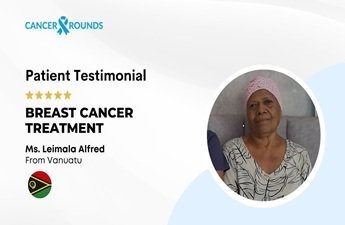
 See Video
Thank you Cancer Rounds and Dr. Deepak Jha for your support and care during my breast cancer journey. I'm healing with hope because of you.
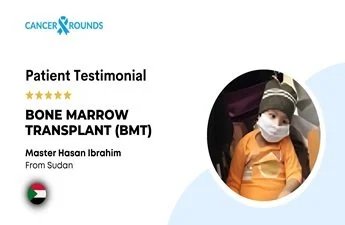
Our son had relapsed leukemia. Thanks to Cancer Rounds & Fortis, he got the right treatment and a second chance at life. Forever thankful.
India gave me hope and healing. With Cancer Rounds by my side, I overcame CLL through a bone marrow transplant. Forever grateful for this journey.
Related Blogs
 Blood CancerNon-HodgkinsHow CAR T-Cell Therapy Lights the Way in Modern Cancer Treatment?Blood Cancer Treatments in India: Hope Amidst ChallengesIs blood cancer curable? Bone Marrow TransplantsBest Oncologist in Tata Memorial Hospital, MumbaiHow to Choose a Radiation Oncologist: What to Look ForBone Marrow Transplant for Sickle Cell Disease: A Guide to Cure and HopeCRISPR Gene Editing: Revolutionising Cancer ImmunotherapyEverything You Need to Know About SBRTHow to recover after bone marrow transplant?Chemotherapy As A Cure For Liver Cancer TreatmentHow Is Immunotherapy Changing Cancer Treatment?
Our Impact
CancerRounds is making quality cancer care accessible to more people every day.


Why Choose India for Cancer Treatment?

World-Class Care
Skilled oncologists provide top-tier medical services

Affordable Treatment
Costs are significantly lower than in Western countries.

Comprehensive Packages
Hospitals offer all-inclusive plans covering surgery, stay, and aftercare.

Easy Accessibility
Well-connected airports and international flight routes.

Proven Success
High patient satisfaction and positive treatment outcomes
Thank You!
Your form has been submitted successfully.