
Immunotherapy in Germany for Cancer Treatment
Germany is at the forefront of cancer immunotherapy, offering treatments that turn the immune system against the disease. Standard options include checkpoint inhibitors (pembrolizumab, nivolumab, atezolizumab), CAR-T cell therapy for blood cancers, personalized dendritic cell vaccines, and bispecific antibodies like blinatumomab that pull immune cells directly onto leukaemia cells.
Language Interpreter Assistance
Accredited Partner Hospitals
End-to-End Care Coordination
Visa and Travel Assistance
Get Your Treatment Plan and Quote
Reply in 4 hours · Plan and quote in 2 days · 100% confidential
Germany is a global leader in cancer treatment, offering advanced immunotherapy options that harness the body's immune system to combat cancer cells. These therapies are particularly beneficial for patients with advanced or treatment-resistant cancers. Immunotherapy treatment in Germany is guided by highly qualified oncologists and supported by state-of-the-art research facilities. Clinics and hospitals in Germany follow international standards of care, ensuring each patient receives a personalized treatment plan based on their cancer type, stage, and overall health. With a strong focus on innovation, safety, and long-term outcomes.
What Is Cancer Immunotherapy?
Cancer immunotherapy is a treatment modality that stimulates or enhances the body's immune system to recognize and destroy cancer cells. Unlike traditional treatments like chemotherapy, which directly target cancer cells, immunotherapy works by:
Boosting the immune system's natural defenses.
Modifying immune cells to better identify and attack cancer cells.
Blocking signals that prevent immune cells from attacking cancer cells.
This approach aims to provide a more targeted and durable response against cancer.
Mechanisms of Action
Immunotherapies in Germany utilize various mechanisms to combat cancer:
Checkpoint Inhibitors
These drugs block proteins that prevent immune cells from attacking cancer cells.
CAR T-Cell Therapy
Involves modifying a patient's T-cells to better recognize and kill cancer cells.
Cancer Vaccines
Stimulate the immune system to attack cancer cells.
Cytokine Therapy
Uses proteins to enhance the immune system's response to cancer.
Dendritic Cell Therapy
Involves training dendritic cells to present cancer antigens, thereby activating T-cells.
Immunotherapy Treatments
Cancer continues to be one of the leading causes of morbidity and mortality worldwide, posing significant clinical and socioeconomic challenges. Traditional therapeutic modalities, including surgery, chemotherapy, and radiotherapy, have substantially improved patient outcomes; however, their efficacy is often limited by systemic toxicity, tumor resistance mechanisms, and the inability to selectively target malignant cells while sparing normal tissues. Over the past two decades, advances in tumor immunology have catalyzed the development of immunotherapies, which harness the patient’s own immune system to recognize, target, and eradicate cancer cells. Unlike conventional treatments, immunotherapies aim not only to destroy existing tumors but also to induce long-lasting immunological memory, providing durable protection against recurrence.
Germany has emerged as a leader in the clinical translation of immunotherapies, supported by advanced research infrastructure, cutting-edge biotechnological platforms, and robust regulatory frameworks.
The mechanistic diversity of these approaches reflects an evolving understanding of tumor-immune interactions, tumor heterogeneity, and the immunosuppressive tumor microenvironment. Despite their transformative potential, immunotherapies are associated with challenges, including variable patient responses, immune-related adverse events, and logistical complexities in cell-based therapies. Ongoing research in Germany focuses on optimizing therapeutic efficacy through biomarker-driven patient selection, combinatorial strategies, and next-generation immunotherapeutic designs. Collectively, immunotherapy represents a paradigm shift in oncology, transforming cancer from a disease managed primarily through cytotoxic modalities to one increasingly controlled by precision-guided, immune-mediated interventions.
Checkpoint Inhibitors
Checkpoint inhibitors have completely changed how doctors treat cancer using the body’s own immune system. Normally, our immune system has built-in “brakes” called checkpoints (like PD-1, PD-L1, and CTLA-4) that stop immune cells from attacking healthy cells. These checkpoints help prevent autoimmune diseases. However, cancer cells are clever, they use these same brakes to hide from the immune system and keep growing.
Checkpoint inhibitor drugs are special antibodies that work by releasing these brakes, allowing immune cells (especially T-cells) to recognize and attack cancer cells again. For example, drugs that block PD-1 or PD-L1 help immune cells get back their strength to destroy cancer, while CTLA-4 blockers help activate more cancer-fighting T-cells in the first place.
This type of treatment has shown impressive, long-lasting results in several cancers, including melanoma (skin cancer), lung cancer, kidney cancer, and lymphoma.
However, because these drugs boost the immune system, they can sometimes make it attack healthy organs too, causing side effects like skin rashes, diarrhea, or inflammation of the lungs, liver, or thyroid. That’s why close medical supervision is essential during treatment.
In Germany, researchers are now working on making checkpoint therapy more precise, finding better biomarkers to predict who will benefit most, combining it with radiation or targeted drugs, and developing next-generation checkpoint drugs that are safer and more effective.
In simple terms, checkpoint inhibitors help your immune system “see” and fight the cancer it had been tricked into ignoring.
CAR T-Cell Therapy
CAR T-cell therapy is a personalized cancer treatment that uses a patient’s own immune cells to fight cancer more effectively. Here’s how it works in simple terms:
Doctors first take some T-cells (a type of white blood cell that fights infection) from the patient’s blood. In a lab, these cells are genetically reprogrammed to grow special receptors on their surface called chimeric antigen receptors (CARs). These new receptors act like “smart sensors” that can recognize specific markers found on cancer cells.
Once the T-cells are modified, they are multiplied in large numbers and then put back into the patient’s body. After returning, these supercharged cells can find, attach to, and kill cancer cells directly, without needing the usual immune recognition process.
When CAR T-cells attack, they release powerful substances that burst open cancer cells and send out signals to attract more immune cells to the area. This creates a strong and focused immune response that can wipe out even advanced blood cancers.
This therapy has shown remarkable success in treating certain blood cancers such as acute lymphoblastic leukemia, large B-cell lymphoma, and multiple myeloma, and it’s now an approved treatment in Germany and other countries.
However, the treatment can sometimes cause serious side effects, like cytokine release syndrome (an intense immune reaction causing fever, weakness, or low blood pressure). Researchers are working on making CAR T-cells safer, helping them reach solid tumors, and designing built-in “off switches” to control their activity when needed.
In short, CAR T-cell therapy turns your own immune cells into living cancer-fighting weapons, a powerful example of how modern science is personalizing cancer care.
Cancer Vaccines
Cancer vaccines are a new type of treatment that help the body’s immune system recognize and fight cancer cells, much like how regular vaccines protect us from infections, but with one key difference. Instead of preventing disease, these therapeutic vaccines are given to people who already have cancer to boost their body’s defense system.
These vaccines contain special substances called tumor antigens, parts of proteins or genetic material (like DNA or RNA) that are found on cancer cells. When injected, the vaccine trains the immune system to spot these antigens as threats. Immune cells called dendritic cells pick up the vaccine material and present it to T-cells, teaching them to identify and destroy cancer cells carrying those same markers.
The immune response works on two levels:
- Killer (CD8+) T-cells attack and kill the cancer cells directly.
- Helper (CD4+) T-cells activate B-cells, which make antibodies that help mark and eliminate cancer cells.
The goal is to help the immune system “remember” the cancer, so it can fight it off if it returns, offering long-term protection with fewer side effects than chemotherapy or radiation.
In Germany, cancer vaccines have been tested and used for cancers like melanoma, prostate cancer (such as the approved vaccine sipuleucel-T), and brain tumors (glioblastoma). Researchers are now developing personalized vaccines using each patient’s own tumor mutations and exploring mRNA-based vaccines, similar to COVID-19 vaccines, for better immune responses.
When combined with other treatments like checkpoint inhibitors or targeted therapies, cancer vaccines may significantly boost the body’s ability to control or even eliminate tumors.
In simple terms, cancer vaccines teach the immune system to recognize cancer as an enemy, helping it fight smarter and remember longer.
Cytokine Therapy
Cytokine-based immunotherapy is a type of cancer treatment that uses natural signaling proteins, called cytokines, to boost the immune system’s ability to fight cancer. Cytokines act like messengers in the body, helping immune cells grow, move, and work together to attack harmful cells.
In this therapy, doctors give patients extra amounts of certain cytokines such as:
- Interleukin-2 (IL-2): helps T-cells and natural killer (NK) cells multiply and attack cancer cells.
- Interferon-alpha (IFN-α): slows the growth of cancer cells and makes them easier for the immune system to recognize.
- Granulocyte-macrophage colony-stimulating factor (GM-CSF): helps immune cells called dendritic cells mature and better “teach” T-cells to target tumors.
- Interleukin-15 (IL-15): promotes the survival and activity of killer immune cells.
These treatments strengthen the body’s immune response, allowing immune cells to better find and destroy tumor cells and even change the environment around the tumor to make it less friendly for cancer growth.
In Germany, cytokine therapy has been used to treat metastatic melanoma, kidney cancer, and certain blood cancers, sometimes alone, but often combined with cancer vaccines or cell therapies for stronger effects.
However, giving cytokines in high doses can sometimes cause serious side effects like fever, low blood pressure, fluid buildup (capillary leak), and organ strain. That’s why scientists are developing safer, more precise versions, such as engineered cytokines, fusion proteins, and localized delivery systems, to make the treatment more effective and less toxic.
In simple terms, cytokine therapy works by supercharging the body’s natural immune signals, helping immune cells grow stronger and smarter in their fight against cancer.
Dendritic Cell Therapy
Dendritic cell (DC) therapy is a highly personalized cancer treatment that uses the body’s own immune cells to train the immune system to recognize and destroy cancer. Dendritic cells act as the “teachers” of the immune system, they show other immune cells what to attack by presenting pieces of harmful material (antigens) from cancer cells.
Here’s how the therapy works in simple terms:
- Doctors take a small sample of the patient’s blood and isolate special immune cells (monocytes). In the lab, these are turned into dendritic cells using natural growth factors like GM-CSF and IL-4. Next, the dendritic cells are “loaded” with cancer information, either by exposing them to tumor antigens, RNA, or fragments from the patient’s own cancer.
- Once ready, these “trained” dendritic cells are injected back into the patient’s body. They travel to the lymph nodes and activate T-cells, teaching them to recognize and kill cancer cells wherever they appear. This process not only helps fight existing cancer but also builds immune memory, allowing the body to respond quickly if the cancer tries to return.
- In Germany, DC therapy has been studied and used for cancers like melanoma, prostate cancer, brain tumors (glioblastoma), and pancreatic cancer, sometimes in combination with checkpoint inhibitors or cytokine therapy for stronger results.
- Researchers are now improving the process by refining how tumor antigens are introduced, enhancing DC maturation, and optimizing how the cells are given to patients to ensure the best immune response.
In simple terms, dendritic cell therapy works like a personalized cancer vaccine, teaching the immune system exactly what the cancer looks like so it can attack and remember it, offering a targeted, long-lasting, and low-toxicity approach to cancer treatment.
Types of Cancer Treated with Immunotherapy
Immunotherapy is used to treat various types of cancer in Germany
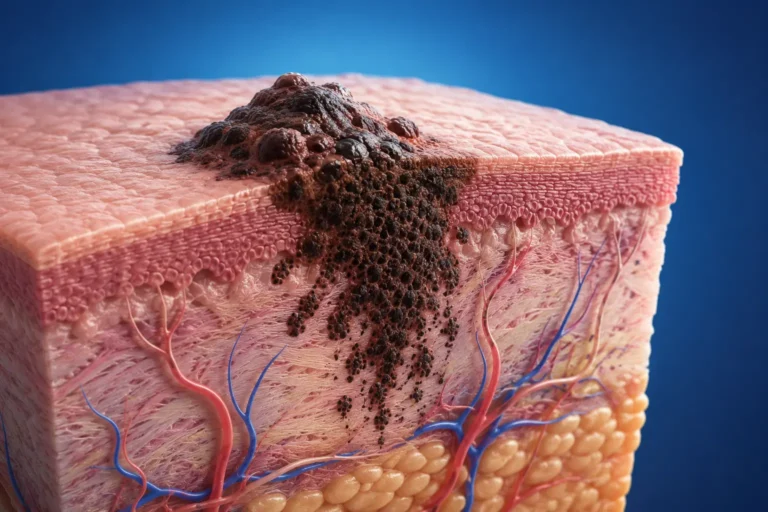
Melanoma
Immunotherapy has shown significant effectiveness in treating melanoma, with therapies like checkpoint inhibitors and dendritic cell vaccines being commonly used.
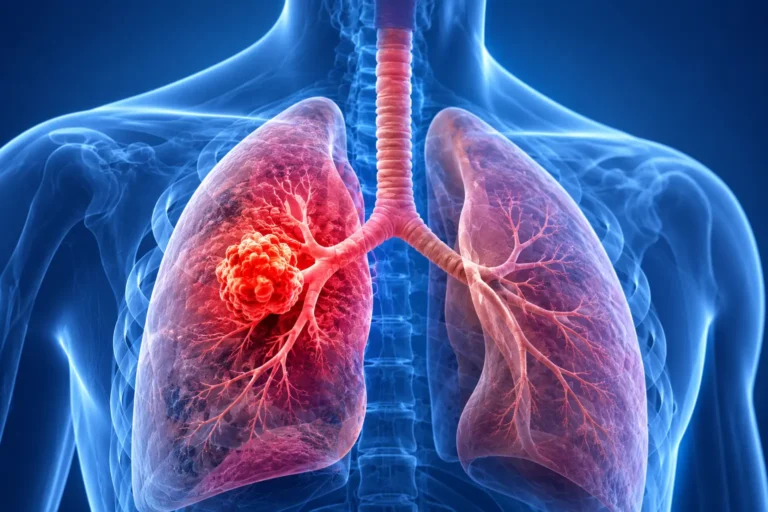
Lung Cancer
Immunotherapy, particularly checkpoint inhibitors, has become a standard treatment for non-small cell lung cancer.
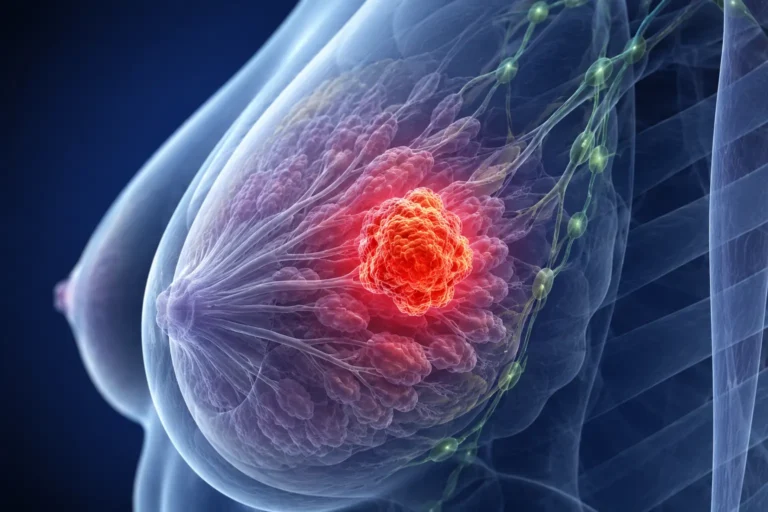
Breast Cancer
Certain subtypes of breast cancer, such as triple-negative breast cancer, have shown positive responses to immunotherapy.
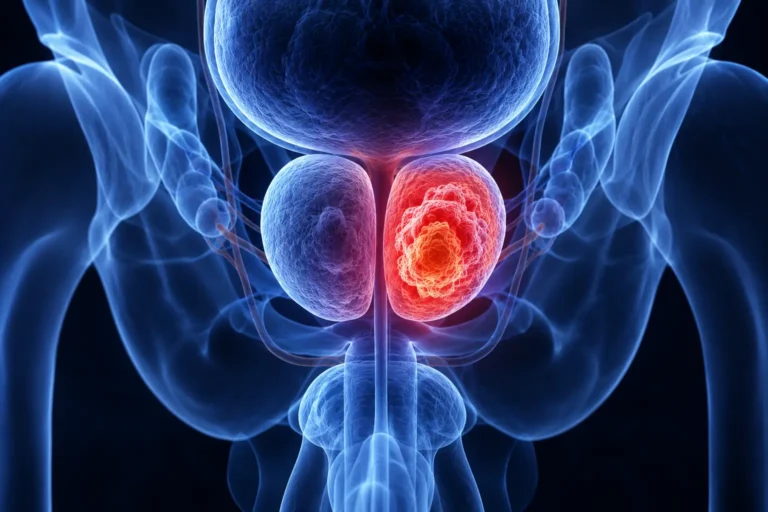
Prostate Cancer
Immunotherapy, including cancer vaccines, is being explored for advanced prostate cancer treatment.
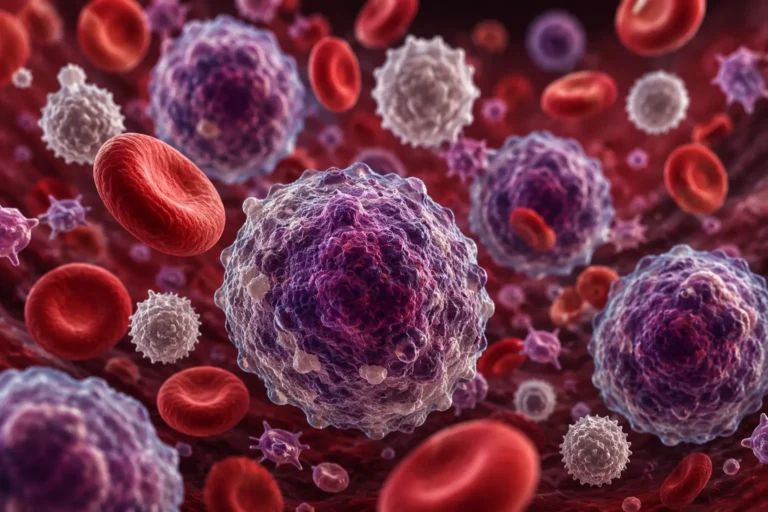
Hematologic Cancers
Blood cancers like leukemia and lymphoma have been treated with CAR T-cell therapy and monoclonal antibodies.
Why Choose Germany for Immunotherapy Treatment?
Advanced Medical Infrastructure
- Germany has some of the most technologically advanced hospitals in Europe, with state-of-the-art facilities for cancer diagnosis, treatment, and monitoring.
- Specialized cancer centers like Charité (Berlin), University Hospital Heidelberg, IOZK (Cologne), Hallwang Clinic, and Biotherapy International provide access to cutting-edge immunotherapy modalities.
Access to Latest Therapies and Clinical Trials
- Germany is at the forefront of immunotherapy research.
- Patients can access FDA/EMA-approved therapies and participate in clinical trials for novel treatments such as CAR T-cell therapy, personalized cancer vaccines, and checkpoint inhibitors.
- Platforms like Cancer Rounds help international patients find appropriate treatment plans.
Highly Experienced Oncologists and Multidisciplinary Teams
- German oncologists are well-trained and internationally recognized, often publishing in peer-reviewed journals.
- Treatments are managed by multidisciplinary teams including oncologists, immunologists, radiologists, and supportive care specialists.
High Success Rates and Personalized Care
- Immunotherapy success rates in Germany are among the highest globally:
- Melanoma: 70–80%
- Lung cancer: 50–60% (PD-L1 positive)
- CAR T-cell therapy for blood cancers: 80–90%
- Therapy is personalized based on biomarkers, genetic testing, and patient health, increasing efficacy and safety.
Safety and Side Effect Management
- German hospitals are known for rigorous monitoring and prompt management of side effects, especially immune-related adverse events.
- Patients benefit from integrated supportive care including dietitians, psychologists, and rehabilitation specialists.
International Patient Support
- Germany has dedicated international patient departments that help with travel, visa processing, accommodation, language interpretation, and scheduling.
- Platforms like Cancer Rounds make the process smooth and transparent for patients abroad.
Regulatory Excellence
- Therapies in Germany are strictly regulated by EMA, ensuring that patients receive treatments with verified efficacy and safety.
- Hospitals follow standardized protocols, minimizing risks and optimizing outcomes.
Geographical Advantage and Connectivity
- Germany is centrally located in Europe, with excellent transport links, allowing easy travel for international patients.
- Major cities with cancer centers include Berlin, Heidelberg, Munich, Cologne, Hamburg, and Baden-Baden.
Cancer Rounds acts as a bridge between international patients and German cancer centers, ensuring:
- Right hospital and doctor selection
- Seamless coordination of treatment and logistics
- Access to innovative therapies and clinical trials
- Continuous support, follow-up, and coordination
This platform essentially reduces complexity, improves treatment efficiency, and enhances patient outcomes for those seeking immunotherapy in Germany.
Leading Immunotherapy Centers in Germany
Germany boasts several renowned institutions specializing in cancer immunotherapy:
Hospital | City | Specialty |
Charité University Hospital | Berlin | Comprehensive cancer care |
University Hospital Heidelberg | Heidelberg | Advanced oncology treatments |
Hallwang Private Oncology Clinic | Baden-Baden | Personalized immunotherapy approaches |
IOZK (Immuno-Oncology Center) | Cologne | Dendritic cell therapy and personalized care |
Biotherapy International | Rheinfelden | Cutting-edge immunotherapy and stem cell treatments |
These centers offer state-of-the-art treatments and have a track record of successful patient outcomes.
Estimated Immunotherapy Treatment Costs in Germany
Cancer Type | Immunotherapy Type | Estimated Cost (EUR) |
Breast Cancer | Dendritic Cell Therapy | €20,000 – €38,000 |
| Checkpoint Inhibitors (e.g., Keytruda) | €375,000 – €420,000 |
| CAR T-Cell Therapy | €450,000 – €550,000 |
Lung Cancer | Checkpoint Inhibitors | €375,000 – €420,000 |
| CAR T-Cell Therapy | €450,000 – €550,000 |
Melanoma | Checkpoint Inhibitors | €375,000 – €420,000 |
| Dendritic Cell Therapy | €20,000 – €38,000 |
Prostate Cancer | Checkpoint Inhibitors | €375,000 – €420,000 |
| Dendritic Cell Therapy | €20,000 – €38,000 |
Leukemia & Lymphoma | CAR T-Cell Therapy | €450,000 – €550,000 |
| Monoclonal Antibodies | €375,000 – €420,000 |
Brain Tumors | Dendritic Cell Therapy | €20,000 – €38,000 |
| Checkpoint Inhibitors | €375,000 – €420,000 |
Pancreatic Cancer | Dendritic Cell Therapy | €20,000 – €38,000 |
| Checkpoint Inhibitors | €375,000 – €420,000 |
Sarcoma | Dendritic Cell Therapy | €20,000 – €38,000 |
| Checkpoint Inhibitors | €375,000 – €420,000 |
Ovarian Cancer | Dendritic Cell Therapy | €20,000 – €38,000 |
| Checkpoint Inhibitors | €375,000 – €420,000 |
Cervical Cancer | Dendritic Cell Therapy | €20,000 – €38,000 |
| Checkpoint Inhibitors | €375,000 – €420,000 |
Skin Cancer | Dendritic Cell Therapy | €20,000 – €38,000 |
| Checkpoint Inhibitors | €375,000 – €420,000 |
Success Rates and Patient Outcomes
Immunotherapy in Germany has shown promising results:
High success rates
Immunotherapy in Germany shows an efficacy of 70-90% for various cancers. This significantly improves patient outcomes.
Expert surgeons
Leading oncologists, certified by the German Cancer Society, have performed thousands of successful immunotherapy cases. Their extensive experience and expertise are well-documented.
Potential Complications and Management
While immunotherapy is generally well-tolerated, some patients may experience side effects:
- Common Side Effects: Fatigue, skin reactions, flu-like symptoms.
- Serious Immune-Related Adverse Events (irAEs): Inflammation of organs such as the lungs, liver, or intestines.
Management involves:
- Early detection and monitoring.
- Use of corticosteroids or other immunosuppressive agents.
- Close collaboration between oncologists and immunologists.
International Patient Support
Cancer Rounds assist international patients in accessing cancer treatment in Germany:
- Provide information on top clinics, treatment options, and cost estimates.
- Facilitate communication with doctors and assistance with travel arrangements.
These services ensure a smooth treatment journey for international patients.
Frequently Asked Questions
Everything you need to know before your consultation
What types of cancer can be treated with immunotherapy in Germany? expand_more
Immunotherapy in Germany is utilized to treat a broad spectrum of cancers. Commonly treated malignancies include melanoma, non-small cell lung cancer (NSCLC), triple-negative breast cancer, prostate cancer, kidney cancer, and bladder cancer. Hematologic cancers, such as leukemia and lymphoma, are also effectively managed with immunotherapeutic strategies. Additionally, emerging applications are being explored in colorectal cancer, head and neck cancers, and pancreatic cancer through clinical trials. Germany provides access to both FDA- and EMA-approved immunotherapies, alongside novel therapies available within ongoing clinical research studies.
Is immunotherapy suitable for all cancer patients? expand_more
Not all patients are candidates for immunotherapy. Eligibility depends on multiple factors, including cancer type, disease stage, and genetic biomarkers such as PD-L1 expression and microsatellite instability (MSI) status. Prior treatments and overall health also influence suitability. Personalized evaluation by experienced oncologists in Germany ensures that immunotherapy is administered safely and effectively for each patient.
How is immunotherapy administered? expand_more
Administration depends on the therapy type. Checkpoint inhibitors are delivered via intravenous infusion every 2–4 weeks. CAR T-cell therapy involves extracting T-cells from the patient, genetically modifying them to target cancer cells, and reinfusing them. Cancer vaccines are usually given subcutaneously or intradermally. Cytokine therapy can be administered either intravenously or subcutaneously. Oral immunotherapy options exist but are limited to certain specific targets.
Are there any age restrictions for immunotherapy? expand_more
Most immunotherapies can be given to adults and elderly patients without strict age limits. Pediatric applications are more selective, with therapies such as CAR T-cells approved for children with certain leukemias. Each patient undergoes assessment of organ function, comorbidities, and treatment tolerance to determine suitability.
How long does immunotherapy treatment last? expand_more
Treatment duration varies depending on cancer type, therapy regimen, and patient response. Some therapies require weeks to months of active treatment. In certain cases, maintenance therapy may continue for 1–2 years to maintain remission. Regular monitoring through imaging and laboratory tests helps guide treatment intervals.
What are the costs associated with immunotherapy in Germany? expand_more
Costs vary widely based on therapy type, hospital, duration, and supportive care needs. Checkpoint inhibitor infusions typically range from €7,000 to €15,000 per session. CAR T-cell therapy can cost between €250,000 and €350,000 per treatment.
How can international patients access immunotherapy in Germany? expand_more
International patients can use platforms like Cancer Rounds to connect with hospitals and oncologists. These services assist in arranging appointments, preparing documentation, coordinating travel and visas, and organizing accommodation.
What is the success rate of immunotherapy in Germany? expand_more
Response rates vary by cancer type. For melanoma, checkpoint inhibitors achieve a response rate of 70–80%. In PD-L1 positive lung cancer, response is approximately 50–60%. CAR T-cell therapies in hematologic malignancies can reach 80–90% response rates. Actual outcomes depend on disease stage, biomarkers, and previous treatments.
How can I get started with immunotherapy treatment in Germany? expand_more
- Step 1: Contact a platform such as Cancer Rounds.
- Step 2: Share detailed medical records and diagnostic information.
- Step 3: Receive hospital recommendations and cost estimates.
- Step 4: Schedule consultations with German oncologists.
- Step 5: Arrange travel, visas, accommodation, and treatment logistics.
- Step 6: Begin immunotherapy with continuous monitoring and follow-up by the medical team.
References
- NCI – Immunotherapy to Treat Cancer
- NCI – Breast Cancer Treatment
- NCI – Non-Small Cell Lung Cancer Treatment
- Onkopedia – Oncology Guidelines
- ESMO – Clinical Practice Guidelines
- NCCN – Clinical Practice Guidelines
- German Cancer Society
- German Cancer Research Center (DKFZ)
- European Medicines Agency – Advanced Therapy Medicinal Products
- Paul-Ehrlich-Institut – Advanced Therapy Medicinal Products
- ClinicalTrials.gov – Cancer Immunotherapy Trials
- German Clinical Trials Register (DRKS)