Best Nasopharyngeal Cancer Treatment Doctors in India

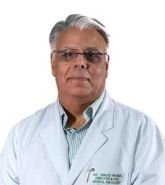
Dr. Vinod Raina

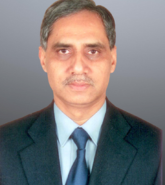
Dr. Vikram Pratap Singh


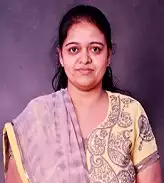
Dr. Pramod Kumar Julka

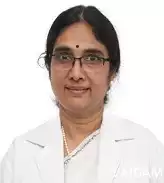
Dr. Surender Kumar Dabas

Dr. Harit Chaturvedi

Dr. Jalaj Baxi

Dr. Anil K Dhar

Dr. Biswajyoti Hazarika

Dr. Rajat Bajaj

Dr. (Col) V.P. Singh

Dr. Sajal Kakkar


Dr. Sandeep Mehta

Dr. R. N. Mittal

Dr. Tejinder Kataria

Dr. Subodh Chandra Pande

Dr. Rajesh Mistry

Dr. Deepak Sarin
What Patients with Nasopharyngeal Cancer Worry About Most
Nasopharyngeal cancer is uncommon in most of the world but more frequent in parts of Asia, North Africa, and the Middle East. Patients often present with a neck lump, blocked ear, nosebleeds, or headaches. Families ask: do I need surgery (the answer is usually no), how strong is radiation therapy, will I lose my saliva and taste permanently, and is this curable. The fear of facial radiation and the effects on saliva, swallowing, hearing, and the thyroid is the most common practical concern. Modern intensity-modulated radiation therapy with concurrent chemotherapy has changed the outlook significantly, with most patients curable and side effects far better than the older radiation techniques.
How Nasopharyngeal Cancer Is Diagnosed
Diagnosis requires endoscopic biopsy of the nasopharyngeal mass. Magnetic resonance imaging of the nasopharynx and neck is the best imaging for local staging because it shows skull base and parapharyngeal involvement. Computed tomography assesses bony involvement and lung disease. Positron emission tomography combined with computed tomography is used for distant disease and lymph node staging. Epstein-Barr virus DNA in plasma is a useful marker for prognosis and follow-up, especially in endemic types. Audiology and dental evaluation are done before treatment because radiation affects both.
Treatment Options for Nasopharyngeal Cancer in India
Surgery has a very limited role because the location makes resection difficult and radiation therapy is highly effective. Early-stage disease is treated with radiation therapy alone, using intensity-modulated radiation therapy to deliver high doses to the tumour while sparing salivary glands, swallowing structures, and the brain stem. Locally advanced disease is treated with concurrent chemoradiation, usually with cisplatin chemotherapy given alongside radiation. Induction chemotherapy (gemcitabine and cisplatin) before chemoradiation is now standard for many locally advanced cases. For metastatic disease, chemotherapy with gemcitabine and cisplatin gives good response rates. Immunotherapy (toripalimab, pembrolizumab, nivolumab) is now used in advanced disease and improves outcomes when combined with chemotherapy. Centres at Tata Memorial, Apollo, Medanta, Fortis Memorial Research Institute, Max, and BLK-Max have head and neck cancer teams with intensity-modulated radiation therapy and full multidisciplinary capability.
Recovery, Success Rates, and Follow-Up
Cure rates are good with modern multimodality treatment. Early-stage disease has five-year survival above ninety percent. Locally advanced disease sits around seventy to eighty percent with concurrent chemoradiation. Even metastatic disease can be controlled for years with chemotherapy and immunotherapy. Treatment runs over six to seven weeks of daily radiation with weekly chemotherapy. There is no hospital stay needed for routine treatment, although patients often need feeding tube support or hospitalisation for severe mucositis. Recovery of saliva, taste, and swallowing takes months. Follow-up runs for at least five years with regular endoscopy, imaging, and Epstein-Barr virus DNA monitoring.
How to Choose the Right Doctor
Nasopharyngeal cancer needs a head and neck radiation oncologist with extensive experience in intensity-modulated radiation therapy. Look for a centre with multidisciplinary head and neck tumour board, dedicated speech and swallowing therapy, dental and audiology support, and modern radiation planning capability. Questions to ask: the centre’s annual case volume, whether intensity-modulated radiation therapy is used as standard, the experience with induction chemotherapy and immunotherapy combinations, and the supportive care during treatment (feeding tubes, oral care, swallowing therapy). Centres at Tata Memorial, Apollo, Medanta, Fortis Memorial Research Institute, Max, and BLK-Max have established nasopharyngeal cancer programmes.
Support for International Patients
Treatment in India is significantly more affordable than equivalent care in the United Kingdom, United States, Middle East, or Southeast Asia, without compromise on radiation technology or doctor expertise. Cancer Rounds arranges the medical visa invitation letter, accommodation near the treatment hospital for the seven-week radiation course, multilingual support in eleven plus languages, and full coordination through chemoradiation, supportive care, and follow-up. Patients from Nigeria, Bangladesh, Oman, Kuwait, Qatar, Kenya, Uganda, Tanzania, Ghana, Ethiopia, Cameroon, Mauritius, Mozambique, Senegal, Zimbabwe, Zambia, Guinea, Liberia, Madagascar, South Sudan, Qatar, Chad, Sierra Leone, Congo, Iraq & Uzbekistan, and other countries travel to India for nasopharyngeal cancer treatment.

Frequently Asked Questions
Is nasopharyngeal cancer curable?
Yes, in most cases. Early-stage disease has five-year survival above ninety percent. Locally advanced disease has five-year survival around seventy to eighty percent with concurrent chemoradiation.
Do I need surgery?
Surgery has a very limited role in nasopharyngeal cancer because the location makes resection difficult. Radiation therapy with or without chemotherapy is the standard treatment. Surgery is occasionally used for selected recurrent cases.
What is intensity-modulated radiation therapy?
Intensity-modulated radiation therapy is an advanced technique that shapes radiation beams precisely around the tumour while sparing nearby healthy tissues including salivary glands, swallowing structures, and the brain stem. It significantly reduces long-term side effects.
Will I lose my saliva and taste forever?
Saliva and taste are commonly reduced during and after treatment. With intensity-modulated radiation therapy, recovery is much better than with older techniques. Most patients regain partial salivary function over six to twelve months. Dry mouth may persist to some degree long-term.
What is the role of immunotherapy?
Immunotherapy (toripalimab, pembrolizumab, nivolumab) is now used in advanced or recurrent disease and improves outcomes when combined with chemotherapy. It is being studied in earlier settings.
Why is Epstein-Barr virus DNA tested?
Epstein-Barr virus DNA in plasma is associated with most nasopharyngeal cancers in endemic populations. It is useful as a prognostic marker at diagnosis and for monitoring response to treatment and detecting early recurrence.