Best Pulmonary Embolism Treatment Doctors in India


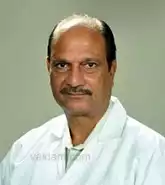
Dr. Surinder Singh Khatana


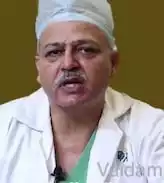
Dr. Jaisom Chopra

Dr. Rakesh Mahajan

Dr. Rajkumar M


Dr. Kumud Rai


Dr Balakumar S


Dr. Balaji V


What Patients with Pulmonary Embolism Worry About Most
Pulmonary embolism is a blood clot that travels from a deep vein (usually in the leg) and blocks an artery in the lung. Patients worry about sudden death, about how long they will need to be on blood thinners, and about whether the clot will leave permanent damage. Many were admitted with breathlessness or chest pain and were told they were lucky to survive. The honest position is that pulmonary embolism treated promptly with anticoagulation has thirty-day mortality below five percent, and that high-risk pulmonary embolism with shock benefits from thrombolysis or catheter-directed intervention at specialist centres.
How Pulmonary Embolism Is Diagnosed
Diagnosis combines clinical probability (Wells score, Geneva score) with D-dimer and imaging. Low probability with normal D-dimer rules out pulmonary embolism. Computed tomography pulmonary angiography is the test of choice and visualises clots in pulmonary arteries directly. Ventilation-perfusion scan is used when computed tomography is contraindicated (renal failure, pregnancy, contrast allergy). Echocardiography assesses right ventricular strain. Troponin and brain natriuretic peptide stratify severity. Lower limb duplex ultrasound confirms the source. Thrombophilia screening is added in young patients with unprovoked events.
Treatment Options for Pulmonary Embolism in India
Treatment depends on severity. Low-risk pulmonary embolism is treated with anticoagulation alone, often started with low molecular weight heparin (enoxaparin) and switched to direct oral anticoagulants (rivaroxaban, apixaban, dabigatran, edoxaban). Selected low-risk patients can be treated as outpatients. Intermediate-risk pulmonary embolism with right ventricular strain is admitted for monitoring with anticoagulation, with rescue thrombolysis if deterioration occurs. High-risk pulmonary embolism with shock is treated by systemic thrombolysis with alteplase, or by catheter-directed thrombolysis, mechanical thrombectomy (FlowTriever, Indigo), or surgical pulmonary embolectomy at specialist centres. Inferior vena cava filters are placed when anticoagulation is contraindicated. Fortis Escorts Heart Institute, Medanta, Apollo Hospitals, Narayana Hrudayalaya, Asian Heart Institute, and All India Institute of Medical Sciences run pulmonary embolism response teams covering full intervention.
Recovery, Success Rates, and Follow-Up After Pulmonary Embolism
Thirty-day mortality is below five percent in low and intermediate-risk pulmonary embolism. High-risk pulmonary embolism mortality is fifteen to thirty percent even with aggressive treatment. Most patients recover lung function fully over three to six months. Chronic thromboembolic pulmonary hypertension develops in around two to four percent and is screened for at three to six months with echocardiography. Anticoagulation duration is at least three months for provoked pulmonary embolism, often lifelong for unprovoked events or thrombophilia. Follow-up includes lung function tests, repeat echocardiography, and bleeding risk review.
How to Choose the Right Specialist for Pulmonary Embolism
Ask whether the centre has a pulmonary embolism response team combining pulmonology, cardiology, intensive care, interventional radiology, and cardiothoracic surgery. Confirm twenty-four-hour access to catheter-directed thrombolysis and mechanical thrombectomy for high-risk pulmonary embolism. Ask about a dedicated chronic thromboembolic pulmonary hypertension clinic for long-term follow-up. Centres that follow European Society of Cardiology pulmonary embolism guidelines are usually the better choice.
Support for International Patients
Pulmonary embolism treatment including catheter-directed thrombolysis and mechanical thrombectomy in India costs a fraction of comparable care in the United Kingdom, the United States, or the United Arab Emirates. Cancer Rounds arranges medical visa invitation letters, accommodation near the cardiac centre, multilingual support in eleven plus languages, and rapid transfer for high-risk pulmonary embolism. We have supported patients from Nigeria, Kenya, Bangladesh, Iraq, Ethiopia, and Oman through pulmonary embolism care including chronic thromboembolic pulmonary hypertension assessment in India.
Frequently Asked Questions
How long do I need to take anticoagulation?
Provoked pulmonary embolism (after surgery, immobilisation, hormone use) needs at least three months. Unprovoked pulmonary embolism or thrombophilia usually needs extended or lifelong anticoagulation depending on bleeding risk.
Can I be treated at home?
Selected low-risk pulmonary embolism patients (sPESI score zero, no right ventricular strain) can be treated as outpatients with direct oral anticoagulants. Most other patients are admitted for monitoring.
What is catheter-directed thrombolysis?
Catheter-directed thrombolysis delivers a low dose of alteplase directly into the pulmonary artery clot through a catheter, reducing the bleeding risk of systemic thrombolysis while restoring blood flow.
Will I have shortness of breath forever?
Most patients recover lung function over three to six months. Persistent breathlessness raises suspicion of chronic thromboembolic pulmonary hypertension, which is treatable by pulmonary endarterectomy or balloon pulmonary angioplasty.
Are direct oral anticoagulants better than warfarin?
Direct oral anticoagulants (rivaroxaban, apixaban, dabigatran, edoxaban) have comparable efficacy to warfarin with lower major bleeding and intracranial bleeding rates and need no routine blood monitoring. They are the first choice for most pulmonary embolism patients.
Can I fly after pulmonary embolism?
Most patients can fly after two to four weeks once stable on anticoagulation. Hydration, mobility during flight, and graduated compression stockings reduce recurrence risk.