

Best Kyphosis Treatment Doctors in India

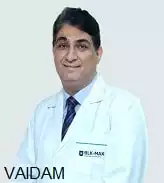
Dr. Rajagopalan Krishnan

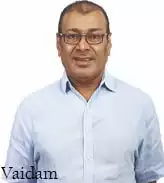
Dr. Vidyadhara S.

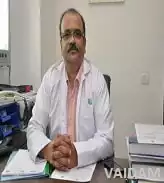
Dr. Puneet Girdhar

Dr. Sajan K Hegde

Dr. Hitesh Garg


Dr. Kalidutta Das

Dr. Vikas Tandon


Dr. Charanjit Singh Dhillon

Dr. Vishal Peshattiwar

Dr. H. S. Chhabra

Dr. Navaladi Shankar

Dr. M.L. Bansal


Dr. Manoj Miglani


Dr. Anil Mishra
What Patients with Kyphosis Worry About Most
Kyphosis is a forward curvature of the upper back that can be postural, congenital, related to Scheuermann disease in adolescence, or due to osteoporotic vertebral fractures in older adults. Patients worry about the cosmetic appearance, breathing difficulty when the curve is severe, and back pain that interferes with work. Parents of teenagers ask whether bracing will help and whether their child will need surgery. The realistic answer is that postural kyphosis responds to physiotherapy alone, that Scheuermann disease needs bracing while growing, and that surgery is reserved for curves above seventy-five degrees, neurological symptoms, or unrelenting pain.
How Kyphosis Is Diagnosed
Diagnosis is based on standing lateral X-rays of the full spine with measurement of the Cobb angle from T5 to T12 (normal range twenty to forty degrees). Magnetic resonance imaging is added when neurological symptoms, congenital deformity, or severe curves are present. Computed tomography helps surgical planning. Pulmonary function tests are done before surgery for curves above seventy degrees. Bone mineral density testing is done in older patients with osteoporotic compression fractures. Photographic records of the back from behind and the side establish a baseline.
Treatment Options for Kyphosis in India
Postural kyphosis is treated with physiotherapy focused on thoracic extensor strengthening, hamstring stretching, and posture training. Scheuermann disease in a growing child with a curve over fifty degrees is treated with a Milwaukee or thoracolumbosacral orthosis brace worn eighteen to twenty-three hours a day for two years or more. Osteoporotic vertebral fractures are treated with pain control, bracing, calcium, vitamin D, and bisphosphonates. Vertebroplasty or kyphoplasty (balloon-assisted cement injection) is offered for acute painful fractures. Surgical correction by posterior instrumented fusion with pedicle screws is reserved for curves above seventy-five degrees, progressive deformity, neurological symptoms, or unmanageable pain. Anterior release is added in rigid curves. Centres at Medanta, Fortis Memorial Research Institute, Apollo, BLK-Max, and Manipal handle paediatric and adult kyphosis surgery.
Recovery, Success Rates, and Follow-Up
Bracing prevents curve progression in seventy to eighty percent of compliant Scheuermann patients. Kyphoplasty reduces back pain in over eighty percent of osteoporotic fractures within forty-eight hours. Surgical correction reduces the Cobb angle by forty to sixty percent and improves chest expansion. Hospital stay is six to eight days after major correction surgery. Return to school or office work is at two to three months. Implant infection is around two to three percent. Pseudarthrosis (failed fusion) is under five percent in modern series. Yearly clinical and radiological follow-up is needed until skeletal maturity in children.
How to Choose the Right Spine Surgeon for Kyphosis
For paediatric and adolescent kyphosis, choose a paediatric spine surgeon trained in deformity correction with at least ten years of fellowship work and a centre that does over fifty deformity cases a year. For adult kyphosis from osteoporosis, ask whether kyphoplasty is offered routinely and whether bone health is managed by an endocrinology team. Ask the team to show their pre- and post-operative Cobb angle results and the published complication rate.
Support for International Patients
Cancer Rounds arranges the medical visa invitation letter, accommodation that is family-friendly for paediatric patients, airport pickup, and multilingual support in eleven plus languages. Families travel from Nigeria, Bangladesh, Kenya, Iraq, Ethiopia, Oman, and the United Arab Emirates. The case manager handles the second opinion, pre-anaesthesia workup including pulmonary function tests, the operation scheduling, intensive care and rehabilitation arrangements, and a one-year teleconsult follow-up.
Frequently Asked Questions
Can postural kyphosis be corrected without surgery?
Yes. Postural kyphosis responds well to physiotherapy focused on thoracic extension, posture correction, and core strengthening. No bracing or surgery is needed.
How long does the brace need to be worn in Scheuermann disease?
Eighteen to twenty-three hours a day for two years or until skeletal maturity. Compliance is the single biggest factor for success.
What is the indication for surgery?
Curves above seventy-five degrees, progressive deformity despite bracing, neurological symptoms (weakness, numbness), or pain that does not respond to non-operative care.
Is kyphoplasty painful?
It is done under local or short general anaesthesia in about thirty minutes. Most patients describe immediate pain relief on standing the next morning.
Can osteoporotic kyphosis be prevented?
Yes. Adequate calcium, vitamin D, weight-bearing exercise, fall prevention, and bisphosphonate or denosumab therapy reduce future fractures by fifty percent or more in high-risk patients.
How long is the hospital stay after correction surgery?
Six to eight days for major posterior instrumented fusion. International patients usually stay in the city for three to four weeks before flying home.