Best Hodgkin Lymphoma Treatment Doctors in India

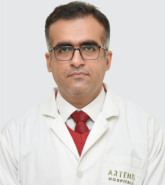
Dr. Rahul Bhargava

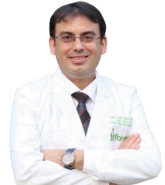
Dr. Gaurav Dixit

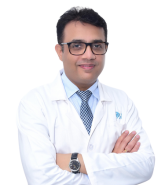
Dr. Vikas Dua

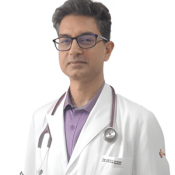
Dr. TPR Bharadwaj

Dr. Satya Prakash Yadav

Dr. Chezhian Subash

Dr. Srikanth M

Dr. Mallikarjun Kalashetty

Dr. Shishir Seth

Dr. Dharma Choudhary

Dr. Gaurav Kharya


Dr. Kishore Kumar S

Dr. Revathi Raj

Dr. Ramaswamy N.V.

Dr. Satyendra Katewa


Dr. Balkrishna Padate
What Patients with Hodgkin Lymphoma Worry About Most
Hodgkin lymphoma is one of the most curable cancers in oncology, but the diagnosis still feels overwhelming. Patients ask: what stage is my disease, how many cycles of chemotherapy do I need, will I lose my fertility, and what are the long-term effects of chemotherapy and radiation on the heart, lungs, and thyroid. The fear of late effects is real and worth discussing openly. Today’s protocols use positron emission tomography results to decide whether radiation is needed and to reduce chemotherapy cycles when an early scan is clean. Fertility preservation is offered before treatment for younger patients.
How Hodgkin Lymphoma Is Diagnosed
Diagnosis is confirmed through an excisional biopsy of an enlarged lymph node. The pathology report identifies Reed-Sternberg cells and the subtype. Staging uses positron emission tomography combined with computed tomography scanning. Bone marrow biopsy is no longer routine if the positron emission tomography scan is clear in the marrow. Additional baseline tests include echocardiogram, lung function tests (if bleomycin is planned), thyroid function, and inflammatory markers. The Ann Arbor staging system places patients into stages I to IV based on the number and location of involved sites, with subscripts A or B for constitutional symptoms.
Treatment Options for Hodgkin Lymphoma in India
Doxorubicin, bleomycin, vinblastine, and dacarbazine (commonly called the ABVD regimen) is the standard first-line chemotherapy. Early-stage favourable patients receive two to four cycles often followed by involved-site radiation therapy. Early-stage unfavourable and advanced-stage patients receive four to six cycles, with positron emission tomography scan after two cycles guiding whether to escalate or de-escalate the remaining treatment. For relapsed or refractory disease, second-line chemotherapy is followed by autologous bone marrow transplant in eligible patients. Brentuximab vedotin (an antibody-drug conjugate targeting CD30) and checkpoint inhibitors (nivolumab, pembrolizumab) are highly effective in relapsed disease. Centres at Fortis Memorial Research Institute, Medanta, BLK-Max, Apollo, Tata Memorial, and Manipal run high-volume Hodgkin lymphoma programmes with positron emission tomography adapted protocols.
Recovery, Success Rates, and Follow-Up
Cure rates are excellent. Early-stage disease has a five-year survival above ninety-five percent. Advanced-stage disease has a five-year survival around eighty to eighty-five percent. Most patients who relapse can still be cured with second-line chemotherapy and autologous bone marrow transplant. Chemotherapy is given as outpatient day-care infusions every two weeks. Total treatment duration is two to six months depending on stage. If radiation is added, it usually runs over three to four weeks after chemotherapy completes. Follow-up continues for at least ten years with regular clinical review and surveillance for late effects.
How to Choose the Right Doctor
Look for a hemato-oncologist with at least ten years of focused lymphoma experience, running positron emission tomography adapted protocols, and with access to brentuximab vedotin and checkpoint inhibitors. Questions to ask: how the doctor uses interim positron emission tomography to adjust treatment, whether fertility preservation is offered before starting chemotherapy, whether radiation is given as involved-site radiation therapy (the modern lower-toxicity approach), and the centre’s experience with relapsed or refractory disease. Centres at Fortis Memorial Research Institute, Medanta, BLK-Max, Apollo, Tata Memorial, and Manipal have established lymphoma clinics with the right infrastructure.
Support for International Patients
Treatment in India is more affordable than equivalent care in the United Kingdom, United States, Middle East, or Southeast Asia. Final pricing depends on the chemotherapy regimen, number of cycles, whether radiation is needed, and whether second-line treatment or transplant is required. Cancer Rounds arranges the medical visa invitation letter, accommodation, multilingual support in eleven plus languages, and full coordination through chemotherapy, scans, and follow-up. Patients from Nigeria, Bangladesh, Oman, Kuwait, Qatar, Kenya, Uganda, Tanzania, Ghana, Ethiopia, Cameroon, Mauritius, Mozambique, Senegal, Zimbabwe, Zambia, Guinea, Liberia, Madagascar, South Sudan, Qatar, Chad, Sierra Leone, Congo, Iraq & Uzbekistan, and other countries travel to India for Hodgkin lymphoma treatment every year.
Frequently Asked Questions
Is Hodgkin lymphoma curable?
Yes. It is one of the most curable cancers. Early-stage disease has a five-year survival above ninety-five percent, and advanced-stage disease around eighty to eighty-five percent.
Will I lose my fertility from chemotherapy?
Doxorubicin, bleomycin, vinblastine, and dacarbazine chemotherapy is relatively fertility-sparing. Sperm banking for men and egg or embryo freezing for women is still offered before treatment.
How many cycles of chemotherapy will I need?
Early-stage favourable patients usually need two to four cycles. Early-stage unfavourable or advanced-stage patients need four to six cycles. The interim positron emission tomography scan after two cycles often guides whether to extend or shorten treatment.
Will I need radiation therapy?
Many early-stage patients receive involved-site radiation therapy after chemotherapy. Advanced-stage patients are usually treated with chemotherapy alone. The decision depends on the size and number of involved sites and the positron emission tomography scan after chemotherapy.
What if the disease comes back?
Relapsed Hodgkin lymphoma is treated with second-line chemotherapy followed by autologous bone marrow transplant in eligible patients. Brentuximab vedotin and checkpoint inhibitors are highly effective in relapse.
What are the long-term effects?
Long-term effects include heart problems (from anthracycline chemotherapy and chest radiation), lung problems (from bleomycin and chest radiation), thyroid problems (from neck radiation), and a small increased risk of second cancers. Modern protocols use lower radiation doses to reduce these risks.