Best Peripheral Artery Disease Treatment Doctors in India


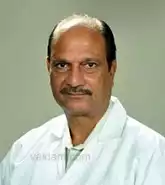
Dr. Surinder Singh Khatana


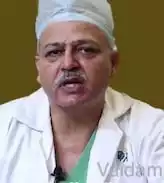
Dr. Jaisom Chopra

Dr. Rakesh Mahajan

Dr. Rajkumar M


Dr. Kumud Rai


Dr Balakumar S


Dr. Balaji V


What Patients with Peripheral Artery Disease Worry About Most
Peripheral artery disease is narrowing of arteries supplying the legs, most commonly from atherosclerosis. Patients worry about losing the ability to walk, about whether stents really last, and about the cardiac risk that comes with peripheral artery disease. Many have already noticed pain in the calf when walking that stops with rest (intermittent claudication). The honest position is that peripheral artery disease is a marker of widespread cardiovascular risk: most patients die of heart attack or stroke, not amputation. The biggest gains come from medical therapy and risk factor control, with revascularisation reserved for lifestyle-limiting symptoms or critical ischaemia.
How Peripheral Artery Disease Is Diagnosed
Diagnosis starts with history (claudication distance, rest pain, ulcers) and examination (pulses, skin changes). Ankle-brachial index below 0.9 confirms peripheral artery disease, with values below 0.4 indicating critical ischaemia. Exercise ankle-brachial index helps when resting values are normal but symptoms are typical. Duplex ultrasound localises lesions. Computed tomography angiography or magnetic resonance angiography from the aorta to the foot is done before any planned intervention. Cardiovascular risk assessment includes lipid profile, HbA1c, blood pressure, and renal function.
Treatment Options for Peripheral Artery Disease in India
Treatment has three layers. Best medical therapy is for everyone: antiplatelet (aspirin or clopidogrel), high-intensity statin (atorvastatin, rosuvastatin), blood pressure control, glycaemic control, tobacco cessation, and supervised exercise. Cilostazol is added for intermittent claudication symptoms. Rivaroxaban at low dose may be added in selected high-risk patients. Endovascular intervention (balloon angioplasty, stenting, drug-coated balloons, atherectomy) treats most aortoiliac, femoropopliteal, and tibial lesions and is offered for lifestyle-limiting claudication failing supervised exercise, and for critical limb ischaemia. Surgical bypass (aortobifemoral, femoropopliteal, femorodistal) with vein graft or prosthetic is used for long occlusions or endovascular failure. Lifelong follow-up is part of the package. Fortis Escorts Heart Institute, Medanta, Apollo Hospitals, Narayana Hrudayalaya, Asian Heart Institute, and All India Institute of Medical Sciences run dedicated peripheral artery disease programmes.
Recovery, Success Rates, and Follow-Up
Supervised exercise therapy improves walking distance in around eighty percent of claudicants. Aortoiliac stenting has five-year patency above eighty percent. Femoropopliteal stenting has five-year patency around sixty to seventy percent. Surgical bypass with vein graft has five-year patency seventy to eighty percent. Hospital stay is one day after endovascular intervention and three to five days after open surgery. Long-term cardiovascular event prevention is the main goal: peripheral artery disease patients have a five-year risk of major cardiovascular events of twenty to thirty percent. Follow-up duplex ultrasound is done at three months, six months, then yearly.
How to Choose the Right Specialist for Peripheral Artery Disease
Ask whether the centre offers structured supervised exercise programmes (often missing in private centres) along with endovascular and surgical options. Confirm volumes of femoropopliteal and tibial intervention per year. Ask about cardiovascular risk assessment and management as part of the pathway, not just the leg. Centres that follow European Society of Cardiology and Global Vascular Guidelines and integrate cardiology, diabetology, and vascular surgery are usually the better choice.
Support for International Patients
Endovascular and surgical treatment of peripheral artery disease in India costs a fraction of comparable care in the United Kingdom, the United States, or the United Arab Emirates. Cancer Rounds arranges medical visa invitation letters, accommodation near the vascular centre, multilingual support in eleven plus languages, and remote duplex follow-up after return home. We have supported patients from Nigeria, Kenya, Bangladesh, Iraq, Ethiopia, and Oman through both endovascular and surgical revascularisation in India.
Frequently Asked Questions
Do I need stenting just because I have claudication?
No. Most patients with intermittent claudication should first try supervised exercise, smoking cessation, statin, antiplatelet, and cilostazol. Intervention is reserved for lifestyle-limiting symptoms despite medical therapy.
Why is supervised exercise so important?
Supervised exercise builds collateral circulation and improves walking distance as much as endovascular intervention in many randomised trials, without procedural risk.
What is the difference between intermittent claudication and critical limb ischaemia?
Intermittent claudication is exercise-induced calf, thigh, or buttock pain that resolves with rest. Critical limb ischaemia is rest pain, ulcers, or gangrene and represents severe disease threatening the limb.
How long do leg stents last?
Iliac stents last over a decade in most patients. Femoropopliteal stents have patency of sixty to seventy percent at five years. Repeat intervention is straightforward when symptoms return.
Should I be screened if I am diabetic?
Diabetic patients over fifty should have annual foot examination and ankle-brachial index measurement, since peripheral artery disease in diabetes often presents as ulcers without typical claudication.
Will smoking cessation really make a difference?
Complete smoking cessation roughly halves the risk of cardiovascular events and amputation in peripheral artery disease. It is the single most important modifiable risk factor.