Best Cerebral Palsy Treatment Doctors in India


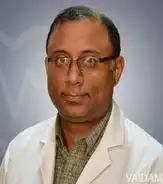
Dr. V. K. Jain

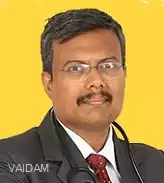
Dr. Pranathi Gutta

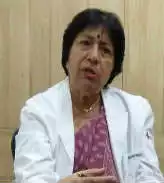
Dr Rakesh Kumar Jain

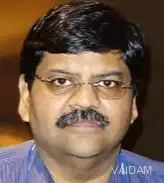
Dr. K. S Rana


Dr. Arijit Chattopadhyay

Dr. Arulmozhi T

Dr. Pratibha Singhi


Dr. Puneet Jain


Dr. Rafat Trivedi


Dr. Rajni Farmania


What Parents of Children with Cerebral Palsy Worry About Most
Cerebral palsy is a non-progressive movement disorder caused by brain injury before, during, or shortly after birth. Parents ask whether the child will walk, talk, go to mainstream school, and live independently. They worry about scoliosis, hip dislocation, seizures, and pain. The brain injury is fixed, but function can keep improving for years with structured therapy, orthopaedic care, spasticity management, and (where indicated) selective dorsal rhizotomy or intrathecal baclofen. Early intervention matters most.
How Cerebral Palsy Is Diagnosed
Diagnosis is clinical, based on persistent motor delay, abnormal tone (spasticity, dystonia, mixed), and primitive reflex persistence. Magnetic resonance imaging of the brain shows the pattern of injury (periventricular leukomalacia, basal ganglia injury, focal infarct, malformation). The Gross Motor Function Classification System grades severity from level one (walks independently) to level five (needs full assistance). Cause workup includes birth history, infection screen, genetic and metabolic testing where the pattern is unusual or the family history positive.
Treatment Options for Cerebral Palsy in India
Treatment is multidisciplinary and lifelong. Physiotherapy, occupational therapy, and speech therapy start early. Spasticity is managed with oral baclofen, tizanidine, diazepam, botulinum toxin injections, intrathecal baclofen pumps, and selective dorsal rhizotomy. Orthopaedic surgery (single-event multilevel surgery) corrects fixed contractures and bony deformities. Hip surveillance with annual pelvic X-rays prevents dislocation. Scoliosis is monitored and braced or fused as needed. Augmentative and alternative communication devices help non-verbal children. Centres at All India Institute of Medical Sciences, National Institute of Mental Health and Neurosciences, Indian Spinal Injuries Centre, Fortis Memorial Research Institute, Medanta, Apollo, and Manipal run dedicated cerebral palsy programmes with selective dorsal rhizotomy and intrathecal baclofen pump capability.
Recovery, Success Rates, and Follow-Up
Outcomes follow the Gross Motor Function Classification System. Most level one and two children walk independently and attend mainstream school. Level three children walk with aids. Levels four and five need wheelchairs and assistance. Selective dorsal rhizotomy in carefully selected ambulatory children improves walking quality long term. Botulinum toxin gives three to four months of focal spasticity relief and pairs well with intensive therapy. Follow-up runs lifelong, with annual hip and spine surveillance and review of therapy goals.
How to Choose the Right Cerebral Palsy Doctor
Choose a paediatric neurologist or developmental paediatrician running a multidisciplinary clinic with physiotherapy, occupational therapy, speech therapy, orthopaedic surgery, and access to botulinum toxin, intrathecal baclofen pump, and selective dorsal rhizotomy. Ask about Gross Motor Function Classification System assessment, hip surveillance protocols, and adult transition planning. A clinic without orthopaedic and spasticity surgery links is incomplete for severe cases.
International Patient Support
Cerebral palsy care in India, including selective dorsal rhizotomy and intrathecal baclofen pump implantation, costs far less than in Western countries with experienced teams and large case volumes. Cancer Rounds arranges the medical visa invitation letter, accommodation, multilingual support in eleven plus languages, and a single case manager throughout. Families travel from Nigeria, Bangladesh, Kenya, Ethiopia, Iraq, Oman, and the United Arab Emirates for spasticity surgery and multidisciplinary cerebral palsy care.
Frequently Asked Questions
Will my child walk?
Most children at Gross Motor Function Classification System levels one and two walk independently. Level three walk with aids. Levels four and five use wheelchairs. The early classification predicts long-term mobility well.
Is cerebral palsy progressive?
The brain injury is non-progressive, but musculoskeletal problems (contractures, hip displacement, scoliosis) can worsen if not actively managed. Structured surveillance and timely surgery prevent secondary deterioration.
What is selective dorsal rhizotomy?
A neurosurgical procedure that cuts selected sensory nerve rootlets in the lower spinal cord to reduce spasticity permanently. It is used in carefully chosen ambulatory children with spastic diplegia, typically between ages three and ten, paired with intensive postoperative therapy.
Does botulinum toxin help?
Yes for focal spasticity. Each injection gives three to four months of relief and allows more effective physiotherapy. It is repeated every three to four months as needed and is safe in children when dosed correctly.
When is orthopaedic surgery done?
Single-event multilevel surgery is usually planned between ages seven and twelve, after gait analysis identifies all the deformities to correct in one operation. Recovery and rehabilitation take six to twelve months.
Will my child go to mainstream school?
Many children with cerebral palsy, especially levels one to three, attend mainstream school with appropriate support. Cognition varies widely and is independent of motor severity. Early educational assessment guides school placement.