Best Preeclampsia Treatment Doctors in India

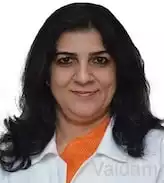
Dr. Nutan Agarwal


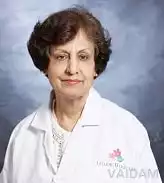
Dr. Sumana Manohar


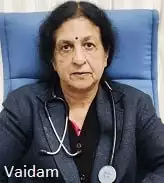
Dr. Shakti Bhan Khanna


Dr. Rooma Sinha


Dr. G.N. Mansukhani

Dr. Anjali Bugga


Dr. Purnima Satoskar


What Women with Preeclampsia Worry About Most
Preeclampsia disrupts a pregnancy that may have been going well. Blood pressure rises, protein appears in the urine, and the question becomes whether to keep going for the baby’s lung maturity or deliver early for the mother’s safety. Women ask whether the baby will be born too early, whether they will need magnesium sulphate, whether the condition will recur in future pregnancies, and what the long-term effects on cardiovascular health are. Early recognition and timely delivery at the right centre save both mothers and babies.
How Preeclampsia Is Diagnosed
The diagnosis requires new onset of hypertension (systolic over one hundred forty or diastolic over ninety) after twenty weeks of pregnancy, combined with proteinuria (over three hundred milligrams in twenty-four hours or a protein-creatinine ratio over zero point three) or signs of organ dysfunction. Severe features include systolic over one hundred sixty, diastolic over one hundred ten, severe headache, visual disturbance, epigastric pain, low platelets, raised liver enzymes, kidney impairment, or pulmonary oedema. Laboratory tests check complete blood count, liver and kidney function, urate, and lactate dehydrogenase. Fetal monitoring includes growth scans, amniotic fluid assessment, and umbilical artery Doppler.
Treatment Options for Preeclampsia in India
Antihypertensive therapy with labetalol, methyldopa, or nifedipine controls blood pressure. Magnesium sulphate prevents and treats eclamptic seizures and is given for severe preeclampsia from admission through twenty-four hours postpartum. Antenatal corticosteroids mature fetal lungs when preterm delivery is anticipated between twenty-four and thirty-four weeks. Delivery is the definitive treatment, and timing is individualised: thirty-seven weeks for non-severe disease, thirty-four weeks for severe disease, and earlier when maternal or fetal condition deteriorates. Mode of delivery depends on cervical favourability, gestational age, and severity. After delivery, blood pressure usually normalises within six weeks but may need short-term medication. HELLP syndrome (haemolysis, elevated liver enzymes, low platelets) needs urgent delivery. Fortis Memorial Research Institute, Medanta, Apollo, BLK-Max, Manipal, and All India Institute of Medical Sciences have dedicated high-risk obstetric units for preeclampsia management.
Recovery, Success Rates, and Follow-Up
Maternal mortality from preeclampsia in well-managed Indian tertiary centres is very low. Preterm delivery is common, especially in severe disease. Neonatal outcomes depend on gestational age at delivery and are usually good with access to neonatal intensive care. Recurrence rate in future pregnancies is fifteen to twenty percent, higher with severe early-onset disease. Long-term cardiovascular risk is approximately doubled, so blood pressure monitoring, lifestyle measures, and annual screening are essential lifelong.
How to Choose the Right Doctor
Look for an obstetrician working in a high-risk pregnancy unit with neonatal intensive care, anaesthesia, and laboratory backup. Ask whether magnesium sulphate is used per protocol, whether antenatal corticosteroids are given in suspected preterm delivery, whether HELLP syndrome is recognised and managed promptly, and whether postpartum follow-up addresses long-term cardiovascular risk. For early severe disease, choose a tertiary centre with neonatal intensive care for very preterm infants.
Support for International Patients
High-risk obstetric care for preeclampsia in India, including neonatal intensive care for preterm infants, costs a fraction of equivalent care in the United Kingdom, United States, or Middle East. Cancer Rounds arranges the medical visa invitation letter, airport pickup, accommodation near the treatment hospital, multilingual support in eleven plus languages, and full coordination with the obstetric and neonatal teams. Patients from Nigeria, Bangladesh, Oman, Kuwait, Qatar, Kenya, Uganda, Tanzania, Ghana, Ethiopia, Cameroon, Mauritius, Mozambique, Senegal, Zimbabwe, Zambia, Guinea, Liberia, Madagascar, South Sudan, Qatar, Chad, Sierra Leone, Congo, Iraq & Uzbekistan, and other countries travel to India for high-risk pregnancy care every year.
Frequently Asked Questions
Will my baby be born too early?
Preterm delivery is common in preeclampsia, especially severe early-onset disease. Antenatal corticosteroids mature fetal lungs and modern neonatal intensive care manages even very preterm babies well. The timing balances maternal safety with fetal benefit.
What is magnesium sulphate?
Magnesium sulphate is a medication given intravenously to prevent and treat eclamptic seizures in severe preeclampsia. It is given during labour and for twenty-four hours after delivery. It causes a feeling of warmth and sometimes nausea but is highly effective and safe under monitoring.
Will preeclampsia happen again in my next pregnancy?
Recurrence rate is fifteen to twenty percent overall, higher (around forty percent) with severe early-onset disease. Low-dose aspirin from twelve weeks reduces recurrence by about fifteen percent in high-risk women. Pre-pregnancy counselling helps plan future pregnancies.
What is HELLP syndrome?
HELLP syndrome is a severe form of preeclampsia with haemolysis, elevated liver enzymes, and low platelet count. It is dangerous and needs urgent delivery regardless of gestational age, along with magnesium sulphate, blood pressure control, and sometimes blood product support.
Will my blood pressure stay high after delivery?
Blood pressure usually normalises within six weeks postpartum. Some women need short-term antihypertensive medication. Persistent hypertension beyond three months suggests pre-existing hypertension and needs long-term management.
What about my long-term heart health?
Women who have had preeclampsia have approximately double the lifetime risk of cardiovascular disease. Annual blood pressure checks, healthy weight, regular exercise, no smoking, and metabolic screening are important lifelong measures.