Neurosurgery in Germany – Top Quality Care
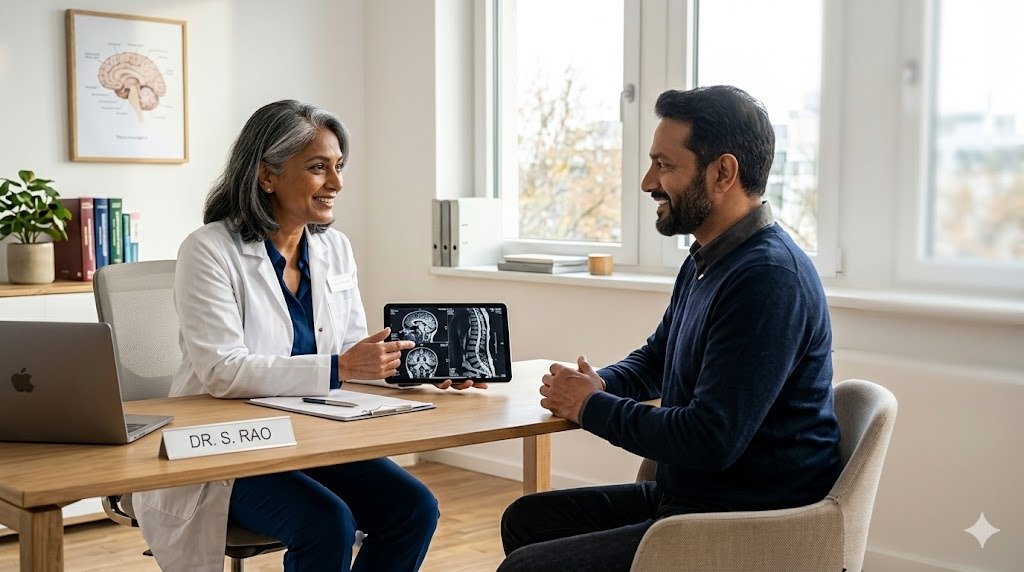
German neurosurgeons combine technology with technique to operate on the brain while protecting speech, movement, and memory. Awake craniotomy lets surgeons map critical brain areas with the patient responding to commands; 5-ALA dye makes cancer cells glow pink during the operation; and intraoperative MRI confirms how much tumour has been removed before closing.
Accredited Partner Hospitals
End-to-End Care Coordination
Visa and Travel Assistance
Language Interpreter Assistance
Get Your Treatment Plan and Quote
Reply in 4 hours · Plan and quote in 2 days · 100% confidential
Germany stands at the forefront of global neurosurgical excellence, offering a confluence of medical precision, technological innovation, and evidence-based clinical practice. With a robust infrastructure anchored in university-affiliated hospitals and specialised neurological centres, the country has emerged as a premier destination for patients seeking sophisticated interventions for complex brain, spinal, and peripheral nerve disorders. German neurosurgeons are internationally recognised for pioneering minimally invasive techniques, integrating artificial intelligence, robotic assistance, and intraoperative imaging to elevate surgical accuracy and patient outcomes. Whether addressing malignant brain tumours, neurovascular anomalies, or degenerative spine conditions, neurosurgery in Germany embodies a seamless fusion of science, skill, and compassionate care.
Evolution & Innovation: A Historical and Technological Perspective
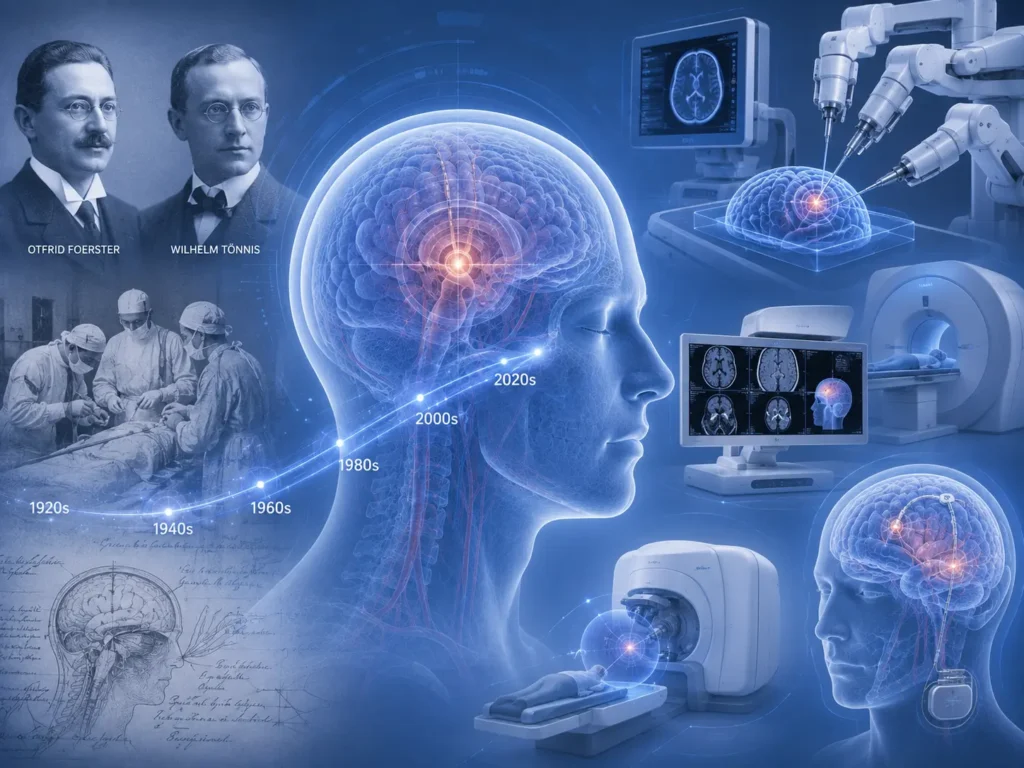
Germany’s legacy in neurosurgery is deeply rooted in academic rigour and scientific discovery. Dating back to the early 20th century, German neurosurgeons such as Otfrid Foerster and Wilhelm Tönnis were instrumental in shaping modern neurosurgical principles, ranging from functional brain mapping to systematic tumour classification. Over the decades, Germany has continued to lead in neurosurgical advancements, consistently integrating evolving technologies into patient care.
Today, Germany remains a pioneer in precision neurosurgery, fuelled by breakthroughs in neuronavigation, robotics, intraoperative imaging, stereotactic radiosurgery, and deep brain stimulation. These technologies are seamlessly embedded into clinical workflows, ensuring interventions are not only effective but also safer and less invasive.
ophthalmology
Specialist-led care
biotech
Advanced diagnostics
health_and_safety
Day-care safety
Patient-Centric Benefits of Neurosurgery in Germany
| Aspect | Benefits to Patients |
| Technological Excellence | Access to AI-assisted neuronavigation, intraoperative MRI, and robotic microsurgery |
| Minimally Invasive Approaches | Reduced scarring, faster recovery, and lower infection risk |
| Experienced Multidisciplinary Teams | Collaborative care from neurologists, oncologists, radiologists, and rehab specialists |
| International Patient Services | Multilingual support, second-opinion access, personalised care pathways |
| Outcome-Driven Protocols | High gross total resection rates, reduced complication risk, and superior survival metrics |
| Research-Linked Facilities | Treatments informed by the latest clinical trials and neuro-oncological studies |

Understanding Pathomechanism
Neurosurgical disorders encompass a broad spectrum of conditions originating from structural or functional abnormalities within the central or peripheral nervous system, including the brain, spinal cord, and cranial or spinal nerves. These pathologies may manifest as intracranial neoplasms (such as gliomas and meningiomas), cerebrovascular anomalies (like arteriovenous malformations and aneurysms), degenerative spinal disorders (e.g., herniated intervertebral discs), traumatic injuries, hydrocephalus, and refractory epilepsy.
Malignant entities such as gliomas are particularly insidious due to their infiltrative nature, often invading eloquent brain regions. Their surgical management necessitates a delicate balance between oncological radicality and neurological preservation. To achieve this, contemporary neurosurgical practice employs state-of-the-art intraoperative adjuncts, including functional MRI, diffusion tensor imaging (DTI), neuronavigation systems, and fluorescence-guided resection, which collectively enable maximal safe tumour excision, optimise postoperative outcomes, and significantly improve disease-free survival while minimising neurological morbidity.
Cutting‑Edge Innovations & Major Advances
Germany continues to redefine the landscape of modern neurosurgery through relentless technological advancement and clinical integration. One of the most significant developments has been the adoption of image-guided navigation and robotic-assisted surgery, pioneered by leading med-tech companies such as Brainlab in Munich. These systems allow neurosurgeons to operate with pinpoint accuracy using real-time imaging, ensuring maximum lesion resection while sparing vital structures. Another revolutionary stride is the development of quantum sensor imaging, particularly through the PoQus initiative in Dresden. By utilising superconducting nanowire detectors, surgeons can now delineate tumour margins at the subcellular level, offering previously unattainable precision in oncological brain surgery.
Equally transformative is the application of hyperspectral intraoperative imaging, in which machine-learning algorithms analyse tissue spectral patterns to differentiate tumour from normal brain tissue during surgery. This allows for a more aggressive yet safe tumour removal, particularly in high-grade gliomas.
In the realm of access and instrument miniaturisation, Germany is at the forefront of soft robotic and flexible endoscopic systems. These novel devices allow minimally invasive entry into deep or otherwise inaccessible brain regions, dramatically reducing operative trauma, especially in pediatric or skull-base neurosurgery.
Additionally, virtual reality has become a strategic ally in surgical planning. Tools such as the Dextroscope enable surgeons to rehearse complex procedures in a three-dimensional, interactive environment, thus optimising strategy and reducing intraoperative uncertainty.
Summary Table of Technological Advancements in German Neurosurgery
| Innovation | Functionality | Clinical Impact |
| Image-Guided Navigation & Robotics | Combines real-time imaging with robotic assistance | Enhances surgical precision, reduces collateral damage |
| Quantum Sensor Imaging | Detects ultra-fine tumour boundaries using superconducting nanotechnology | Enables sub-millimetric accuracy in tumour resection |
| Hyperspectral Intraoperative Imaging | Uses spectral data and AI to differentiate tumour from healthy tissue | Improves glioma resection rates; reduces residual tumour burden |
| Soft Robotic & Flexible Endoscopes | Minimally invasive access to deep-seated brain regions | Reduces tissue trauma, postoperative pain, and recovery time |
| Virtual Reality Surgical Planning | Simulates complex interventions preoperatively in 3D | Improves intraoperative decision-making and patient safety |
Types of Neurosurgery Techniques in Germany
Germany is globally recognised for its cutting-edge neurosurgery procedures, performed with precision, innovation, and minimally invasive techniques. Below are the key neurosurgical methods available in leading German hospitals:
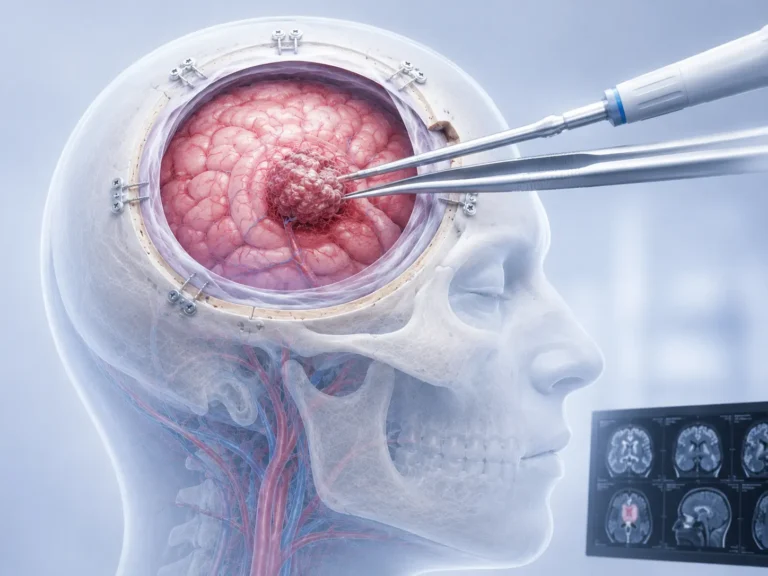
Craniotomy & Skull-Base Surgery in Germany
- Used for: Brain tumors, vascular malformations, and cranial trauma
- Germany’s top neurosurgeons perform skull-base craniotomies using advanced navigation systems for safer, more effective outcomes.
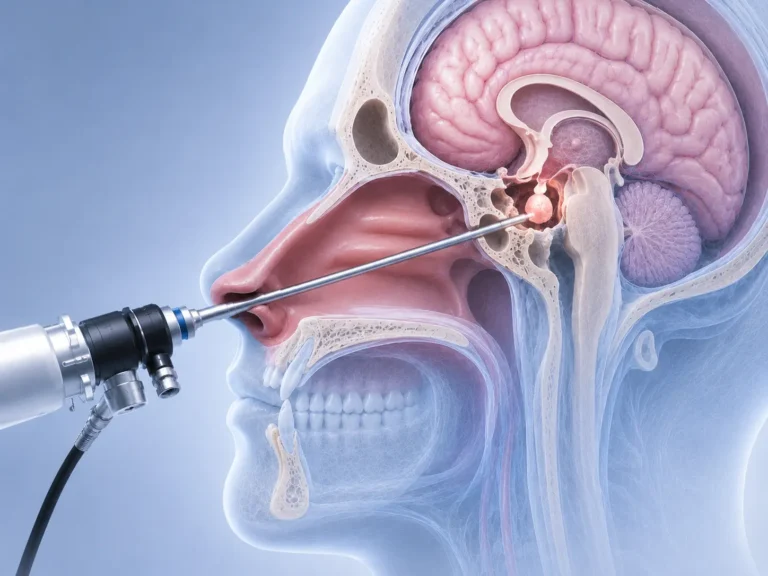
Endoscopic Neurosurgery & Transsphenoidal Approaches
- Focus: Minimally invasive surgery for pituitary tumors and skull-base lesions
- German hospitals offer endoscopic transsphenoidal techniques with reduced recovery time and minimal scarring.
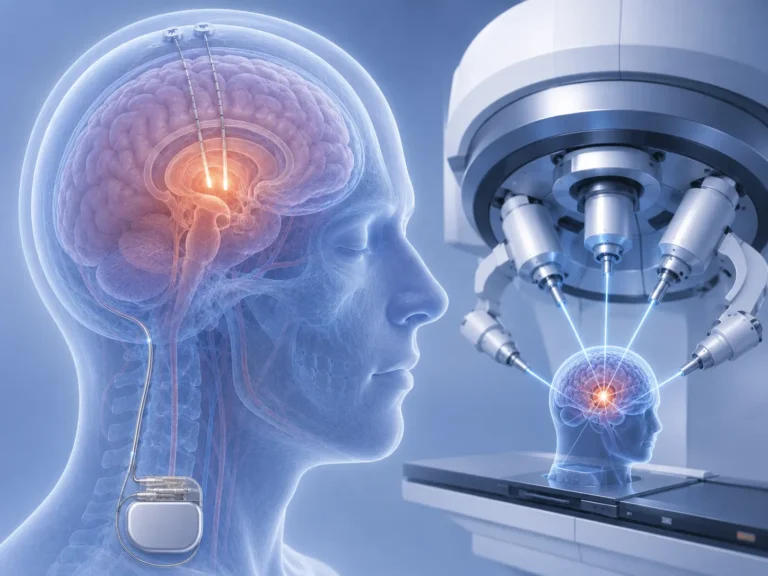
Deep Brain Stimulation (DBS) & Stereotactic Radiosurgery
- Conditions treated: Parkinson’s disease, essential tremor, epilepsy, chronic pain
- Technologies: Gamma Knife, CyberKnife, and robotic-assisted DBS implantation
- Germany leads Europe in functional neurosurgery using stereotactic guidance.
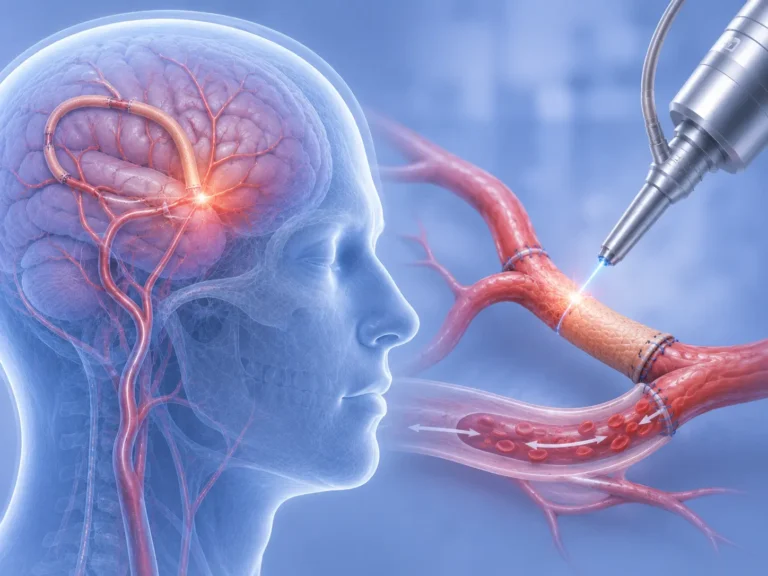
Excimer Laser-Assisted Non-Occlusive Anastomosis (ELANA)
- A pioneering method used in complex cerebral bypass surgeries
- Available at select university hospitals in Germany, ELANA enables bypass without temporary vessel occlusion — crucial for treating brain aneurysms and AVMs.
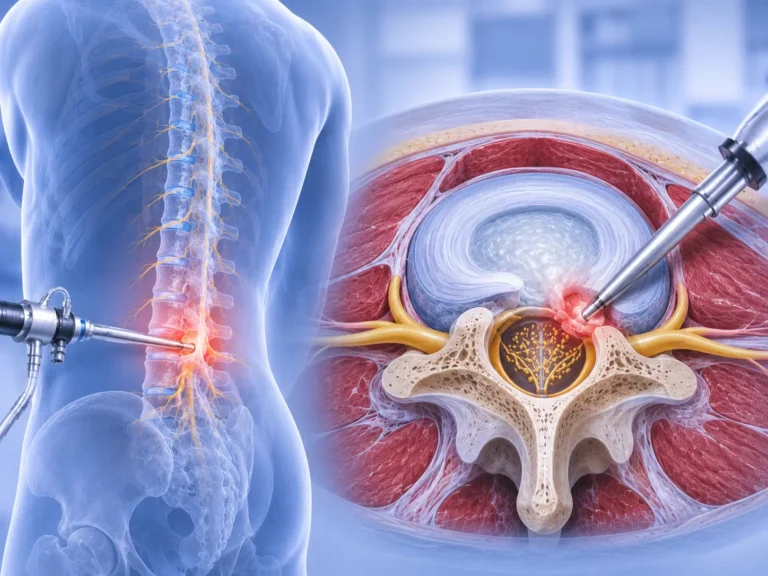
Lumbar Microdiscectomy & TESSYS Method
- For: Herniated discs, nerve compression, sciatica
- TESSYS (Transforaminal Endoscopic Surgical System) is a minimally invasive spinal surgery technique developed and widely used in Germany.
- Benefits: Less pain, quicker recovery, outpatient treatment options
Indications & Contraindications
Appropriate Indications:
- Brain tumours (gliomas, meningiomas, metastases)
- Vascular lesions (aneurysms, arteriovenous malformations)
- Degenerative spine conditions and disc herniation
- Hydrocephalus or intracranial pressure requiring drainage
- Drug‑resistant epilepsy
- Movement and psychiatric disorders requiring DBS
Contraindications:
- Poor general health or severe comorbidities
- Advanced age with high surgical risk
- Multifocal widespread disease where benefits are minimal
- Patients who cannot undergo anaesthesia or imaging
How Much Does Neurosurgery Cost in Germany?
The cost of neurosurgical treatments varies widely based on the hospital, the specific procedure, and the patient’s insurance coverage. A craniotomy for tumour removal in Germany typically costs between €15,000 and €40,000. Deep Brain Stimulation (DBS) surgery in Germany costs between €25,000 and €40,000. Endoscopic disc surgery using the TESSYS method generally costs between €5,000 and €12,000, while Gamma Knife radiosurgery, a non-invasive procedure, usually ranges from €8,000 to €15,000.
Treatment costs vary by hospital, type of surgery, and insurance status:
- Craniotomy for tumour: €15,000–€40,000
- DBS surgery: around €25,000–€40,000
- Endoscopic disc surgery (TESSYS): €5,000–€12,000
- Gamma Knife radiosurgery: €8,000–€15,000
Major centres offering such care include Berlin (Charité), Munich (LMU, University Hospital), Heidelberg (University Hospital), Mannheim (Neurosurgery & Cancer Centre), and Dresden (NCT/UCC, University Hospital Berlin/NCT system).
Need a Personalised Cost Estimate?
Share your medical reports to receive a personalised treatment plan, cost estimate, and expert guidance from Germany's leading neurosurgery hospitals.
Best Neurosurgery Hospital and Centres in Germany
local_hospital
Charité – Berlin
Europe’s largest university hospital; internationally renowned for brain tumour surgery and neurovascular interventions (glioblastoma, meningioma)
local_hospital
University Hospital Heidelberg / Mannheim
Leading research hospital for brain cancer and minimally invasive interventions, interlinked with DKFZ cancer centre
local_hospital
Munich (LMU / TU Munich)
Home to Brainlab innovations, image‑guided neurosurgery, robotics, and TESSYS spinal technique
local_hospital
Dresden (University Hospital / NCT)
Collaborating on a quantum sensor imaging project to enhance tumour detection
Success Metrics
- Gross total resection (GTR) success in glioma and meningioma: ~ 70–90%
- Disease‑free survival (DFS) and lower local recurrence rates thanks to image‑aided navigation
- DBS: targeting accuracy ~0.8 mm, <1% major complications; workflow improvements doubled procedures in some centres
Why Choose Germany For Neurosurgery Treatment?
network_intel_node
Technology‑forward approach: AI‑powered imaging, robotics, quantum sensors
verified_user
High surgeon experience with European excellence certifications
request_quote
Regulated, transparent costs and public/private insurance access
health_and_safety
Low infection rates and optimised surgical workflows for greater safety and efficiency
Choose the Right Neurosurgeon with Confidence
Our medical experts will help you connect with Germany's leading neurosurgeons, compare hospitals, and plan your treatment journey at no cost.
Four Inspiring Patient Success Stories
- Glioblastoma victory – A patient initially given a prognosis of < 1 year found renewed hope through intraoperative hyperspectral imaging and radical resection in Berlin, achieving prolonged DFS and quality of life.
- Movement Disorder miracle – In Munich, a DBS recipient regained control over Parkinson’s tremors and resumed daily life within weeks of surgery with minimal side effects.
- Spine‑pain freedom – Through TESSYS endoscopic microdiscectomy in Munich, a young patient with a herniated lumbar disc became pain‑free and mobile within days.
- Complex vascular bypass – Using the ELANA technique in Heidelberg, a patient with an aneurysm and avoidance of major stroke complications emerged with intact cognition and function.
Top Neurosurgeons in Germany
Excellence in Advanced Neurosurgical Care
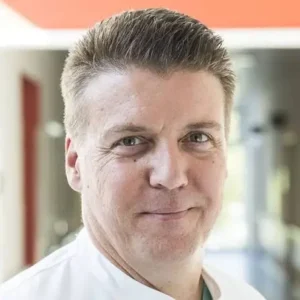
Prof. Ralf Buhl
Neur-Spine Surgeon
MD, PhD, PD
location_on Städtisches Klinikum Solingen (Academic Hospital Solingen / Municipal Clinical Hospital Solingen), Germany
schedule 30+ Years of Experience
medical_services 4000+ Surgeries Performed
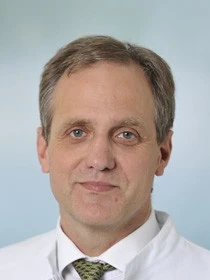
Dr. Paul Kremer
Neurosurgeon
location_on Asklepios Nord Hospital, Germany
schedule 20+ Years of Experience

Dr. Uwe Kehler
Neurosurgeon
Medical Graduation in General Medicine, Doctor of Medicine (Dr. med.), Honorary Doctorate (Dr. h.c.), Professorship (Prof. Dr. med.)
location_on Asklepios Klinik Altona, Hamburg
schedule 37+ Years of Experience
medical_services 2,000+ Surgeries Performed

Dr. Peter Ulrich
Neurosurgeon
location_on Nordwest Hospital, Frankfurt
schedule 49+ Years of Experience
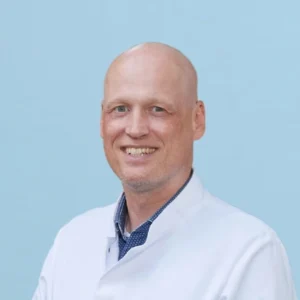
Dr. Sven Nagel
Spine Specialist
location_on Asklepios Klinik St. Georg, Hamburg
schedule 15 Years of Experience
FAQs Related to Neurosurgery in Germany
Everything You Need to Know Before Your Consultation
Q1: What is minimally invasive neurosurgery in Germany? expand_more
Ans: Minimally invasive neurosurgery in Germany refers to advanced surgical approaches, such as TESSYS, neuroendoscopy, robotic-assisted microsurgery, and stereotactic techniques, designed to access the brain or spine through the smallest possible incisions. These methods reduce trauma to surrounding tissues, shorten hospital stays, minimise scarring, and significantly speed up post-operative recovery. Patients benefit from a faster return to daily life, with fewer complications and less pain.
Q2: How successful is brain tumour surgery in Germany? expand_more
Ans: Brain tumour surgery in Germany boasts high success rates due to precise imaging, surgical navigation, and intraoperative monitoring. For example, gross total resection (GTR) rates in low- and high-grade gliomas can reach up to 90%, and disease-free survival (DFS) is notably improved when surgery is combined with adjuvant therapies. Most university hospitals also conduct tumour board reviews (interdisciplinary cancer rounds) in which neurosurgeons, oncologists, radiologists, and pathologists collaborate on each case to ensure the most effective and personalised treatment plan. This team-based approach ensures that patients receive care that is both technically superior and deeply compassionate.
Q3: What is the cost range for deep brain stimulation (DBS) in Germany? expand_more
Ans: The average cost of deep brain stimulation (DBS) in Germany ranges from €25,000 to €40,000, depending on the hospital, the type of implanted device, and the complexity of the procedure. This includes the cost of preoperative assessments, surgical implantation, and follow-up programming. Despite being a high-end procedure, Germany offers cost transparency and various packages for international patients, often with faster access to expert care compared to many other countries.
Q4: Are English-speaking patients accommodated? expand_more
Ans: Absolutely. Most major hospitals in Germany that cater to international patients have dedicated international departments offering services in English and other languages. From bilingual medical staff and on-site interpreters to translation of medical reports and medical concierge services, everything is structured to ensure that non-German-speaking patients feel fully supported throughout their journey, from diagnosis to discharge and follow-up care.
Q5: What innovations are coming soon in neurosurgery? expand_more
Ans: Germany remains at the cutting edge of neurosurgical innovation. The coming years will see the integration of quantum sensor technology for micro-level tumour detection, soft-robotic endoscopic systems for navigating deep and delicate brain regions, and hyperspectral intraoperative imaging powered by AI to improve real-time tumour delineation. Additionally, virtual reality-based surgical simulation will become routine, enabling safer, more precise interventions, especially in complex skull base and paediatric neurosurgery.
Q6: What role do interdisciplinary cancer rounds play in neurosurgical care? expand_more
Ans: Interdisciplinary cancer rounds, often called tumour boards, are a hallmark of high-quality neurosurgical oncology in Germany. These sessions bring together specialists from multiple disciplines: neurosurgery, neuro-oncology, radiology, pathology, and radiation therapy. Each patient’s case is reviewed in detail, enabling a comprehensive plan tailored to tumour type, genetics, and overall health. This collaborative model ensures that decisions are evidence-based, ethically sound, and optimally suited to the individual patient—improving both survival and quality of life.
Q7: Are follow-up and rehabilitation services available after surgery? expand_more
Ans: Yes. Post-operative care in Germany extends far beyond the operating room. Patients benefit from world-class neurological rehabilitation centres, where recovery is supported by physiotherapists, neuropsychologists, speech therapists, and occupational specialists. Whether for motor function recovery or cognitive support, these structured programs are designed to restore independence and ensure long-term well-being.
Q8: Can international patients get a second opinion before travelling? expand_more
Ans: Definitely. Many top German neurosurgical centres offer remote second opinion services through secure online platforms. Patients can submit their imaging scans and reports for evaluation by senior consultants. This allows for a detailed pre-arrival consultation, giving patients confidence and clarity before committing to travel for treatment.
Q9: How long is the typical hospital stay for brain surgery in Germany? expand_more
Ans: The average hospital stay for neurosurgical procedures, such as brain tumour removal, ranges from 5 to 10 days, depending on the procedure's complexity and the patient's general condition. Minimally invasive procedures often allow earlier discharge. Follow-up consultations, imaging, and rehabilitation planning are often organised seamlessly within the same facility to avoid unnecessary transfers.
Q10: Is health insurance or financial planning assistance available for international patients? expand_more
Ans: Yes. Many hospitals provide financial counselling to assist international patients with cost estimates, insurance documentation, and payment plans. While some private or travel insurance plans may cover neurosurgery abroad, German institutions offer self-pay packages with clear breakdowns of preoperative, surgical, and postoperative services, helping patients plan with confidence.
References
- NCI – Adult Brain and Spinal Cord Tumors Treatment
- Onkopedia – Gliomas Guidelines
- ESMO – Neuro-Oncology Guidelines
- NCCN – Central Nervous System Cancers Guidelines
- German Society for Neurology (DGN)
- German Society for Neurosurgery (DGNC)
- German Cancer Research Center (DKFZ)
- German Cancer Society
- Federal Joint Committee (G-BA)
- Particle Therapy Co-Operative Group (PTCOG)
- ClinicalTrials.gov – Neurosurgery Trials
- German Clinical Trials Register (DRKS)