Best Primary Sclerosing Cholangitis Treatment Doctors in India

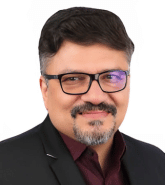
Dr. Murugan N

Dr. Murugan N

Hepato-Pancreato-Biliary Surgeon, Liver Transplant Surgeon
Senior Consultant Hepatologist & Transplant Physician
18+ years of experience
Apollo Hospitals, Greams Road, Chennai - India
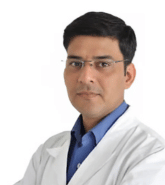
Dr. Sanjiv Saigal

Dr. Sanjiv Saigal

Gastroenterology, Hepatology & Endoscopy, Liver Transplant Surgeon
Principal Director & Hepatology & Liver Transplant Medicine Head
31+
Max Super Speciality Hospital, Saket - India
Dr. Charles Panackel

Dr. Charles Panackel

Liver Transplant Surgeon
Senior Consultant
15+ years of experience
Aster Medcity Kochi - India


    Get FREE Evaluation

    Treatment plan and quote within 2 days

    FREE, No-Obligation Expert Evaluation

    👥 Trusted by Over 10,000 Patients Worldwide

    🤝 Expert Handholding at Every Step

    Your information is safe and confidential.

    Dr. Mallikarjun Sakpal

    Dr. Mallikarjun Sakpal

    Hepatologist
    Consultant
    17+ years of experience
    Aster CMI Hospital, Hebbel, Bangalore - India
    Dr. Narendra Singh Choudhary

    Dr. Narendra Singh Choudhary

    Hepatologist
    Associate Director
    14+ years of experience
    Medanta Hospital, Gurgaon - India
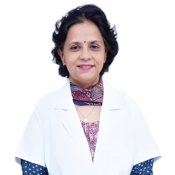
    Dr. Geeta Malkan Billa

    Dr. Geeta Malkan Billa

    Liver Transplant Surgeon, Surgical Gastroenterologist
    Consultant
    30+ years of experience
    Dr. L H Hiranandani Hospital, Mumbai - India
    Dr. Kartik Desai

    Dr. Kartik Desai

    Urologist
    Consultant
    15+ years of experience
    KD Hospital Ahmedabad - India

    What Patients with Primary Sclerosing Cholangitis Worry About Most

    Primary sclerosing cholangitis is a chronic disease that scars the inside and outside bile ducts, causing strictures and eventually cirrhosis. Patients worry about cholangitis attacks, about cholangiocarcinoma, about the link with inflammatory bowel disease, and about needing a liver transplant. Many are young men already on ursodeoxycholic acid with raised alkaline phosphatase. The honest position is that no medical therapy reliably slows primary sclerosing cholangitis, but careful surveillance and endoscopic management of dominant strictures preserve liver function for years. Liver transplantation is the definitive treatment and has excellent outcomes.

    How Primary Sclerosing Cholangitis Is Diagnosed

    Diagnosis is made by magnetic resonance cholangiopancreatography showing the characteristic beaded appearance of intra- and extra-hepatic bile ducts. Liver function tests show a cholestatic pattern. Anti-neutrophil cytoplasmic antibodies are often positive but non-specific. Liver biopsy is used selectively to grade fibrosis or diagnose small duct disease where cholangiogram is normal. Colonoscopy is mandatory at diagnosis since around seventy percent of patients have inflammatory bowel disease, often mild and quiescent at presentation. Carbohydrate antigen 19-9 and imaging surveillance look for cholangiocarcinoma.

    Treatment Options for Primary Sclerosing Cholangitis in India

    No medical therapy reliably slows progression. Ursodeoxycholic acid at moderate doses (thirteen to fifteen milligrams per kilogram per day) improves biochemistry without clear survival benefit and is used in selected patients. High doses (above twenty-eight milligrams per kilogram) are harmful and avoided. Endoscopic retrograde cholangiopancreatography with balloon dilation, with or without short-term stenting, treats dominant strictures that cause jaundice, itching, or cholangitis. Antibiotics manage acute cholangitis. Inflammatory bowel disease is treated by a gastroenterologist with standard therapy. Surveillance colonoscopy is offered annually because colon cancer risk is high. Imaging and tumour markers screen for cholangiocarcinoma. Liver transplantation is the only treatment that improves long-term survival in advanced disease. Institute of Liver and Biliary Sciences, Fortis Memorial Research Institute, Medanta, Apollo Hospitals, Asian Institute of Gastroenterology, and All India Institute of Medical Sciences run dedicated primary sclerosing cholangitis programmes.

    Recovery, Success Rates, and Follow-Up

    Median time from diagnosis to liver transplantation or death is around twenty years in adults. Endoscopic balloon dilation of dominant strictures relieves jaundice and cholangitis in most cases and may be needed periodically. Liver transplantation has five-year survival above seventy-five percent, with recurrence of primary sclerosing cholangitis in the graft in around twenty percent at ten years. Cholangiocarcinoma develops in around ten to fifteen percent over a lifetime and is the major cause of death from the disease. Surveillance reduces both cholangiocarcinoma and colon cancer mortality.

    How to Choose the Right Hepatobiliary Unit for Primary Sclerosing Cholangitis

    Ask the unit about volumes of endoscopic retrograde cholangiopancreatography for primary sclerosing cholangitis, cholangioscopy for indeterminate strictures, multidisciplinary hepatobiliary meetings, and the link with a liver transplant programme. Ask about the personalised plan for cholangiocarcinoma surveillance and inflammatory bowel disease care under one roof. Ask about colonoscopy with chromoendoscopy for dysplasia surveillance.

    International Patient Support

    International patients receive a single coordinator who arranges hepatology and gastroenterology consults, magnetic resonance cholangiopancreatography, endoscopic retrograde cholangiopancreatography, colonoscopy, and transplant evaluation. The Cancer Rounds team supports medical visa invitation letters, accommodation, airport transfers, and multilingual support in eleven plus languages. Patients arrive from Nigeria, Bangladesh, Kenya, Ethiopia, Iraq, Oman, and the United Arab Emirates for primary sclerosing cholangitis care. A written long-term plan and cost estimate are shared before travel.

    Frequently Asked Questions

    Why does primary sclerosing cholangitis link with inflammatory bowel disease?

    Around seventy percent of patients with primary sclerosing cholangitis have inflammatory bowel disease, usually ulcerative colitis. The shared autoimmune mechanism is not fully understood. Annual surveillance colonoscopy is essential because colon cancer risk is significantly increased.

    Will I get cholangiocarcinoma?

    Cholangiocarcinoma develops in around ten to fifteen percent of patients over a lifetime, most often in the first two years after diagnosis. Annual magnetic resonance cholangiopancreatography and carbohydrate antigen 19-9 are part of surveillance. Suspicious strictures are evaluated with cholangioscopy.

    Does ursodeoxycholic acid help?

    Ursodeoxycholic acid improves liver biochemistry in most patients without clear survival benefit. Moderate doses are used in selected patients. High doses above twenty-eight milligrams per kilogram per day are harmful and avoided.

    What is a dominant stricture?

    A dominant stricture is a narrowing of one of the larger bile ducts that causes jaundice, itching, or cholangitis. It is treated by endoscopic balloon dilation with or without short-term stenting. Biopsy and cytology rule out cholangiocarcinoma.

    When is liver transplantation needed?

    Liver transplantation is offered for decompensated cirrhosis, intractable itching, recurrent cholangitis not controlled by antibiotics, and selected early hilar cholangiocarcinoma under the Mayo protocol. Outcomes are excellent in dedicated transplant centres.

    Is colon cancer screening different for primary sclerosing cholangitis?

    Yes. Patients with primary sclerosing cholangitis and inflammatory bowel disease need annual colonoscopy starting from primary sclerosing cholangitis diagnosis, with chromoendoscopy or high-definition imaging to detect early dysplasia. This is the most intensive bowel cancer surveillance offered.

    COnnect with Top

    Connect with top oncologists and start your healing journey.

    Additional Resources

    Best Maxillectomy Doctors in India Best Doctors for Kidney Failure in India Best Laparoscopic Myomectomy Doctors in India Best Doctors for Hernia in India Best Pediatric Craniotomy Doctors in India Best Angioplasty and Stenting Doctors in India Best Minimal Invasive Spine Surgery Doctors in India Best Oncologists at Max Hospital, Patparganj, Delhi Best Oncologists at Indraprastha Apollo Hospital, New Delhi Best Oncologists at Apollo Cancer Hospital, Chennai Best Oncologists at Jaslok Hospital Mumbai Best Oncologists at Rajiv Gandhi Cancer Hospital, Delhi Best Oncologists in Sir Ganga Ram Hospital, New Delhi Best Appendix Cancer Treatment Doctors in India Best Head and Neck Cancer Doctors in India Best Hormonal Therapy Doctors In India Best Epilepsy Specialist in India Best Non-Hodgkin Lymphoma Doctors in India Best Targeted Therapy Doctors in India Best Kidney Transplant Doctors in Chennai Best Hematology Oncologist in india Best Oncologist in India Best Ovarian Cancer Doctors in India Best Bile Duct Cancer Doctors in India Best Chondrosarcoma Doctors in India Best Endometrial Cancer Doctors in India Best Uterus Cancer Doctors in India Best Spinal Cord Tumours Doctors in India Top CyberKnife Radiosurgery Doctors in India Best Gamma Knife Radiosurgery Doctors In India Best Multiple Myeloma Doctors in India Best Immunotherapy Doctors in India Best Cervical Cancer Doctors in India Best Neurosurgeons in India Best Pituitary Gland Tumours Doctors in India Best Leukemia Doctors in India Best Liver Cancer Doctors in India Best CAR-T Cell Therapy Doctors in India Best Gallbladder Cancer Doctors in India Best Lung Cancer Treatment Doctors in India Best Doctors for Stomach Cancer Treatment in India Best Bone Marrow Transplant Doctors in India Best Prostate Cancer Doctors in India Top Mouth Cancer Doctors in India Best Doctor For Skin Cancer Treatment in India Best Brain Tumor Treatment Doctors in India Best Blood Cancer Doctors in India Best Thyroid Cancer Doctors in India Best Testicular Cancer Doctors in India Best Colon Cancer Doctors in India ​Best Breast Cancer Doctors in India Best Throat Cancer Doctors in India

    Our Impact

    CancerRounds is making quality care accessible to patients around the world

    Send your reports
    5000+ Specialists
    Send your reports
    500+ Partner Hospitals
    Send your reports
    10000+ Patients Served
    Send your reports
    98% Patient Satisfaction

    Why Choose CancerRounds for Your Treatment?

    World-Class Care

    World-Class Care Highly

    Skilled oncologists provide top-tier medical services

    Affordable Treatment

    Affordable Treatment

    Costs are significantly lower than in Western countries.

    Comprehensive Packages

    Comprehensive Packages

    We offer all-inclusive plans covering surgery, stay, and aftercare.

    Easy Accessibility

    Easy Accessibility

    Well-connected airports and international flight routes. Proven Success: High patient satisfaction and positive treatment outcomes

    Proven Success

    Proven Success

    High patient satisfaction and positive treatment outcomes


      Get FREE Evaluation

      Treatment plan and quote within 2 days

      FREE, No-Obligation Expert Evaluation

      👥 Trusted by Over 10,000 Patients Worldwide

      🤝 Expert Handholding at Every Step

      Your information is safe and confidential.