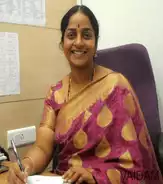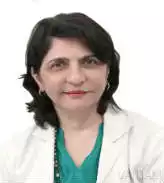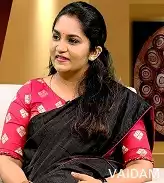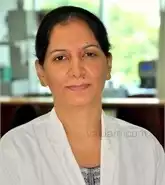
Best Azoospermia Treatment Doctors in India

Dr Neha Gupta


Dr. Lakshmi Krishna Leela

Dr. Shilpa Saple

Dr. Parul Katiyar

Dr. Firuza Parikh


Dr. Prochi Madon

Dr. Sonu Balhara Ahlawat

Dr. Sandeep Shah


Dr. Meenu Handa


Dr. Rita Bakshi


Dr. Indira Hinduja
What Men with Azoospermia Worry About Most
Azoospermia is the complete absence of sperm in the ejaculate and affects around one percent of all men and ten to fifteen percent of infertile men. Patients worry that the diagnosis means they will never father a biological child, that surgical sperm retrieval will damage them, or that donor sperm is the only option. Many have already had two confirmatory semen analyses and are now facing a complex set of choices. The honest position is that around forty to seventy percent of men with non-obstructive azoospermia have sperm successfully retrieved by microsurgical testicular sperm extraction, and obstructive azoospermia has retrieval rates above ninety percent.
How Azoospermia Is Diagnosed and Worked Up
Diagnosis requires two semen analyses showing no sperm after high-speed centrifugation. Workup separates obstructive from non-obstructive azoospermia. Serum follicle-stimulating hormone, luteinising hormone, testosterone, and prolactin are checked. Karyotype and Y chromosome microdeletion testing (AZFa, AZFb, AZFc regions) are mandatory. Cystic fibrosis gene mutation testing is added when congenital bilateral absence of the vas deferens is suspected. Scrotal ultrasound checks testicular volume, vas deferens, and varicocele. Transrectal ultrasound assesses ejaculatory ducts. Testicular biopsy is reserved for cases where retrieval is planned at the same time.
Treatment Options for Azoospermia in India
Treatment depends on type. Obstructive azoospermia (normal testicular size, normal follicle-stimulating hormone, palpable vas) is treated by microsurgical sperm retrieval: testicular sperm aspiration, percutaneous epididymal sperm aspiration, or microsurgical epididymal sperm aspiration. Vasectomy reversal (vasovasostomy or vasoepididymostomy) is offered in selected men. Non-obstructive azoospermia (small testes, raised follicle-stimulating hormone) is treated by microsurgical testicular sperm extraction, where the testis is opened under an operating microscope and dilated seminiferous tubules are selected. Retrieved sperm are used immediately with intracytoplasmic sperm injection or frozen for future use. Hormonal stimulation with human chorionic gonadotrophin, clomiphene citrate, or letrozole is used before microsurgical testicular sperm extraction in selected men. Medanta, Fortis La Femme, Apollo Fertility, Manipal Fertility, Cloudnine, and dedicated andrology centres at All India Institute of Medical Sciences run microsurgical sperm retrieval programmes.
Success Rates and Follow-Up
Microsurgical testicular sperm extraction retrieves sperm in forty to seventy percent of non-obstructive azoospermia men, depending on cause. Y chromosome microdeletions in AZFa or AZFb have very low retrieval rates and are usually counselled toward donor sperm. AZFc deletions have moderate retrieval rates. Clinical pregnancy rates per intracytoplasmic sperm injection cycle with surgically retrieved sperm are forty to fifty percent in good-prognosis couples. Vasectomy reversal patency rates are seventy to ninety percent and natural pregnancy rates fifty to seventy percent depending on years since vasectomy. Follow-up includes repeat semen analysis at three months after reversal and testosterone monitoring after microsurgical testicular sperm extraction.
How to Choose the Right Specialist for Azoospermia
Ask whether the centre has a dedicated male infertility andrologist trained in microsurgery rather than a general urologist doing occasional sperm retrieval. Confirm that microsurgical testicular sperm extraction is offered, not just open testicular sperm extraction. Ask about retrieval rates by type of azoospermia and about cumulative live birth rates with intracytoplasmic sperm injection. Centres that follow European Association of Urology and American Urological Association guidelines and integrate andrology with reproductive medicine are usually the better choice.
Support for International Patients
Microsurgical sperm retrieval and intracytoplasmic sperm injection in India cost a fraction of comparable care in the United Kingdom, the United States, or the United Arab Emirates. Cancer Rounds arranges medical visa invitation letters, accommodation near the fertility centre, multilingual support in eleven plus languages, and synchronised scheduling of microsurgical testicular sperm extraction with the female partner’s egg retrieval. We have supported couples from Nigeria, Kenya, Bangladesh, Iraq, Ethiopia, and Oman through azoospermia workup, microsurgical retrieval, and intracytoplasmic sperm injection in India.
Frequently Asked Questions
Will testicular sperm extraction damage my testosterone?
Testosterone drops slightly in the first six months after microsurgical testicular sperm extraction and usually recovers. Repeated procedures should be spaced and testosterone monitored. Severe permanent drop is rare.
Can I freeze sperm after microsurgical testicular sperm extraction?
Yes. Sperm retrieved in excess of immediate need are vitrified for future intracytoplasmic sperm injection cycles, avoiding repeat microsurgical testicular sperm extraction.
What if no sperm is found?
If no sperm is retrieved after microsurgical testicular sperm extraction, options include trying again after hormonal stimulation, donor sperm, or adoption. Honest pre-procedure counselling is essential.
Is intracytoplasmic sperm injection safe for children born from it?
Long-term follow-up of children born from intracytoplasmic sperm injection shows broadly comparable health outcomes. A small increase in genitourinary and chromosomal anomalies is reported, partly reflecting underlying male infertility causes.
Does varicocele repair help in azoospermia?
Microsurgical varicocelectomy in selected men with non-obstructive azoospermia and clinical varicocele can lead to return of sperm in the ejaculate in ten to twenty percent. It is considered before microsurgical testicular sperm extraction in some cases.
Is vasectomy reversal still possible after twenty years?
Patency rates fall with time since vasectomy. After fifteen to twenty years, vasoepididymostomy is more often needed than simple vasovasostomy. Microsurgical sperm retrieval with intracytoplasmic sperm injection is an alternative.