Best Oesophageal Varices Treatment Doctors in India

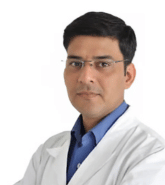
Dr. Murugan N

Dr. (Col) Avnish Seth

Dr. Sanjiv Saigal

Dr. Charles Panackel

Dr. Mallikarjun Sakpal

Dr. Narendra Singh Choudhary

Dr. Geeta Malkan Billa

What Patients with Oesophageal Varices Worry About Most
Oesophageal varices are dilated veins in the lower oesophagus that develop because of portal hypertension, almost always from chronic liver disease. Patients worry about a sudden major bleed, about how often endoscopy is needed, and about whether a liver transplant is on the horizon. Many have already had one bleed and been put on a beta-blocker. The honest position is that variceal bleeding is preventable in most cases with screening endoscopy, beta-blockers, and endoscopic band ligation. When bleeds happen, modern endoscopic and radiological therapy controls them in over ninety percent of cases.
How Oesophageal Varices Are Diagnosed
Diagnosis is by upper gastrointestinal endoscopy in any patient with cirrhosis or known portal hypertension. Varices are graded as small (less than five millimetres) or large (above five millimetres) and noted for red wale marks or cherry-red spots that signal bleeding risk. Non-invasive screening using transient elastography (FibroScan), platelet count, and the Baveno criteria allows some compensated cirrhotic patients to avoid endoscopy. Hepatic venous pressure gradient measurement is the gold standard for portal hypertension and is used in research and complex cases. Computed tomography portovenography maps anatomy before transjugular intrahepatic portosystemic shunt placement.
Treatment Options for Oesophageal Varices in India
Treatment has three goals: prevent first bleed (primary prophylaxis), control active bleeding, and prevent re-bleeding (secondary prophylaxis). Non-selective beta-blockers (propranolol, carvedilol, nadolol) reduce portal pressure and lower bleeding risk. Endoscopic band ligation is offered for large varices and varices with high-risk signs. Active variceal bleeding is treated with intravenous terlipressin or octreotide, broad-spectrum antibiotics, blood and platelet transfusion to target, and emergency endoscopic band ligation within twelve hours. Transjugular intrahepatic portosystemic shunt is used for refractory bleeding and as early shunt in high-risk patients. Balloon-occluded retrograde transvenous obliteration is offered for gastric varices. Liver transplantation cures portal hypertension definitively. Institute of Liver and Biliary Sciences, Fortis Memorial Research Institute, Medanta, Apollo Hospitals, Asian Institute of Gastroenterology, and All India Institute of Medical Sciences offer the full pathway from screening endoscopy to liver transplantation.

Recovery, Success Rates, and Follow-Up
Endoscopic band ligation controls active variceal bleeding in over ninety percent of cases. Six-week mortality after an acute bleed in well-managed units is around fifteen percent and depends on the Child-Pugh score and Model for End-Stage Liver Disease score. Repeat endoscopic band ligation every two to four weeks until varices are eradicated, followed by surveillance every six to twelve months, reduces re-bleeding from sixty percent to around twenty percent. Transjugular intrahepatic portosystemic shunt has procedural success above ninety-five percent and controls refractory bleeding in most patients. Long-term follow-up includes liver function, transient elastography, and screening for hepatocellular carcinoma.
How to Choose the Right Centre for Oesophageal Varices
Ask the centre about twenty-four-hour endoscopy and interventional radiology for transjugular intrahepatic portosystemic shunt and balloon-occluded retrograde transvenous obliteration. Ask about volumes of variceal band ligation and complex liver care. Ask about the multidisciplinary cirrhosis clinic, the link with a liver transplant programme, and the personalised plan for primary prophylaxis, surveillance, and treatment of any complications such as ascites and hepatic encephalopathy.
International Patient Support
International patients receive a single coordinator who arranges endoscopy, hepatology consults, transjugular intrahepatic portosystemic shunt if needed, and transplant evaluation. The Cancer Rounds team supports medical visa invitation letters, accommodation, airport transfers, and multilingual support in eleven plus languages. Patients arrive from Nigeria, Bangladesh, Kenya, Ethiopia, Iraq, Oman, and the United Arab Emirates for variceal care. A written plan and cost estimate are shared before travel.
Frequently Asked Questions
Can oesophageal varices be cured without a liver transplant?
Endoscopic band ligation eradicates oesophageal varices in most patients, and beta-blockers reduce bleeding risk. Varices may reappear over time and need repeat endoscopic band ligation. Definitive cure of underlying portal hypertension comes with liver transplantation.
What are the symptoms of variceal bleeding?
Variceal bleeding presents with vomiting bright red blood, black tarry stools, fast heart rate, light-headedness, and confusion in advanced cirrhosis. It is a medical emergency. Hospital admission with intravenous medication and endoscopy within twelve hours is essential.
How often is screening endoscopy needed?
Patients without varices on first endoscopy are re-screened every two to three years. Those with small varices are screened every one to two years. Patients with large varices need primary prophylaxis and surveillance during a band ligation programme.
What is a transjugular intrahepatic portosystemic shunt?
Transjugular intrahepatic portosystemic shunt is a metal stent placed by interventional radiology between the portal and hepatic veins in the liver. It lowers portal pressure and controls refractory variceal bleeding. The main risk is hepatic encephalopathy.
Are gastric varices treated the same way?
Gastric varices respond less well to band ligation. Cyanoacrylate glue injection, balloon-occluded retrograde transvenous obliteration, and transjugular intrahepatic portosystemic shunt are used depending on anatomy. Treatment plans are individualised at multidisciplinary meetings.
Should I avoid certain foods?
There is no special diet that prevents variceal bleeding. Adequate protein intake supports muscle mass and overall outcome in cirrhosis. Salt restriction helps ascites. Alcohol is avoided completely. A dietitian helps build a personalised plan.