1. What is the average cost of a PET scan in India?
The average cost of a PET scan in India typically ranges between ₹15,000 and ₹45,000, depending on factors such as the hospital reputation, imaging technology (PET-CT or PET-MRI), and the city or region. Metropolitan centers like Delhi, Mumbai, Chennai, and Bengaluru may charge slightly higher due to advanced infrastructure and expert radiologists. Most PET scan packages in India include the radiotracer dose, radiologist interpretation, consultation, and delivery of reports within 24–48 hours, ensuring a smooth and efficient diagnostic experience for patients.
2. How long does a PET scan take from start to finish?
A PET scan procedure in India generally takes about 2 to 3 hours, including all steps. The process begins with the injection of a radiotracer, followed by a resting or uptake period (45–60 minutes) to allow the tracer to circulate and accumulate in the target tissues. The scanning process itself usually takes 20–30 minutes, after which patients can resume normal activities. Advanced Time-of-Flight (TOF) PET-CT systems used in modern Indian diagnostic centers have further reduced scan times without compromising image quality.
3. Are PET scans safe for children and repeated use?
Yes, PET scans in India are considered safe for both children and adults, even when repeated over time. Modern scanners use low-dose radiotracers that are quickly metabolized and eliminated from the body, significantly minimizing radiation exposure. In pediatric oncology, specialized child-friendly protocols and dose optimization techniques are used to ensure safety and comfort. Repeated PET scans may be prescribed for treatment monitoring or recurrence detection, and the benefits far outweigh the minimal radiation risks involved.
4. Can PET scans detect all types of cancers?
PET scan technology in India is highly sensitive in detecting most solid tumors such as those in the lungs, breast, colon, brain, lymph nodes, and bones. However, certain low-grade or slow-growing malignancies (like some types of prostate or thyroid cancers) may show limited uptake of the FDG radiotracer. In such cases, oncologists may recommend complementary imaging tests such as MRI, CT, or specialized PET tracers tailored for specific cancers (e.g., PSMA PET for prostate cancer).
5. Do PET scan centers in India cater to international patients?
Absolutely. India’s PET scan centers are globally recognized for their international patient care and medical tourism support. Reputed hospitals such as Apollo, Fortis, Medanta, and AIIMS have dedicated international patient coordination desks that assist with medical visa documentation, airport transfers, translation services, and teleconsultations before and after the procedure. These facilities ensure that foreign patients receive world-class PET-CT and PET-MRI services with seamless coordination and comfort throughout their medical journey.
6. How do I choose the best PET scan center in India?
When selecting a PET scan center in India, consider the following factors for the best results:
- Accreditation: Ensure the facility is NABH or JCI accredited for quality and safety.
- Technology: Opt for centers offering next-generation digital PET, TOF PET-CT, or hybrid PET-MRI systems for superior imaging accuracy.
- Expertise: Look for a team of experienced nuclear medicine physicians and oncologists trained in molecular imaging.
- Patient Services: Choose centers that provide personalized care, including home radiotracer administration, priority scheduling, and same-day reporting.
- Accessibility for Global Patients: Leading hospitals offer international patient services with multilingual staff and end-to-end logistical support.
India’s advanced PET scan ecosystem combines affordability, innovation, and compassionate care, making it a trusted destination for cancer detection, staging, and treatment monitoring worldwide.
Still unsure which PET scan center in India is ideal for your diagnostic needs? Contact Cancer Rounds for expert guidance, priority scheduling, and seamless international patient support.
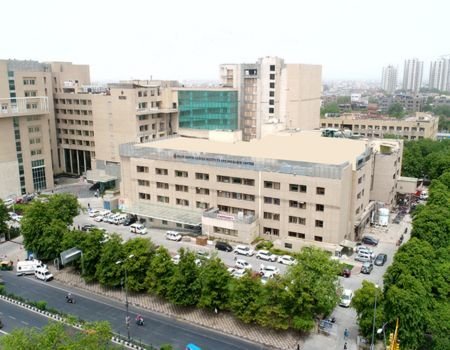 Super Speciality


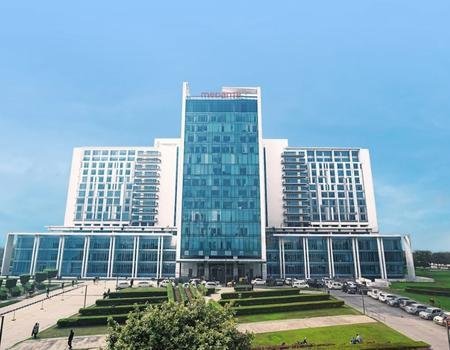 Super Speciality
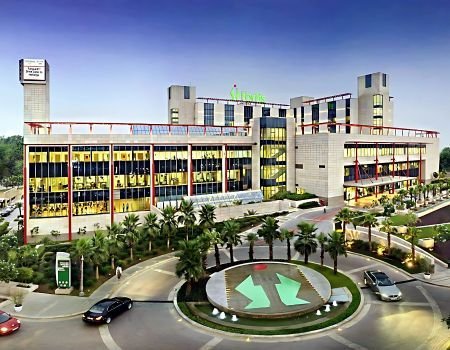 Multi-Specialty
 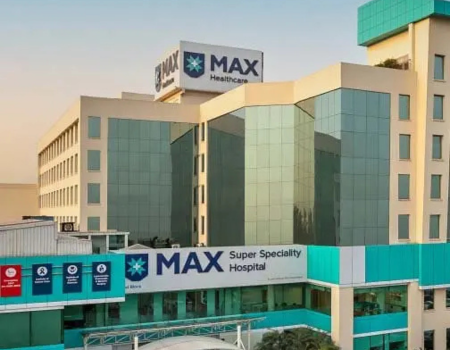 Super Speciality
 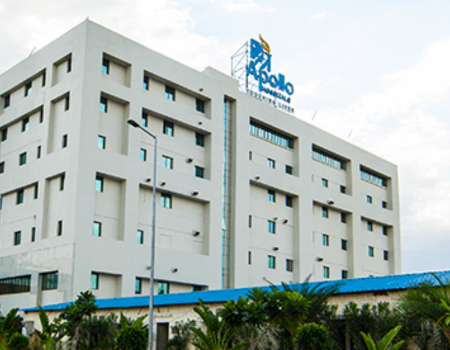 Multispecialty
 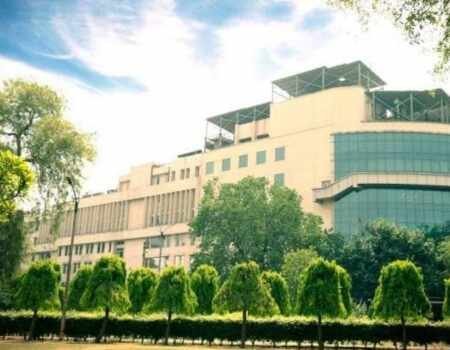 Multi-specialty hospital
 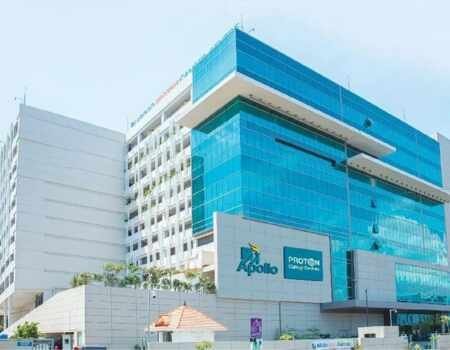 Super Specialty
 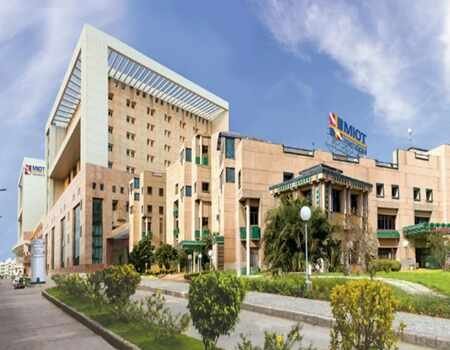 Super Specialty
 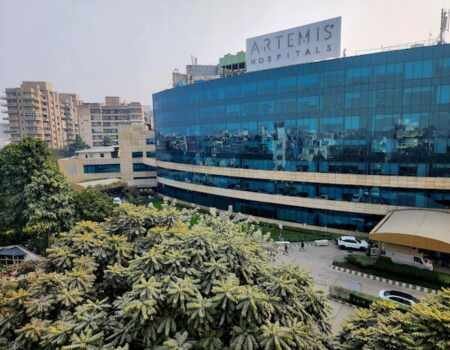 Super Speciality
 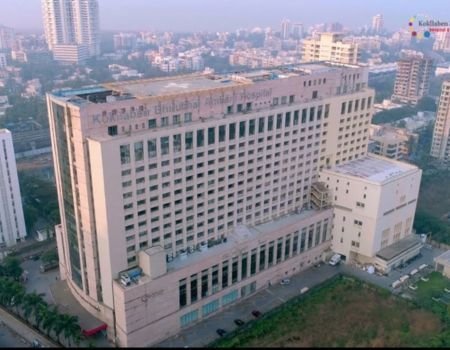 Multi-Specialty
 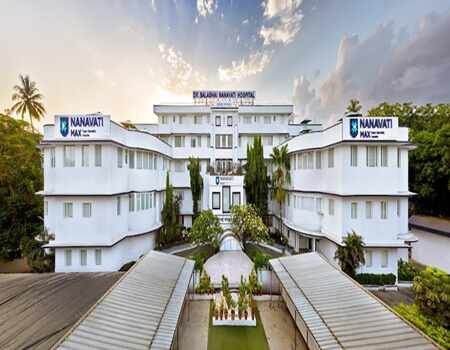 Super Specialty
 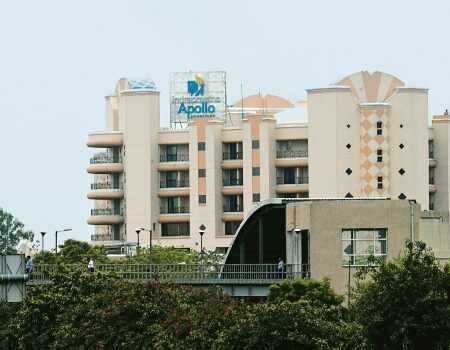 Multi-super Specialty Hospital