Best Premature Ovarian Failure Treatment Doctors in India


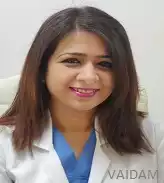
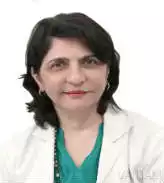
Dr Neha Gupta

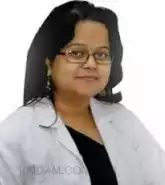
Dr. Lakshmi Krishna Leela

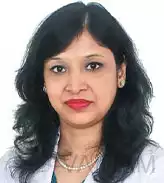
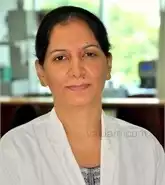
Dr. Shilpa Saple

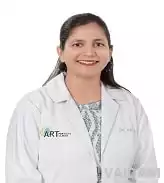
Dr. Parul Katiyar

Dr. Firuza Parikh


Dr. Sandeep Shah


Dr. Sonu Balhara Ahlawat

Dr. Prochi Madon


Dr. Meenu Handa


What Women with Premature Ovarian Failure Worry About Most
Premature ovarian failure (also called premature ovarian insufficiency) is the loss of ovarian function before age forty. Patients worry that the diagnosis means they will never have a biological child, that long-term hormone replacement is unsafe, and that the cause will never be identified. Many feel they were told the news bluntly without options. The honest position is that spontaneous pregnancy still occurs in around five to ten percent of women with premature ovarian insufficiency, that donor egg in vitro fertilisation gives pregnancy rates of fifty to sixty percent per transfer, and that hormone replacement to the average age of natural menopause protects bones, heart, and brain.
How Premature Ovarian Failure Is Diagnosed
Diagnosis requires periods that have stopped (or become very irregular) before age forty, plus two follicle-stimulating hormone values above 25 IU/L taken four to six weeks apart. Anti-Mullerian hormone is very low or undetectable. Investigation looks for causes: karyotype (Turner syndrome, fragile X premutation), autoimmune screen (thyroid, adrenal, ovarian antibodies), and pelvic ultrasound. Bone mineral density by dual-energy X-ray absorptiometry is checked because of long-term oestrogen loss. Lipid profile and fasting glucose screen for cardiovascular risk.
Treatment Options for Premature Ovarian Failure in India
Treatment has two arms. Hormone replacement (combined oestrogen and progestogen, or sequential oestradiol and progesterone) is given to the average age of natural menopause (around fifty-one) for symptom relief and protection of bones, heart, and brain. For pregnancy, options include trying for spontaneous conception (small chance), in vitro fertilisation with own eggs only when antral follicles are still present, and donor egg in vitro fertilisation, which is the most reliable option. Egg vitrification before chemotherapy or radiation is the standard fertility preservation method for women at risk. Manipal Fertility, Fortis La Femme, Medanta, Apollo Fertility, and Cloudnine run dedicated donor egg programmes with screened anonymous donors and shared egg cycles where available.
Success Rates and Follow-Up
Donor egg in vitro fertilisation produces clinical pregnancy rates of fifty to sixty percent per fresh transfer and cumulative live birth rates above seventy percent over three transfers when blastocysts are used. In vitro fertilisation with own eggs in premature ovarian insufficiency has very low success rates (under five percent per cycle) and is offered only after thorough counselling. Follow-up includes annual review of hormone replacement, repeat bone mineral density every two years, lipid profile, and cardiovascular risk assessment.
How to Choose the Right Specialist for Premature Ovarian Failure
Ask whether the centre offers both diagnostic workup and donor egg in vitro fertilisation under one programme, with multidisciplinary input from reproductive endocrinology, genetics, and psychology. Confirm donor screening follows Indian Council of Medical Research guidelines. Ask about counselling provision, since the diagnosis is emotionally heavy. Centres that follow European Society of Human Reproduction and Embryology premature ovarian insufficiency guidelines and publish donor egg outcomes are usually the better choice.
Support for International Patients
Donor egg in vitro fertilisation in India costs a fraction of comparable care in the United Kingdom, the United States, or the United Arab Emirates. Cancer Rounds arranges medical visa invitation letters, accommodation near the fertility centre, multilingual support in eleven plus languages, donor matching, and synchronisation with frozen embryo transfer cycles so the trip is efficient. We have supported women from Nigeria, Kenya, Bangladesh, Iraq, Ethiopia, and Oman through donor egg pathways with documented home transfer of records.
Frequently Asked Questions
Can my own eggs still be used?
If antral follicles are still visible on ultrasound and anti-Mullerian hormone is measurable, a trial of in vitro fertilisation with own eggs is reasonable. Success rates are low but not zero.
Is hormone replacement therapy safe long term?
For women with premature ovarian insufficiency, hormone replacement to age fifty is protective rather than harmful. The risks discussed in older studies relate to postmenopausal use, not premature insufficiency.
What is the difference between premature menopause and premature ovarian insufficiency?
Premature ovarian insufficiency is the modern term because ovarian function can fluctuate and pregnancy is still possible. Premature menopause implies a permanent end.
How are donor eggs screened in India?
Donor screening follows Indian Council of Medical Research guidelines: age twenty-three to thirty-five, infectious disease testing, karyotype, psychological assessment, and limit on number of donations.
Can the baby look like me with donor eggs?
Donor matching considers ethnicity, height, build, eye colour, hair colour, and blood group. Strong physical resemblance is common when matching is done carefully.
Is there a chance my ovaries will work again?
Around five to ten percent of women with premature ovarian insufficiency have intermittent ovarian function and may conceive spontaneously. This cannot be predicted in advance.