Best Acute Lymphoblastic Leukaemia Treatment Doctors in India

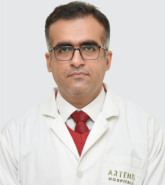
Dr. Rahul Bhargava

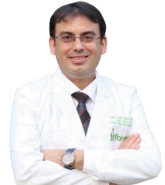
Dr. Gaurav Dixit

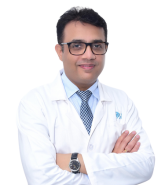
Dr. Vikas Dua

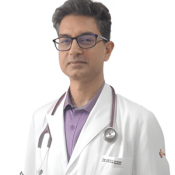
Dr. TPR Bharadwaj

Dr. Satya Prakash Yadav

Dr. Chezhian Subash

Dr. Srikanth M

Dr. Mallikarjun Kalashetty

Dr. Shishir Seth

Dr. Dharma Choudhary

Dr. Gaurav Kharya


Dr. Kishore Kumar S

Dr. Revathi Raj

Dr. Ramaswamy N.V.

Dr. Satyendra Katewa


Dr. Balkrishna Padate
What Patients with Acute Lymphoblastic Leukaemia Worry About Most
A diagnosis of acute lymphoblastic leukaemia hits families hard, especially when the patient is a child. Parents ask the same questions: how fast will the disease move, will chemotherapy work the first time, will a bone marrow transplant be needed, and what are the long-term effects of treatment on growth, fertility, and the heart. The fear of relapse is real. Around fifteen to twenty percent of paediatric cases and a higher proportion of adults relapse after first remission, but modern protocols track minimal residual disease closely so relapse is picked up early when curative treatment is still possible.
How Acute Lymphoblastic Leukaemia Is Diagnosed
Diagnosis requires a bone marrow aspiration and biopsy showing more than twenty percent lymphoblasts, supported by flow cytometry to identify B-cell or T-cell lineage, cytogenetics, and molecular testing for fusion genes including the Philadelphia chromosome (BCR-ABL1). Central nervous system involvement is checked through a lumbar puncture in children. The risk category at diagnosis decides whether to use standard or intensified chemotherapy and whether to plan for allogeneic bone marrow transplant.
Treatment Options for Acute Lymphoblastic Leukaemia in India
Treatment runs in four phases over two to three years: induction, consolidation, intensification, and maintenance. Induction uses vincristine, prednisolone or dexamethasone, an anthracycline, and asparaginase. Consolidation and intensification use cyclophosphamide, cytarabine, methotrexate, and 6-mercaptopurine. Intrathecal methotrexate is given throughout to prevent central nervous system relapse. For Philadelphia-positive cases, tyrosine kinase inhibitors like imatinib or dasatinib are added. For relapsed or refractory disease, blinatumomab, inotuzumab ozogamicin, and chimeric antigen receptor T-cell therapy are available at select Indian centres. Allogeneic bone marrow transplant is offered for high-risk patients in first remission and for any patient who relapses. Centres at Fortis Memorial Research Institute, Medanta, BLK-Max, Apollo, Tata Memorial, and Manipal run high-volume programmes for both paediatric and adult cases.
Recovery, Success Rates, and Follow-Up
Around eighty-five to ninety percent of children achieve long-term cure with modern protocols. Adult outcomes sit around forty to fifty percent five-year survival, improving substantially with allogeneic bone marrow transplant in eligible patients. The first induction admission is three to five weeks. Consolidation and intensification involve repeated admissions over six to nine months. Maintenance therapy continues for two to three years from diagnosis, mostly at home with monthly clinic visits. After completion, follow-up runs for at least five years.
How to Choose the Right Doctor
For children, look for a paediatric hemato-oncologist with at least ten years of focused experience. For adults, look for a hemato-oncologist running an active acute leukaemia and bone marrow transplant programme. Questions worth asking: how many cases the doctor treats yearly, whether the hospital offers intensive induction with intensive care unit support, whether tyrosine kinase inhibitors are used for Philadelphia-positive cases, and whether the centre offers bone marrow transplant and chimeric antigen receptor T-cell therapy for relapse.
Support for International Patients
Treatment in India is significantly more affordable than equivalent care in the United Kingdom, United States, Middle East, or Southeast Asia, without compromise on protocols or doctor expertise. Cancer Rounds arranges the medical visa invitation letter, airport pickup, accommodation near the treatment hospital, multilingual support in eleven plus languages, and full coordination with the doctor’s office. Patients from Nigeria, Bangladesh, Oman, Kuwait, Qatar, Kenya, Uganda, Tanzania, Ghana, Ethiopia, Cameroon, Mauritius, Mozambique, Senegal, Zimbabwe, Zambia, Guinea, Liberia, Madagascar, South Sudan, Qatar, Chad, Sierra Leone, Congo, Iraq & Uzbekistan, and many other countries travel to India for acute lymphoblastic leukaemia treatment every year.
Frequently Asked Questions
Is acute lymphoblastic leukaemia curable?
Yes, for a significant proportion of patients. Around eighty-five to ninety percent of children achieve long-term cure. Adult cure rates are around forty to fifty percent and improve further with allogeneic bone marrow transplant in eligible cases.
How long does treatment take?
The full protocol runs for two to three years from diagnosis. The first six to nine months involve repeated hospital admissions for intensive chemotherapy. The remaining time is maintenance therapy taken at home with monthly clinic visits.
Do all patients need a bone marrow transplant?
No. Standard-risk patients often achieve cure with chemotherapy alone. High-risk patients usually need allogeneic bone marrow transplant in first remission. The decision is made after risk stratification.
What is chimeric antigen receptor T-cell therapy?
It is a personalised immunotherapy where the patient’s own T-cells are engineered to attack leukaemia cells. It is used for relapsed or refractory B-cell acute lymphoblastic leukaemia and is now available at select Indian centres.
How is central nervous system involvement prevented?
Intrathecal methotrexate is given throughout treatment as central nervous system prophylaxis. This prevents the disease from spreading to the brain and spine, which used to be a common cause of relapse.
Can adults travel to India for treatment?
Yes. International adult patients travel to India regularly for acute lymphoblastic leukaemia treatment, including bone marrow transplant. Cancer Rounds arranges the full coordination, accommodation, and multilingual support from first enquiry to safe return home.