Best Polycythaemia Vera Treatment Doctors in India

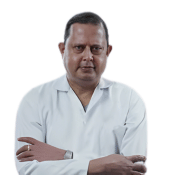
Dr. Sunil Bichile

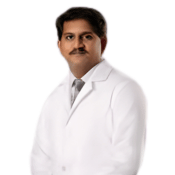
Dr. Amrita Ramaswami

Dr.Vibhor Sharma

Dr. Sujata Vasani


Dr. Suparno Chakrabarti

Dr. Upendra Sharma

Dr. Subhaprakash Sanyal


Dr. Priyanka Chauhan

Dr. Aditi Shah Kaskar


Dr. Nivedita Dhingra

Dr. Esha Kaul


What Patients with Polycythaemia Vera Worry About Most
Polycythaemia vera is often picked up after a clot, a high haemoglobin on a routine blood test, or persistent itching after a hot shower. Patients ask: will I have a stroke, why do I need to bleed myself with phlebotomy, will it turn into leukaemia, and how often do I need treatment. The fear of a clotting event is real because the thick blood does raise the risk of stroke, heart attack, deep vein thrombosis, and Budd-Chiari syndrome. Phlebotomy lowers that risk significantly, and most patients on appropriate treatment have outcomes close to the general population.
How Polycythaemia Vera Is Diagnosed
Diagnosis requires elevated haematocrit or haemoglobin, presence of a Janus kinase 2 mutation (V617F in around ninety-five percent of patients, or exon 12 in the rest), and bone marrow biopsy showing characteristic findings. The diagnostic workup includes a complete blood count, serum erythropoietin level (usually low in polycythaemia vera), Janus kinase 2 mutation testing, bone marrow biopsy with cytogenetics, and exclusion of secondary causes of high haematocrit (smoking, lung disease, sleep apnoea, kidney tumours, or testosterone therapy). Risk stratification (low or high) is based on age and previous thrombosis.
Treatment Options for Polycythaemia Vera in India
Treatment has three goals: reduce blood viscosity to prevent clotting, control symptoms, and reduce long-term risk of transformation. All patients are started on therapeutic phlebotomy aimed at keeping the haematocrit below forty-five percent, plus low-dose aspirin. Phlebotomy is initially done every one to two weeks until the target haematocrit is reached, then less often for maintenance. High-risk patients also need cytoreductive therapy. Hydroxyurea is the first-line option, given as a daily tablet. Pegylated interferon alpha is preferred for younger patients and may produce molecular responses over time. Ruxolitinib is approved for patients who fail or are intolerant to hydroxyurea and significantly improves symptoms including itching, fatigue, and night sweats. Centres at Fortis Memorial Research Institute, Medanta, BLK-Max, Apollo, and Tata Memorial run myeloproliferative neoplasm clinics with phlebotomy units and access to all cytoreductive options including ruxolitinib.
Recovery, Success Rates, and Follow-Up
Median survival is approximately fifteen to twenty years from diagnosis, and many patients live longer. Transformation to myelofibrosis occurs in around fifteen percent over twenty years, and transformation to acute leukaemia is uncommon but more frequent than in essential thrombocythaemia. There is no hospital stay required for routine treatment. Phlebotomy is an outpatient procedure taking around thirty to forty-five minutes. Hydroxyurea, pegylated interferon, and ruxolitinib are taken at home with monitoring at the clinic every one to three months. Follow-up continues indefinitely.
How to Choose the Right Doctor
Look for a doctor with at least ten years of haematology experience, working at a centre with an active phlebotomy unit, Janus kinase 2 mutation testing in-house, and access to ruxolitinib. Questions to ask: the phlebotomy target and frequency the doctor uses, when cytoreductive therapy is started, the experience with pegylated interferon, and how transformation to myelofibrosis is monitored. Centres at Fortis Memorial Research Institute, Medanta, BLK-Max, Apollo, and Tata Memorial have established myeloproliferative neoplasm clinics.
Support for International Patients
Treatment in India is more affordable than equivalent care in the United Kingdom, United States, Middle East, or Southeast Asia. Phlebotomy is a low-cost outpatient procedure. Generic hydroxyurea keeps drug costs low. Ruxolitinib and pegylated interferon are available at major centres at significantly lower cost than in Western countries. Cancer Rounds arranges the medical visa invitation letter, accommodation, multilingual support in eleven plus languages, and ongoing coordination for long-term monitoring. Patients from Nigeria, Bangladesh, Oman, Kuwait, Qatar, Kenya, Uganda, Tanzania, Ghana, Ethiopia, Cameroon, Mauritius, Mozambique, Senegal, Zimbabwe, Zambia, Guinea, Liberia, Madagascar, South Sudan, Qatar, Chad, Sierra Leone, Congo, Iraq & Uzbekistan, and other countries consult Indian hemato-oncologists for polycythaemia vera.
Frequently Asked Questions
Why do I need phlebotomy if I feel fine?
Phlebotomy keeps the haematocrit below forty-five percent, which significantly reduces the risk of stroke, heart attack, and blood clots. Studies have shown that maintaining this target lowers cardiovascular events even in patients who feel well.
How often will I need phlebotomy?
In the early phase, phlebotomy is done every one to two weeks until the haematocrit drops below forty-five percent. Once stable, maintenance phlebotomy is done every two to four months.
What is ruxolitinib and when is it used?
Ruxolitinib is a Janus kinase 1 and 2 inhibitor taken as a daily tablet. It is approved for patients who fail or cannot tolerate hydroxyurea. It significantly improves symptoms including itching, fatigue, and night sweats, and reduces spleen size.
Will it turn into leukaemia?
Transformation to acute myeloid leukaemia happens in a small minority (around three to five percent over twenty years). Progression to myelofibrosis is more common (around fifteen percent).
Why do I itch so much after a shower?
Aquagenic pruritus (itching after exposure to water) is a classic symptom, caused by histamine release from mast cells. It often improves with cytoreductive therapy, antihistamines, or specifically with ruxolitinib.
Can I exercise normally and travel by air?
Yes, if the haematocrit is well controlled and you are on aspirin. Long-haul flights need standard precautions including hydration and walking around. The doctor can advise on specific situations such as high-altitude travel.