
Expert perspectives on cancer care and treatment breakthroughs
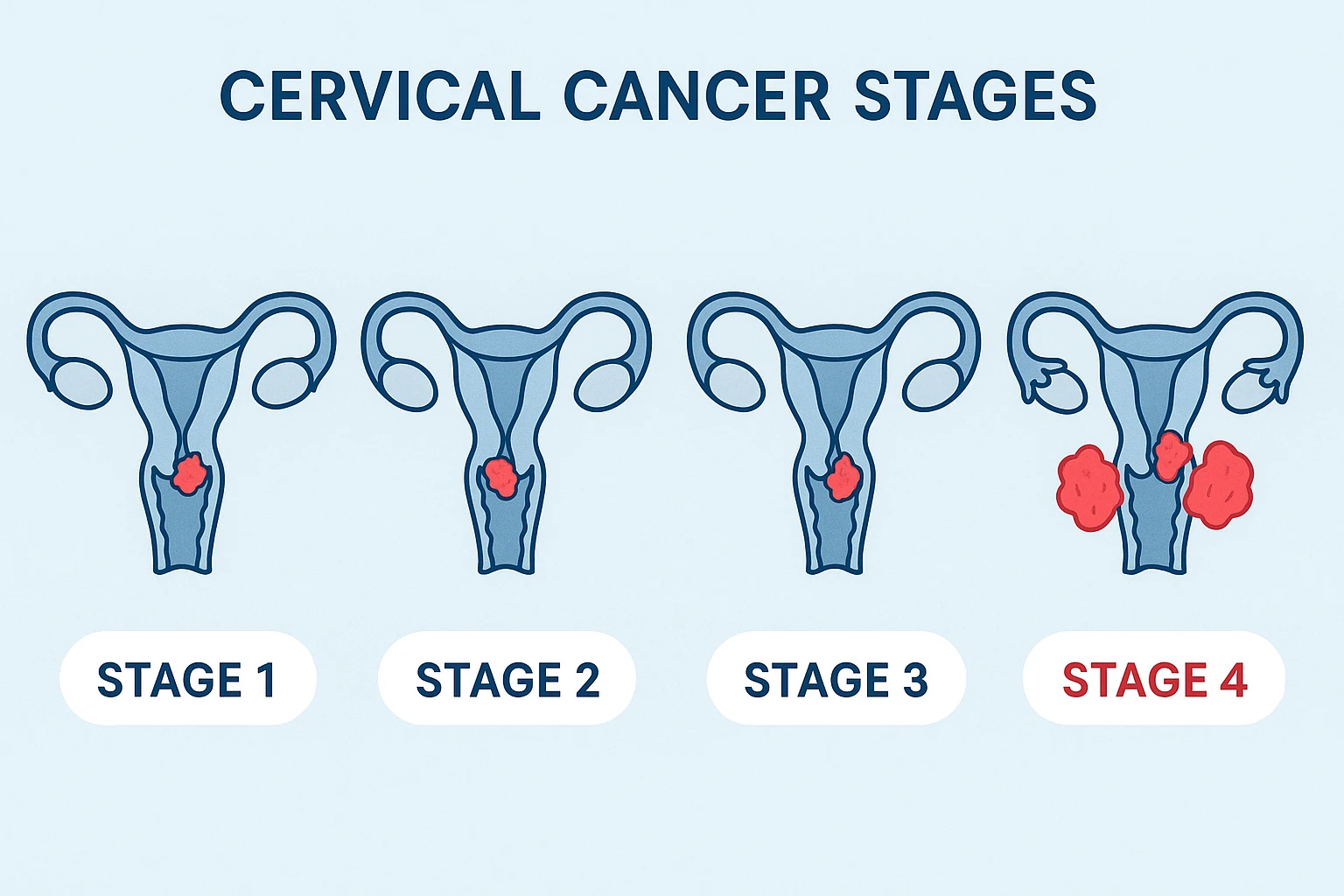
Stage 4 cervical cancer represents the most advanced and formidable phase in the fight against this life-threatening disease, characterized by its spread beyond the pelvis to distant organs. Managing this stage requires a sophisticated, multidisciplinary approach that blends medical precision with compassionate care. Treatment modalities span from advanced chemotherapy regimens and state-of-the-art radiotherapy techniques to targeted therapies and innovative palliative interventions. The evolving global…
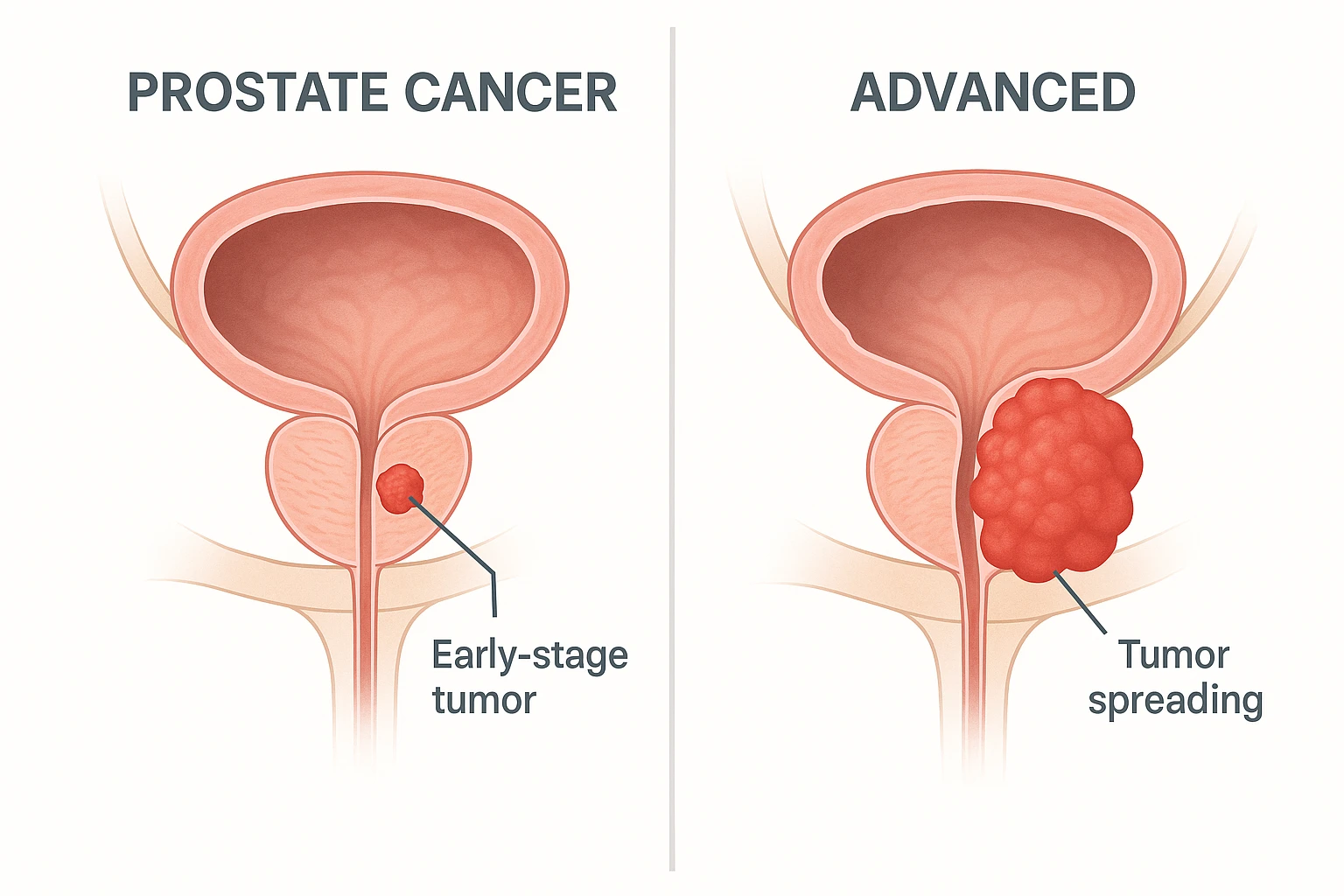
Prostate cancer is one of the most prevalent cancers affecting Indian men, with its incidence steadily rising, especially in urban areas and among men over the age of 50. A diagnosis can be a daunting experience, but if your cancer has been caught in its early stages, there is every…
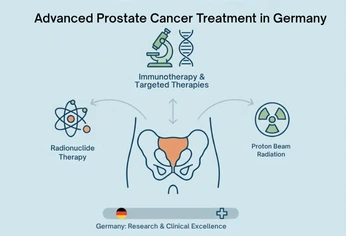
Understanding Advanced Prostate Cancer Advanced prostate cancer refers to cancer that has spread beyond the prostate gland, often to lymph nodes, bones, or other organs. Common Symptoms of Advanced Prostate Cancer Difficulty urinating or weak urine stream Pain in the back, hips, or pelvis Unexplained weight loss Fatigue or weakness…
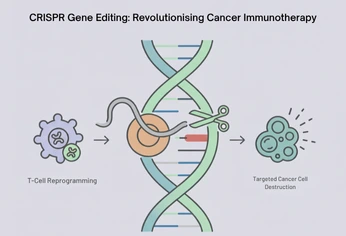
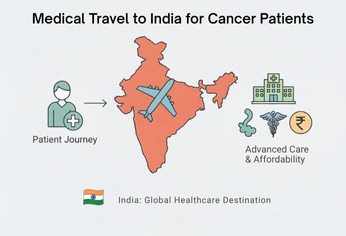
Cancer, often referred to as the “Emperor of All Maladies,” is a global health concern that transcends borders and cultures. For many patients diagnosed with cancer, the quest for the best possible treatment knows no boundaries. Medical tourism, particularly in countries like India, has emerged as a beacon of hope…
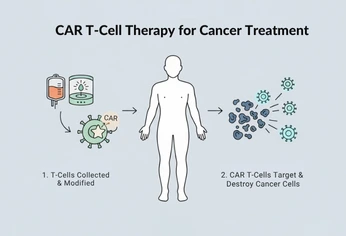
We have been witnessing incredible advancements in oncology but few have captivated the medical community and, more importantly, offered such profound hope to patients as CAR T-cell therapy. Just a decade ago, the idea of engineering a patient’s own immune cells to become cancer-fighting superheroes seemed like science fiction. Today, it’s…
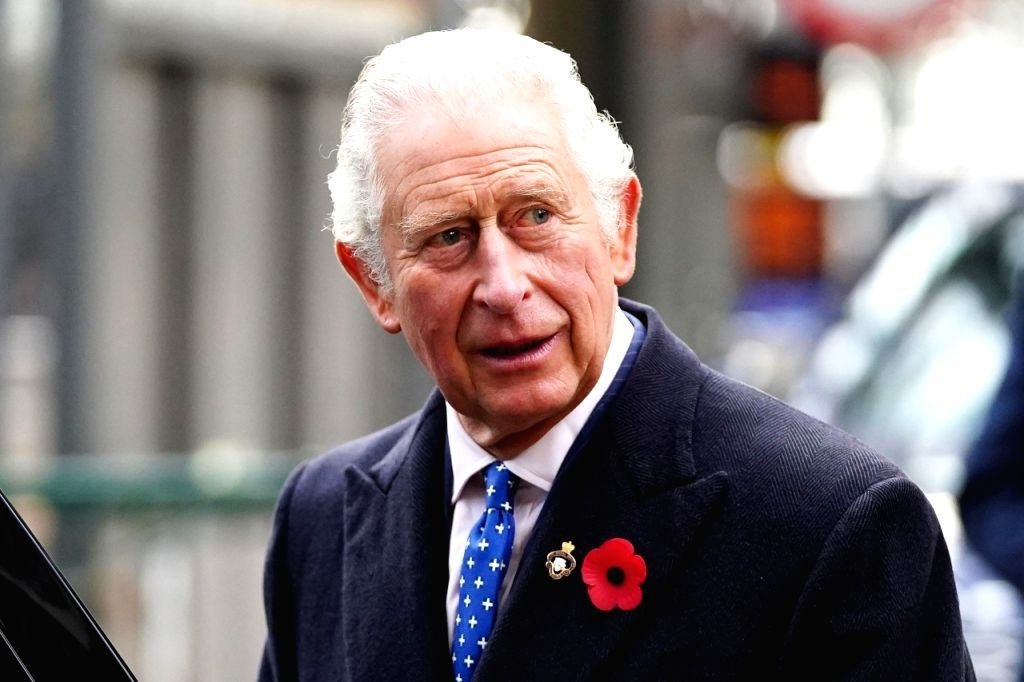
King Charles III | Biography & Recent Health Challenges. King Charles, whose full name is Charles Philip Arthur George, was born on November 14, 1948, making him the eldest son of Queen Elizabeth II and Prince Philip, Duke of Edinburgh. His early life was shaped by the responsibilities and expectations…
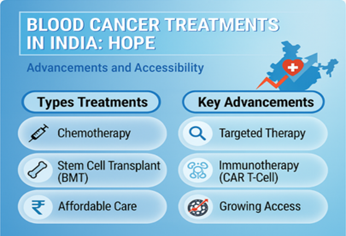
Blood cancer. The very words can send shivers down one’s spine. Historically, it conjured images of relentless struggle and limited options. However, in India today, this narrative is rapidly transforming. Thanks to groundbreaking advancements and a growing commitment to accessible healthcare, the treatment journey of blood cancer in India is increasingly becoming…

Exploring Medical Tourism in India Cancer, often referred to as the “Emperor of All Maladies,” is a global health concern that transcends borders and cultures. For many patients diagnosed with cancer, the quest for the best possible treatment knows no boundaries. Medical tourism, particularly in countries like India, has emerged…
Cancer is not necessarily directly related to other lifestyle diseases, but certain lifestyle factors and chronic conditions can increase a person’s risk of developing cancer. For example, smoking is a significant risk factor for lung cancer, but it has also been linked to an increased risk of other types of…
What is psycho-oncology? Psycho-oncology is a field of study that focuses on the psychological, social, and behavioral aspects of cancer. It involves the application of psychological principles and interventions to help people affected by cancer, including cancer patients, survivors, and their families. Psycho-oncology addresses a range of issues, such as…
Cancer patients often have unique nutritional needs, as cancer and its treatments can affect the body’s ability to tolerate certain foods and absorb nutrients. A healthy diet can help cancer patients maintain their strength, manage treatment side effects, and promote overall health and well-being. Here are some general guidelines for…
Get expert guidance instantly
Share a few details and our medical team gets back to you within 4 hours with the next steps.

Tell us what you are facing and our medical team will guide you to the right doctors, hospitals and treatment.
Free Review, No Commitment
Free assessment with no pressure to proceed.
Trusted by 100,000+ Patients
Across 125+ countries worldwide
500+ Top Partner Hospitals
Globally accredited medical facilities
5000+ Expert Specialists
Senior doctors across major specialties.
Making quality healthcare accessible to patients worldwide
Everything you need to know about choosing the right hospital, doctor and treatment plan.