
Confused about treatment options?
Get a free second opinion from our oncologists
Is it worth going to Germany for cancer treatment? Do German hospitals even have an international patients department? Well, to put it simply, many German hospitals have a dedicated department to handle international patients requirements and offer access to specialized oncology centers, advanced cancer diagnostics, multidisciplinary care, and research-driven treatment options. The country has a strong medical research infrastructure, supported by institutions such as the German Cancer Research Center (DKFZ) and the German Guideline Programme in Oncology.
Is German Cancer Care Advanced? Yes, Germany combines established cancer treatments with newer approaches such as precision oncology, molecular diagnostics, targeted therapies, immunotherapy, and advanced radiation techniques. Depending on the cancer type and clinical indication, some German hospitals may also offer specialized or highly advanced options, including lutetium-177 radioligand therapy for selected neuroendocrine tumors or prostate cancers, proton beam therapy at specialized centers, and stem cell or bone marrow transplantation, for certain blood cancers and other serious conditions.
German hospitals may also provide access to :
Some centers participate in clinical trials involving emerging immunotherapies, personalized cancer vaccines, antibody-drug conjugates, and other targeted treatments. Although availability of these therapies varies due to numerous factors.
Germany also places emphasis on early cancer detection and structured cancer care, supported by national screening and healthcare programs.
For international patients, another consideration is the availability of comprehensive cancer care, where surgeons, medical oncologists, radiation oncologists, radiologists, pathologists, and other specialists can contribute to treatment planning.
The hospitals featured in this list were selected based on factors relevant to patients seeking cancer treatment in Germany, rather than on a single ranking. We considered their oncology expertise, cancer research, range of treatment options, multidisciplinary care, and involvement in specialized cancer programs.
We also considered factors that matter to international cancer patients, including experience with complex cases, access to diagnostic and treatment services, and support available for patients traveling from abroad.
The list is intended as a practical guide rather than a definitive ranking. The most suitable hospital depends on your cancer type, stage, treatment needs, and individual medical circumstances.
Charité’s Comprehensive Cancer Center (CCCC) brings together specialized cancer care for both adults and children. Its dedicated organ-based centers cover a broad range of cancers, including common malignancies as well as rare and complex tumors.

Key strengths include:
University Hospital Heidelberg provides comprehensive cancer care through specialized centers covering solid tumors and blood cancers. It also combines clinical treatment with cancer research and specialized services such as CAR-T-cell therapy, stem cell transplantation, and particle therapy.

LMU Klinikum provides comprehensive cancer care through the Comprehensive Cancer Center Munich (CCC Munich LMU). Its specialized teams treat common, rare, and complex cancers, with interdisciplinary tumor boards supporting individualized treatment planning.
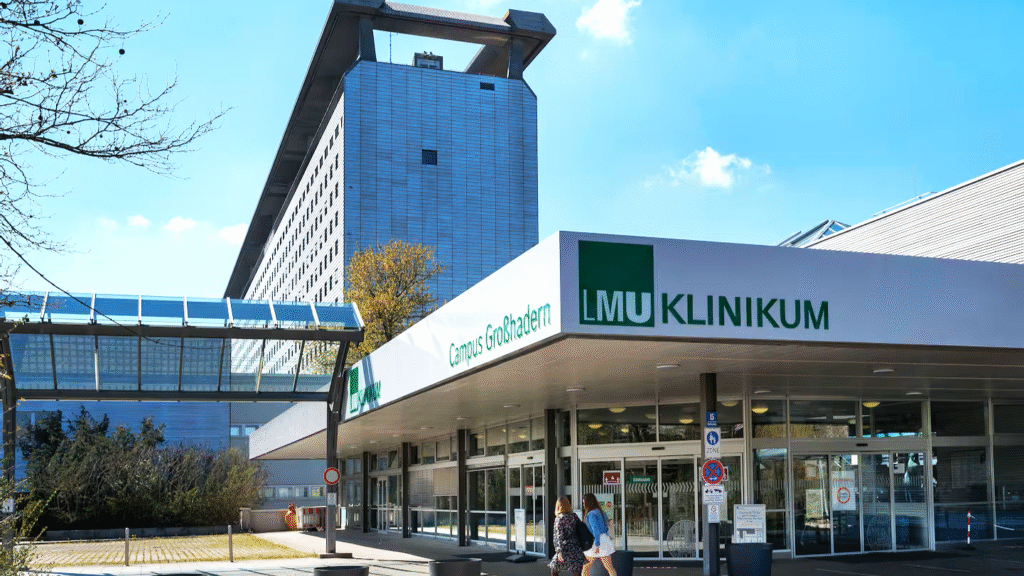
Its strengths include:
University Hospital Freiburg provides multidisciplinary cancer care across a wide range of tumor types. Its oncology services include specialized programs for blood cancers, gastrointestinal and thoracic tumors, gynecological cancers, brain tumors, sarcomas, and pediatric malignancies.

Key strengths include:
UKE’s University Cancer Center Hamburg (UCC Hamburg) coordinates cancer diagnosis and treatment across multiple specialized centers. Its services cover breast, prostate, gastrointestinal, gynecological, lung, skin, blood, pediatric, and rare cancers.
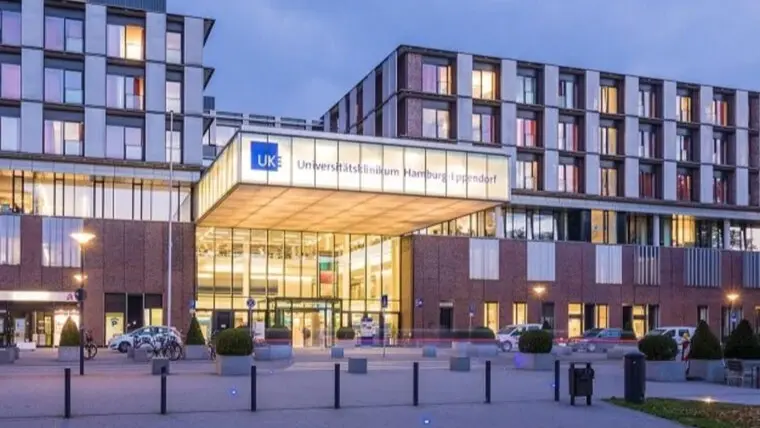
Its oncology services cover a broad range of cancers, including:
The below given costs are approximates of the therapy, the final costs depends on individual diagnosis. For international patients, health insurance coverage for cancer treatment in Germany varies by type of insurance, type of treatment, and eligibility. Advanced treatments, including newer therapies and specialized procedures, may require prior authorization or may not be covered. Clinical-trial treatments may have separate eligibility requirements and coverage arrangements, so patients should confirm the trial’s costs and what their insurer will cover. Confirm coverage, exclusions, deductibles, and billing arrangements before traveling. Private patients should request a detailed cost estimate covering treatment and follow-up care.
| Advanced treatment | Approx. cost in Germany* |
| CAR-T-cell therapy | €250,000–€450,000+ |
| Dendritic Cell Therapy | €8,000–€25,000+ per treatment course |
| Lutetium-177 PSMA therapy | €15,000–€30,000 for a typical course |
| Actinium-225 PSMA therapy | €30,000–€80,000+ per treatment course |
| Proton Beam Therapy | €30,000–€80,000+ |
| Heavy-Ion Therapy | €50,000–€100,000+ |
| TACE | €8,000–€20,000 per procedure/course |
| HIPEC | €25,000–€50,000+ |
| NanoKnife / Irreversible Electroporation (IRE) | €15,000–€30,000+ |
| Cryotherapy / Cryoablation | €10,000–€25,000+ |
| Treatment | Approx. cost in Germany* |
| Cancer surgery | €10,000–€40,000+ |
| Robotic-assisted cancer surgery | €15,000–€45,000+ |
| Chemotherapy | €5,000–€30,000+ per treatment course |
| Immunotherapy | €10,000–€50,000+ per course |
| Targeted therapy | €10,000–€60,000+ per course |
| IMRT | €10,000–€25,000 |
| IGRT | €12,000–€30,000 |
| Stereotactic radiotherapy (SBRT/SRS) | €15,000–€35,000+ |
| Stem cell transplant | €70,000–€150,000+ |
| Precision oncology / molecular profiling | €1,000–€5,000+ |
Choosing a hospital abroad involves more than comparing cancer treatment options. Before traveling to Germany for cancer treatment, international patients should consider the following:
Most importantly, the right oncology hospital depends on your specific cancer type, stage, treatment requirements, and medical history, rather than its overall reputation alone.
When considering travel to Germany for cancer treatment, patients should take several important factors into account beyond just treatment options:
Choosing the right oncology hospital can feel overwhelming, especially when you are traveling from another country. CancerRounds can help you explore suitable German hospitals and treatment options based on your diagnosis and medical needs.
Get in touch with CancerRounds to start planning your cancer treatment journey in Germany.
There is no single best hospital for every cancer. The right choice depends on your cancer type, stage, treatment requirements, and whether you need specialized services such as complex surgery, CAR-T-cell therapy, or particle therapy.
Yes. International patients can usually submit medical records, pathology reports, and imaging for specialist review. A second opinion can help confirm the diagnosis and clarify available treatment options before you travel.
Yes. Many university hospitals and comprehensive cancer centers in Germany accept international patients. Patients generally need to provide their medical records, receive an assessment and treatment plan, and arrange payment or insurance authorization before treatment.
Depending on the cancer and clinical indication, specialized German centers may offer CAR-T-cell therapy, proton and heavy-ion therapy, targeted therapy, immunotherapy, precision oncology, molecular tumor profiling, and radioligand therapies such as Lutetium-177 PSMA.
Costs vary widely according to the cancer type, stage, treatment, hospital stay, and number of treatment cycles. International self-paying patients should request an individualized cost estimate after the hospital reviews their medical records.
Coverage depends on the patient’s insurance policy, country of residence, treatment, and eligibility. Some treatments require prior authorization, while newer or experimental therapies may have limited coverage. Confirm the terms with your insurer before traveling.
Start by collecting your medical records, pathology reports, scans, and previous treatment details. These can be submitted to the hospital or an international patient service for review, after which you can receive recommendations, an estimated cost, and information about scheduling and travel arrangements.
.webp)
The top oncology hospitals in Germany include Charité – Universitätsmedizin Berlin, University Hospital Heidelberg, LMU Klinikum Munich, University Hospital Freiburg, and University Medical Center Hamburg-Eppendorf (UKE). These centers provide multidisciplinary cancer care for common, rare, and complex cancers, with access to treatments such as chemotherapy, immunotherapy, targeted therapy, radiation therapy, stem cell transplantation, CAR-T-cell therapy, and precision oncology. The right hospital for an international patient depends on their cancer type, stage, treatment needs, and individual medical condition.
Get expert guidance instantly
Tell us about your condition and we will help you find the right care.
Get expert guidance instantly
Share a few details and our medical team gets back to you within 4 hours with the next steps.

Tell us what you are facing and our medical team will guide you to the right doctors, hospitals and treatment.
Free Review, No Commitment
Free assessment with no pressure to proceed.
Trusted by 100,000+ Patients
Across 125+ countries worldwide
500+ Top Partner Hospitals
Globally accredited medical facilities
5000+ Expert Specialists
Senior doctors across major specialties.
Making quality healthcare accessible to patients worldwide
Everything you need to know about choosing the right hospital, doctor and treatment plan.