
Confused about treatment options?
Get a free second opinion from our oncologists
Triple-negative breast cancer is a rare type of breast cancer that affects women. It is a rare but aggressive type of breast cancer. Around 10% of breast cancer cases belong to this category. As being a rare type of cancer, it is also very challenging to treat triple-negative breast cancer.
As the name suggests, triple-negative breast cancer is referent to the type of breast cancer which does not have three associated markers. These three associated bio-makers are estrogen, progesterone hormones, and HER2 protein. These biomarkers are generally present in other breast cancers. This cancer requires special treatment hence these types of biomarkers are important to identify beforehand. Triple-negative breast cancer is aggressive and can spread much more rapidly than other types of cancer.
This article mainly focuses on triple-negative breast cancer and its diagnosis, treatment, and survival rate. Continue reading to know more.
Mostly Black and Latina women are more prone to triple-negative breast cancer than white women. Women of or below 40 years are at more risk of getting triple-negative breast cancer. Even though it’s a rare type of cancer, it is an aggressive one. It can be a fetal cause of death in many women worldwide. Especially women with a genetic mutation in the BRCA1 gene are often observed in breast cancer patients. It is a gene that prevents cancer cells from growing.
A mutation in this gene can stop the cancer cells from growing which will cause tumor formation. It is one of the major reasons for having triple-negative breast cancer.
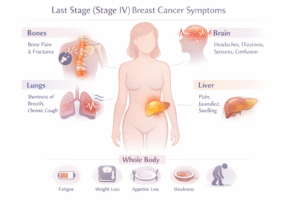
There are several common symptoms of triple-negative breast cancer which are similar to any type of breast cancer symptoms. Some of the symptoms are:
These are some common breast cancer symptoms that indicate the presence of a tumor inside the breast. Early diagnosis can still save many lives. Consult your doctor if you experience these symptoms.
Diagnosis is a process by which the doctor correctly identifies a disease and plans treatment accordingly. Nowadays many advanced technologies are developed which can help doctors to get a detailed view of the tumor and identify the stage and severity of the tumor.
There are several treatment options available for breast cancer. Apart from traditional methods of cancer treatment, there are multiple new technologies arriving every day. Innovative methods and new drugs are coming onto the market which makes the treatment more reliable and efficient. Some of the most common ways of cancer treatment are:
After getting the treatment it is likely that you will experience certain side effects, which involve nausea, vomiting, pain, hairlessness, fatigue, or mental fog which is associated with chemotherapy. These side effects can be managed exactly after recess. Although every patient may experience some different side effects it is always advised to consult your doctor before taking any medication. The 5-year survival rate of triple-negative breast cancer is around 90% for early-stage cancer.
This implies the stage in which cancer has not yet spread. If cancer spreads to surrounding lymph nodes or other tissue the survival rate decreases to 60%. If cancer has spread to other organs, it is difficult to treat cancer and hence the survival rate drops to 15%.
Therefore, it is advised to visit a doctor as soon as possible if you experience any symptoms and to avoid such misconceptions regarding the tumor.
.webp)
Get expert guidance instantly
Tell us about your condition and we will help you find the right care.
January 2, 2026

November 25, 2025

Get expert guidance instantly
Share a few details and our medical team gets back to you within 4 hours with the next steps.

Tell us what you are facing and our medical team will guide you to the right doctors, hospitals and treatment.
Free Review, No Commitment
Free assessment with no pressure to proceed.
Trusted by 100,000+ Patients
Across 125+ countries worldwide
500+ Top Partner Hospitals
Globally accredited medical facilities
5000+ Expert Specialists
Senior doctors across major specialties.
Making quality healthcare accessible to patients worldwide
Everything you need to know about choosing the right hospital, doctor and treatment plan.