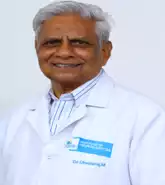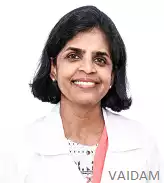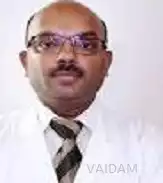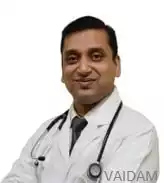
Best Myasthenia Gravis Treatment Doctors in India

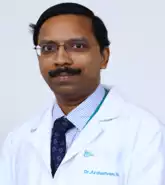
Dr. Jayanti Mani

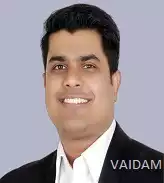
Dr Kapil Agarwal


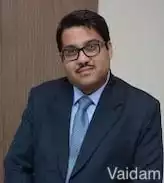
Dr. Mahesh Sambhare

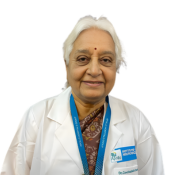
Dr. Moumita Bagchi

Dr. Girish Chandrasekharan Nair

Dr. Jayendra Yadav


Dr. Sitansu Sekhar Nandi


Dr. Ashok Singhal

Dr. Prashant Makhija


What Patients with Myasthenia Gravis Worry About Most
Myasthenia gravis (an autoimmune disease that causes muscle weakness which gets worse with use) is treatable but frightening. Patients ask whether breathing will fail (myasthenic crisis), how long steroids are needed, whether thymectomy will help, and whether the new complement inhibitors are worth the cost. Most patients reach minimal symptoms on the right regimen. The key is matching therapy to the antibody type and disease severity.
How Myasthenia Gravis Is Diagnosed
The neurologist looks for fatigable weakness, ptosis (drooping eyelid), diplopia (double vision), and bulbar symptoms. Acetylcholine receptor antibodies are positive in around eighty-five percent. Muscle-specific kinase antibodies are positive in around five to ten percent of seronegative cases. Lipoprotein-related protein four antibodies cover another small group. Repetitive nerve stimulation shows decremental response. Single-fibre electromyography is the most sensitive test. Computed tomography of the chest looks for thymoma in every newly diagnosed patient.
Treatment Options for Myasthenia Gravis in India
Symptomatic treatment uses pyridostigmine. Immunosuppression starts with corticosteroids plus a steroid-sparing agent (azathioprine, mycophenolate mofetil, methotrexate, cyclosporine, or tacrolimus). Thymectomy is recommended for thymoma and for acetylcholine receptor antibody positive generalised disease in patients under fifty to sixty-five. New targeted therapies include eculizumab and ravulizumab (complement inhibitors) for acetylcholine receptor antibody positive refractory cases, and efgartigimod and rozanolixizumab (neonatal Fc receptor blockers) for both acetylcholine receptor and muscle-specific kinase antibody positive disease. Acute crisis is treated with intravenous immunoglobulin or plasma exchange plus intensive care support. Centres at All India Institute of Medical Sciences, National Institute of Mental Health and Neurosciences, Fortis Memorial Research Institute, Medanta, Apollo, and BLK-Max run dedicated neuromuscular clinics with thymectomy programmes and biologics access.
Recovery, Success Rates, and Follow-Up
Around eighty percent of patients reach minimal manifestation or remission on optimised therapy. Thymectomy adds clinical benefit over corticosteroids alone over three to five years in acetylcholine receptor antibody positive generalised disease. Complement inhibitors and neonatal Fc receptor blockers give strong responses in refractory disease. Follow-up runs every three to six months with quantitative myasthenia gravis score, forced vital capacity, and antibody titres tracked.
How to Choose the Right Myasthenia Gravis Doctor
Pick a neurologist with neuromuscular expertise, in-house electromyography and single-fibre electromyography, links to a thoracic surgery thymectomy programme, and access to intravenous immunoglobulin, plasma exchange, and the newer biologics. Ask about crisis management protocols, vaccination policy, and pregnancy planning. A practice without thymectomy or biologics access is the wrong fit for refractory disease.
International Patient Support
Myasthenia gravis care in India, including thymectomy and biologics, costs significantly less than in Western countries with the same surgical and pharmaceutical quality. Cancer Rounds arranges the medical visa invitation letter, accommodation, multilingual support in eleven plus languages, and a single case manager from first enquiry to follow-up. Patients travel from Nigeria, Bangladesh, Kenya, Ethiopia, Iraq, Oman, and the United Arab Emirates for thymectomy and refractory myasthenia management.
Frequently Asked Questions
Is myasthenia gravis curable?
It is not cured but is well controlled in most patients. Around eighty percent reach minimal symptoms on optimised therapy. Some achieve drug-free remission, especially after thymectomy for thymomatous disease.
What is myasthenic crisis?
A severe worsening of weakness that affects breathing, requiring intensive care, intubation in some cases, and intravenous immunoglobulin or plasma exchange. Around fifteen to twenty percent of patients have a crisis at some point. Early recognition saves lives.
When is thymectomy recommended?
For all patients with thymoma. For non-thymomatous acetylcholine receptor antibody positive generalised disease in patients under fifty to sixty-five, thymectomy gives long-term benefit and reduces steroid dose. Robotic and video-assisted approaches make recovery faster.
How long do I need to take steroids?
Steroids are tapered slowly once a steroid-sparing agent takes effect, usually over twelve to twenty-four months. Some patients reach low maintenance doses or stop entirely. Sudden stops trigger relapse.
Are complement inhibitors and neonatal Fc receptor blockers worth it?
Yes for refractory cases. Eculizumab, ravulizumab, efgartigimod, and rozanolixizumab show strong responses in patients who failed traditional therapy. They are expensive but cost-effective in selected patients with significant disability.
Can I get pregnant with myasthenia gravis?
Yes. Pregnancy is planned with the neurologist and obstetrician. Some medications (mycophenolate, methotrexate) must be stopped well before conception. Around fifteen percent of babies have transient neonatal myasthenia from transferred antibodies, which resolves in weeks.