
Pediatric cancer treatment in Germany combines standardized GPOH protocols, multifaceted pediatric oncology care, and advanced therapies, including precision medicine, proton therapy, and stem cell transplantation. Germany reports childhood cancer survival rates exceeding 85% and offers specialized care through dedicated pediatric oncology centers. Treatment costs for international patients generally start from €10,000, with hospitals providing support for medical evaluation, visa assistance, accommodation, and follow-up care.
Reply in 4 hours · Plan and quote in 2 days · 100% confidential
Pediatric cancer, also known as childhood cancer or cancer in children, refers to a group of cancers that develop in infants, children, and adolescents. Unlike most adult cancers, which are often associated with lifestyle or environmental factors, pediatric cancers usually arise from changes in developing cells and are generally not preventable.
Childhood cancer is relatively uncommon; it remains one of the leading causes of disease-related deaths among children worldwide. According to the World Health Organization (WHO), an estimated 400,000 children and adolescents aged 0–19 years are diagnosed with cancer each year worldwide.
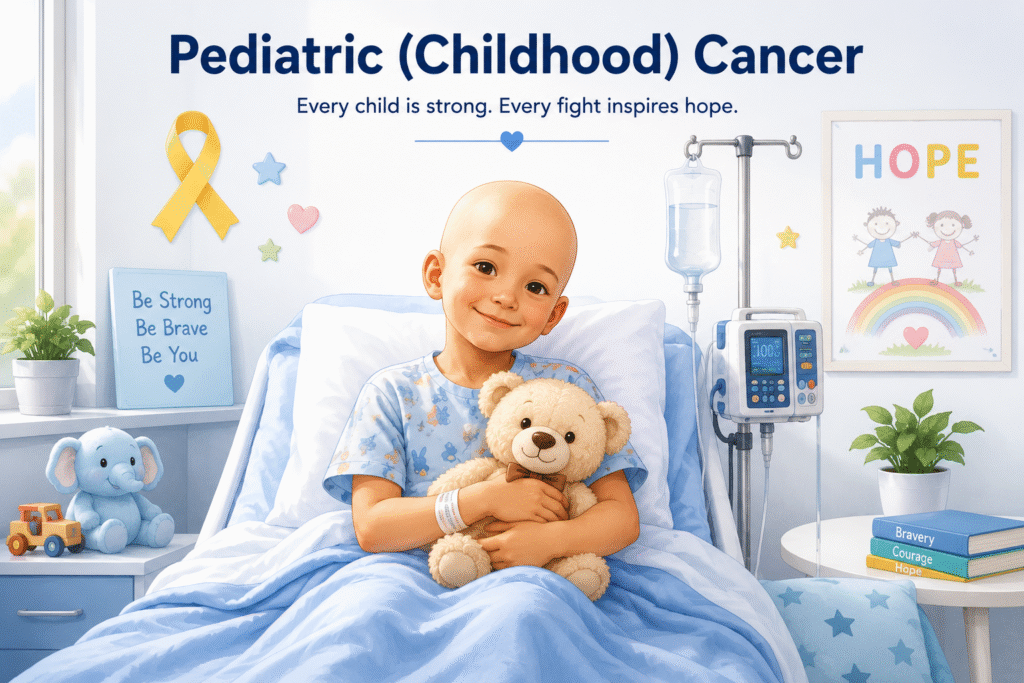
Leukemia is the most frequently diagnosed, with Acute Lymphoblastic Leukemia (ALL) being the most common subtype. Other cancers include brain and central nervous system tumors, lymphomas, neuroblastoma, etc.
Advances in childhood cancer treatment have significantly improved survival over the past few decades. Today, many children can achieve long-term remission or be cured through a combination of chemotherapy, surgery, radiation therapy, immunotherapy, targeted therapies, and bone marrow transplant. In Germany, pediatric cancer treatment is delivered through specialized pediatric oncology centers that adhere to standardized national treatment protocols developed by the German Society for Pediatric Oncology and Hematology (GPOH). Providing multidisciplinary care tailored to each child’s diagnosis and age.
The most common types of pediatric cancers include:
The choice of treatment depends on the type of cancer, its stage, the child’s age, and well-being. For example, a child with early-stage Wilms tumor may be treated with surgery followed by chemotherapy, while a child with high-risk neuroblastoma may require a combination of chemotherapy, surgery, radiation therapy, stem cell transplantation, and immunotherapy.
Germany is a preferred destination for pediatric cancer treatment because of its high treatment success rates, standardized care delivered through the German Society for Paediatric Oncology and Haematology (GPOH) protocols, interdisciplinary pediatric oncology teams, and strong commitment to research and innovation. Leading institutions, including the German Cancer Research Center (DKFZ), support precision medicine initiatives such as the INFORM Registry, which uses molecular profiling to identify care options for children with high-risk or relapsed cancers.
In addition to all this, many pediatric oncology centers participate in national and international clinical trials, providing eligible patients with access to emerging therapies while advancing childhood cancer research. These strengths enable children to receive individualized, evidence-based care tailored to their diagnosis, age, and overall health.
Some of the key reasons families choose pediatric cancer treatment in Germany include:
Treatment of children with cancer in Germany is conducted in an organized and integrated manner, starting from initial medical assessment up to diagnosis, treatment, and follow-up.
Health risks associated with cancer are unique to the age at treatment and specific therapeutic modality; follow-up evaluations and health screening are individualized on the basis of treatment history.
For foreign patients, the typical treatment process consists of the following stages:
| Treatment Step | What Happens? |
| Step 1: Remote Request and Medical Evaluation | • Submit the child’s medical records, pathology reports, and imaging scans. • Pediatric oncologists review the case and may recommend additional tests. • A preliminary treatment plan, estimated duration, and cost are shared. |
| Step 2: On-Site Diagnostics and Staging | • Confirm the diagnosis and determine the cancer stage and risk category. • Perform blood tests, imaging, biopsy, bone marrow examination, and genetic or molecular testing as needed. • Results guide the personalized treatment plan. |
| Step 3: Multidisciplinary Treatment Planning and Therapy | • The case is reviewed by a specialist-led tumor board. • Specialists develop an individualized treatment plan following GPOH protocols. • Include chemotherapy, surgery, radiation therapy, targeted therapy, immunotherapy, proton therapy, or stem cell transplantation (varying from case to case). |
| Step 4: Recovery and Long-Term Follow-Up | • Monitor recovery and treatment response through regular follow-up visits. • Provide rehabilitation, nutritional, psychological, and educational support when needed. • Continue long-term surveillance to detect recurrence and manage late treatment effects. |
Germany continues to invest in research-driven innovations that improve diagnosis, planning, and precision medicine. These advances combine genomics, artificial intelligence, advanced imaging, and computational technologies to support more accurate and individualized cancer care.
Precision Genomics and Cancer Registries
Artificial Intelligence for Clinical Decision Support
Advanced Medical Imaging and Digital Diagnostics
High-Performance Computing and Data-Driven Oncology
Next-Generation Cancer Research and Emerging Therapies
The cost of pediatric cancer treatment in Germany depends on the type of cancer, the treatment protocol, the child’s medical condition, the hospital, and the therapies required, such as chemotherapy, surgery, radiation therapy, immunotherapy, or bone marrow transplantation. Treatment is available at specialized pediatric oncology centers in cities including Heidelberg, Berlin, Munich, Hamburg, Cologne, Frankfurt, and Dresden, where dedicated international patient departments assist with all the services needed.
Compared with private healthcare costs in other countries. Germany’s healthcare system is internationally recognized for providing high-quality specialist care and also begin more cost effective. Through university hospitals and cancer centers, pediatric cancer care is delivered according to clinical protocols and much more.
For international patients, the estimated cost of pediatric cancer treatment generally ranges from $58,600 to $215,600 (€54,000 to €200,000), depending on the diagnosis, treatment complexity, and duration of care.
To give a general cost estimate for reference:
| Pediatric Cancer Type | Estimated Self-Pay Treatment Cost |
| Leukemia | $25,000–$220,000+ (€23,000–€203,000+) |
| Neuroblastoma | $90,000–$220,000+ (€83,000–€203,000+) |
| Lymphoma | $58,600–$215,600 (€54,000–€200,000) |
| Wilms Tumor (Nephroblastoma) | Highly Individualized treatment cost* |
| Sarcoma | $58,600–$170,000 (€54,000–€157,000) |
| Retinoblastoma | $58,600–$215,600 (€54,000–€200,000) |
| Procedure | Estimated Self-Pay Cost |
| Initial Consultation & Diagnostic Evaluation (laboratory tests, imaging, biopsy, pathology) | $2,500–$5,000 (€2,200–€4,500) |
| Chemotherapy | $10,000–$50,000 (€9,000–€45,000) |
| Pediatric Cancer Surgery | $15,000–$35,000 (€13,500–€31,500) |
| Radiation Therapy | $8,000–$30,000 (€7,200–€27,000) |
| Proton Therapy | $25,000–$70,000+ (€22,500–€63,000+) |
| Targeted Therapy / Immunotherapy* | $20,000–$80,000+ (€18,000–€72,000+) |
| Bone Marrow Transplant (if required) | $150,000–$330,000 (€135,000–€297,000) |
| Estimated Overall Treatment Cost | $20,000–$250,000+ (€18,000–€225,000+), depending on the diagnosis and treatment plan |
* Targeted therapy and immunotherapy are recommended only for selected pediatric cancers and may not be required for every child.
International patients seeking pediatric cancer treatment in Germany are generally treated on a self-pay (private-pay) basis unless their treatment costs are covered by private international health insurance, government-sponsored healthcare agreements, or an approved medical funding program. Coverage varies depending on the insurance provider and policy terms.
Before traveling to Germany, parents should:
Many German hospitals have dedicated international patient offices that assist families with treatment estimates, payment procedures, medical documentation, visa support, and communication with insurance providers before admission.
Point to Note: If insurance does not cover treatment in Germany, families can usually proceed as self-paying patients, with costs paid directly to the hospital according to the agreed treatment plan.
In addition to medical treatment, families should budget for expenses which are not included in the cost estimate such as:
Germany is home to several renowned university hospitals with dedicated pediatric oncology and hematology departments that provide specialized care for children with both common and rare cancers. Located in major medical hubs such as Berlin, Heidelberg, Munich, Dresden, and Frankfurt, these hospitals offer modern procedures (surgery, chemotherapy, radiation, etc.). Many also provide dedicated international patient services to assist families throughout their treatment journey.
| Hospital | City | Pediatric Oncology Expertise |
| Charité – Universitätsmedizin Berlin | Berlin | Pediatric hematology and oncology, leukemia, brain tumors, stem cell transplantation, precision medicine, and clinical research. |
| Heidelberg University Hospital | Heidelberg | Childhood solid tumors, brain tumors, proton therapy, pediatric immuno-oncology, molecular diagnostics, and precision medicine. |
| University Medical Center Hamburg-Eppendorf (UKE) | Hamburg | Pediatric hematology and oncology, leukemia, lymphoma, bone marrow transplantation, immunotherapy, and long-term survivorship care. |
| University Hospital Carl Gustav Carus Dresden | Dresden | Comprehensive pediatric oncology, leukemia and lymphoma treatment, multidisciplinary pediatric cancer care, and long-term survivorship programs. |
| University Hospital Frankfurt am Main | Frankfurt | Pediatric hematology and oncology, bone marrow transplantation, childhood leukemia and lymphoma treatment, solid tumors, and palliative support. |
Note for Families Traveling from Abroad: Most hospitals can review medical records remotely and provide a preliminary medical opinion and cost estimate before travel.
But before choosing a hospital, parents should:
Recovery from pediatric cancer is a gradual process and continues even after active treatment ends. In Germany, follow-up care focuses on helping children regain their physical, emotional, and social well-being while monitoring for any long-term effects of treatment. International families also receive guidance to support a smooth transition back to their home country.
Rehabilitation and Recovery
Returning Home and Long-Term Follow-Up
Support for International Families
At CancerRounds, we help patients and their families make informed healthcare decisions by providing reliable, evidence-based information on cancer treatments, leading hospitals, and medical travel options. Our goal is to support you with trusted guidance at every step of your treatment journey.
Yes. Many specialized pediatric oncology centers in Germany accept international patients and provide support with medical evaluations, treatment planning, visa documentation, interpreter services, and care coordination throughout the treatment journey.
Germany has achieved overall survival rates exceeding 85% for childhood cancers through standardized treatment protocols, multidisciplinary care, and continuous research. However, outcomes vary depending on the type of cancer, its stage, and the child’s response to treatment.
German pediatric oncology centers treat a wide range of childhood cancers, including leukemia, brain and central nervous system tumors, lymphoma, neuroblastoma, Wilms tumor, sarcomas, retinoblastoma, and other rare pediatric cancers.
The estimated self-pay cost generally ranges from €10,000 to €250,000+, depending on the child’s diagnosis, treatment plan, hospital, duration of treatment, and whether advanced therapies such as proton therapy or bone marrow transplantation are required.
The duration of treatment depends on the type of childhood cancer and the recommended treatment protocol. Some cancers require treatment for several months, while others, such as certain leukemias, may require treatment over a longer period. The treating team provides an individualized treatment timeline after the initial evaluation.
Some international health insurance plans may cover part or all of the treatment costs, depending on the policy and prior authorization requirements. Families should confirm their coverage with their insurer before traveling.
Yes. Proton therapy is available at selected specialized centers in Germany and may be recommended for certain pediatric cancers, particularly when minimizing radiation exposure to healthy developing tissues is an important consideration.
Yes. For children with high-risk or relapsed cancers, specialized centers in Germany may offer access to precision medicine programs, molecular diagnostics, and other innovative treatment approaches. The suitability of these options depends on the child’s individual condition and clinical evaluation.
Parents should typically prepare the child’s medical records, pathology reports, imaging scans, laboratory results, referral letters, passport, visa documents, and health insurance details (if applicable). The treating hospital’s international patient office can guide families on the required documentation.
Yes. Many children gradually return to school and their normal daily activities after treatment, depending on their recovery and the advice of their healthcare team. Long-term follow-up and rehabilitation programs help support physical, emotional, and educational reintegration.
Sources:
Published By
.webp)
Global Patient Care, Redefined
The CancerRounds Medical Content Team specialises in creating accurate, clear and patient-focused healthcare content. Our content is written by medically trained writers, medically reviewed, and based on reputable medical sources to support informed healthcare decisions.
Get expert guidance instantly
Share a few details and our medical team gets back to you within 4 hours with the next steps.

Tell us what you are facing and our medical team will guide you to the right doctors, hospitals and treatment.
Free Review, No Commitment
Free assessment with no pressure to proceed.
Trusted by 100,000+ Patients
Across 125+ countries worldwide
500+ Top Partner Hospitals
Globally accredited medical facilities
5000+ Expert Specialists
Senior doctors across major specialties.
Making quality healthcare accessible to patients worldwide
Everything you need to know about choosing the right hospital, doctor and treatment plan.