What is CAR T-cell therapy, and how does it work?
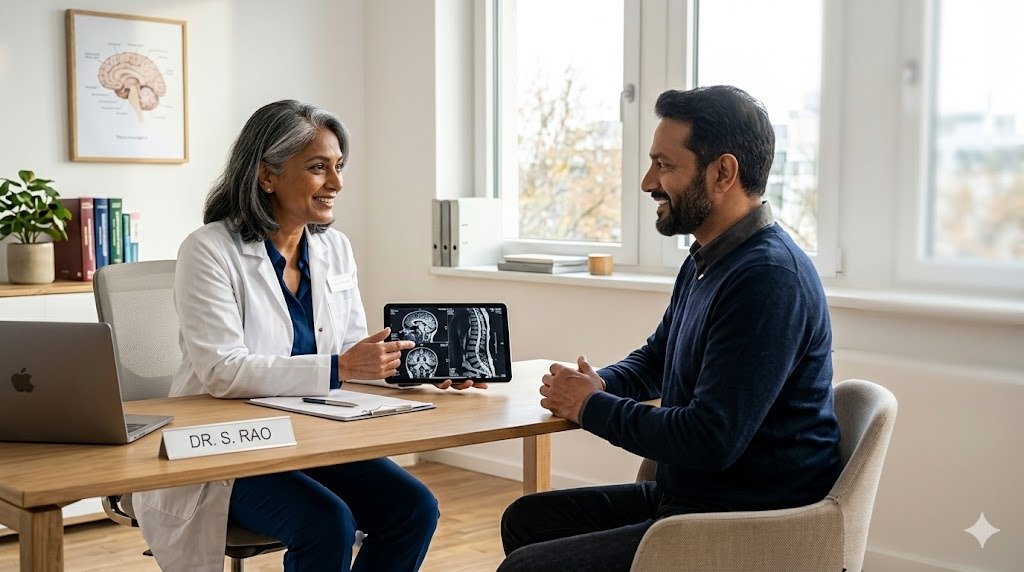
CAR T-cell therapy is an advanced immunotherapy where a patient’s T cells are collected, genetically modified in a lab to recognise and attack specific cancer cells, and then infused back into the patient. This treatment is particularly effective for certain blood cancers like leukaemia and lymphoma, especially when other treatments have failed. Choosing the best CAR T-cell therapy doctor in Delhi NCR—particularly those associated with premier institutions like AIIMS Delhi, Apollo Hospitals, or BLK-Max Super Speciality Hospital—ensures access to advanced, well-coordinated, and safe CAR T-cell treatment from some of India’s most trusted cancer centres.
Which hospitals in Delhi NCR offer CAR T-cell therapy?
Several leading hospitals in Delhi and the NCR region offer CAR T-cell therapy, supported by some of the best CAR-T cell therapy doctors in Delh including:
- Max Super Speciality Hospital, Patparganj and Saket
- BLK-Max Super Speciality Hospital
- Indraprastha Apollo Hospital
- Artemis Hospital (Gurgaon)
- Fortis Memorial Research Institute (FMRI), Gurugram.
These hospitals are equipped with state-of-the-art facilities and a team of renowned oncologists and hematologists, ensuring patients receive the highest standard of care from the Top CAR-T cell therapy doctors in Delhi NCR.
Who is eligible for CAR T-cell therapy?
Patients with relapsed or refractory blood cancers such as B-cell acute lymphoblastic leukemia and certain types of lymphoma are considered for CAR T-cell therapy, especially if standard treatments have not worked. Eligibility is determined by the treating oncologist based on the patient’s medical history and current health status.
What is the treatment process and how long does it take?
The process involves several steps:
- Cell collection: T cells are collected from the patient’s blood (takes about 3–4 hours).
- Genetic modification and expansion: The cells are modified and multiplied in a lab (2–3 weeks).
- Pre-infusion chemotherapy: Patients receive chemotherapy for 2–5 days to prepare their body.
- Infusion: Modified T cells are infused back (30–60 minutes).
- Monitoring: Patients are closely monitored in the hospital for 1–2 weeks for side effects.
What are the common side effects?
- Cytokine Release Syndrome (CRS): Symptoms like fever, low blood pressure, and difficulty breathing.
- Neurotoxicity: Confusion, headaches, or seizures.
- Infections: Due to a weakened immune system.
- Low blood counts: Leading to fatigue or increased infection risk.
Managing these side effects requires expert care and close attention. That’s why it’s so important to be under the guidance of the best CAR-T cell therapy doctors in Delhi—specialists who not only understand the complexities of treatment but are also deeply committed to your safety, comfort, and recovery. Choosing the right medical team can make all the difference in your CAR T-cell therapy journey.
What precautions should patients take after therapy?
- Maintain strict hygiene and avoid crowded places to reduce infection risk.
- Report symptoms like fever, confusion, or breathing difficulties immediately.
- Follow a balanced diet and avoid strenuous activities.
- Consult your doctor before taking any vaccines.
- Attend all scheduled follow-up appointments for ongoing monitoring.
For the best care and recovery guidance, Consult with one of the best CAR-T cell therapy specialists in Delhi NCR, who can provide expert monitoring and long-term support.
How can I find the best CAR-T cell therapy doctors in Delhi?
To explore this advanced treatment, it’s essential to consult with the best CAR-T cell therapy doctors in Delhi, who have experience in immunotherapy and access to approved CAR T-cell treatment programs. These specialists can guide you through eligibility, treatment plans, and potential outcomes.